Tragedy in Louisiana: Unpacking the Deadliest US Mass Shooting Involving Children in Years
A horrific mass shooting in Louisiana has left eight children dead, including seven of the perpetrator's own, and two women critically injured. The incident, identified as one of the deadliest involving children in recent US history, has sent shockwaves across the nation, reigniting urgent conversations about domestic violence, mental health, and gun control. Authorities have identified the suspect as Shamar Elkins, whose actions have plunged multiple families and communities into unimaginable grief.
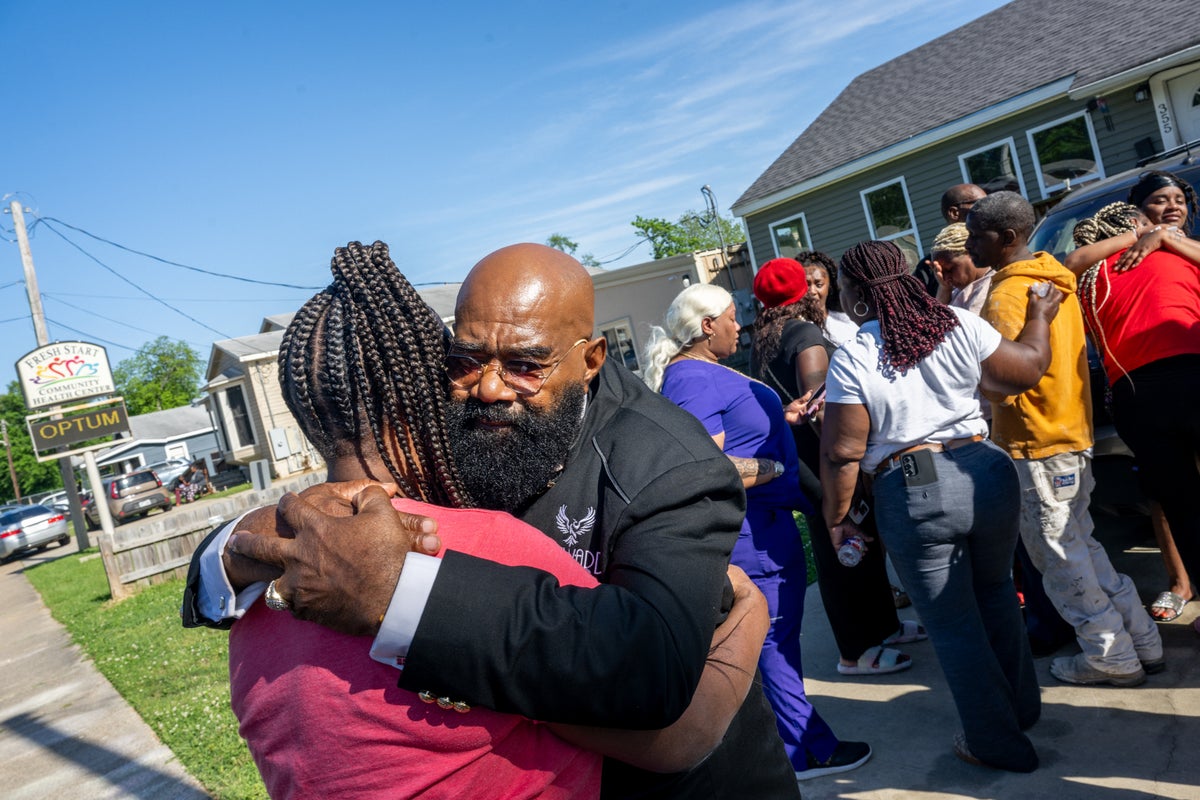
In a nation all too familiar with the specter of gun violence, a recent tragedy in Louisiana has etched itself into the collective consciousness with a particularly chilling and heart-wrenching detail: the victims were predominantly children, seven of whom were the gunman's own. On a somber Sunday, the lives of eight innocent children were brutally cut short, and two women were left fighting for their lives, in an act of violence that has been described by law enforcement as one of the deadliest mass shootings involving minors in recent US history. The alleged perpetrator, identified as 31-year-old Shamar Elkins, has been linked to this unspeakable crime, sending ripples of grief, disbelief, and urgent questions across communities and the nation at large.
The incident unfolded with a horrifying precision, beginning with a shooting involving a woman at one location before culminating in the massacre of eight children at a second residence. This pattern of violence, often escalating from domestic disputes, underscores a deeply troubling aspect of gun violence statistics: a significant portion of mass shootings are rooted in domestic or family-related conflicts. The sheer scale of this particular event, however, with the deliberate targeting of multiple children, including one's own offspring, pushes it into a realm of profound psychological and societal horror that demands thorough examination.
The Anatomy of a Tragedy: A Timeline of Terror
While specific details regarding the exact sequence of events and the motivations behind Shamar Elkins' alleged actions are still under investigation, preliminary reports paint a grim picture. Police confirmed that the rampage began when Elkins allegedly shot a woman at an initial location. The violence then escalated dramatically as he proceeded to a second residence, where he is accused of killing eight children. The victims' ages have not been fully released, but the fact that seven were his own children speaks to a devastating breakdown of familial bonds and a profound personal crisis that turned deadly. The two women critically wounded are believed to have been involved in relationships with Elkins or were close to the children, highlighting the interconnectedness of the victims and the widespread impact of such an act.
Law enforcement agencies, including local police and state authorities, swiftly responded to the unfolding crisis. Their immediate priority was to secure the scenes, provide aid to the wounded, and apprehend the suspect. The identification of Shamar Elkins as the alleged gunman allowed for a focused manhunt, which ultimately led to his capture. The process of piecing together the events leading up to the shootings, including any prior history of domestic disputes, mental health issues, or access to firearms, will be crucial in understanding the full scope of this tragedy. This incident serves as a stark reminder of the rapid and devastating consequences when individuals with violent intent gain access to weapons and act on their impulses, often with little warning to those around them.
The Broader Context: Domestic Violence and Mass Shootings
This horrific event in Louisiana is not an isolated incident but rather a chilling manifestation of a persistent and often overlooked pattern: the strong correlation between domestic violence and mass shootings. Research consistently shows that a significant percentage of mass shootings in the United States involve perpetrators with a history of domestic abuse or who target family members. According to data compiled by organizations like Everytown for Gun Safety, over half of all mass shootings between 2009 and 2020 were related to domestic violence. In these cases, 70% of the child victims were killed by a parent or stepparent.
This statistic is particularly salient in the context of the Louisiana tragedy, where seven of the eight child victims were the alleged shooter's own. Such incidents expose the vulnerabilities of children within violent households and the catastrophic potential when domestic disputes escalate to gun violence. The presence of firearms in homes where domestic violence is a factor dramatically increases the risk of homicide for women and children. This underscores the urgent need for comprehensive approaches that address both gun violence prevention and the systemic issues of domestic abuse, including robust intervention programs, access to mental health services, and stricter enforcement of laws designed to disarm domestic abusers.
Mental Health, Gun Control, and Societal Responsibility
The immediate aftermath of such a tragedy inevitably sparks renewed debates on mental health and gun control. While it is crucial to avoid stigmatizing individuals with mental illness, it is equally important to acknowledge that severe, untreated mental health crises can sometimes contribute to violent behavior. However, the vast majority of people with mental illness are not violent, and focusing solely on mental health often deflects from the broader issue of easy access to firearms, particularly high-powered weapons.
From a gun control perspective, this incident highlights the ongoing challenges in preventing individuals who pose a clear danger to themselves or others from acquiring weapons. Questions will undoubtedly arise regarding how Elkins obtained his firearm(s) and whether any existing red flags or legal restrictions were overlooked or circumvented. States with robust red flag laws, which allow temporary removal of firearms from individuals deemed a danger, have shown some success in preventing suicides and mass violence. However, the patchwork nature of gun laws across the US means that such protections are not universally applied, creating loopholes that can be exploited.
Ultimately, addressing tragedies like the one in Louisiana requires a multi-faceted approach. It involves strengthening mental health support systems, ensuring that individuals in crisis receive timely and effective care, while simultaneously implementing common-sense gun safety measures. It also demands a societal commitment to recognizing and intervening in domestic violence situations before they escalate to such catastrophic levels. This includes empowering victims, providing safe havens, and holding perpetrators accountable.
A Community in Mourning and the Path Forward
The communities affected by this senseless act are now grappling with an unimaginable loss. The families of the eight children and the two critically injured women face a long and arduous journey of grief and recovery. Support systems, both formal and informal, will be vital in helping them navigate this profound trauma. The emotional scars left by such an event will undoubtedly run deep, affecting not only the immediate families but also first responders, school communities, and the broader public.
As the investigations continue and the legal process unfolds, it is imperative that the focus remains on preventing future tragedies. This means moving beyond political rhetoric and engaging in constructive dialogue about effective solutions. It requires a commitment from policymakers to enact meaningful legislation, from community leaders to foster environments of safety and support, and from every individual to remain vigilant against the signs of violence, whether domestic or otherwise. The memory of the eight young lives lost in Louisiana must serve as a powerful impetus for change, compelling us to build a society where children are safe, families are protected, and the cycle of violence is finally broken. Only through collective action and unwavering resolve can we hope to honor their memory and prevent such horrors from recurring.
Stay Informed
Get the world's most important stories delivered to your inbox.
No spam, unsubscribe anytime.
Comments
No comments yet. Be the first to share your thoughts!