Turbulence Ahead: How Middle East Tensions Are Fueling Airfare Hikes and Global Economic Jitters
The escalating conflict in the Middle East, particularly concerns surrounding the Strait of Hormuz and the broader Iran war situation, is driving a significant surge in global oil prices. This surge is directly impacting jet fuel costs, prompting airlines like British Airways to warn of impending airfare increases. Beyond the immediate travel sector, these geopolitical tensions threaten to ripple through the global economy, potentially triggering inflationary pressures and supply chain disruptions.
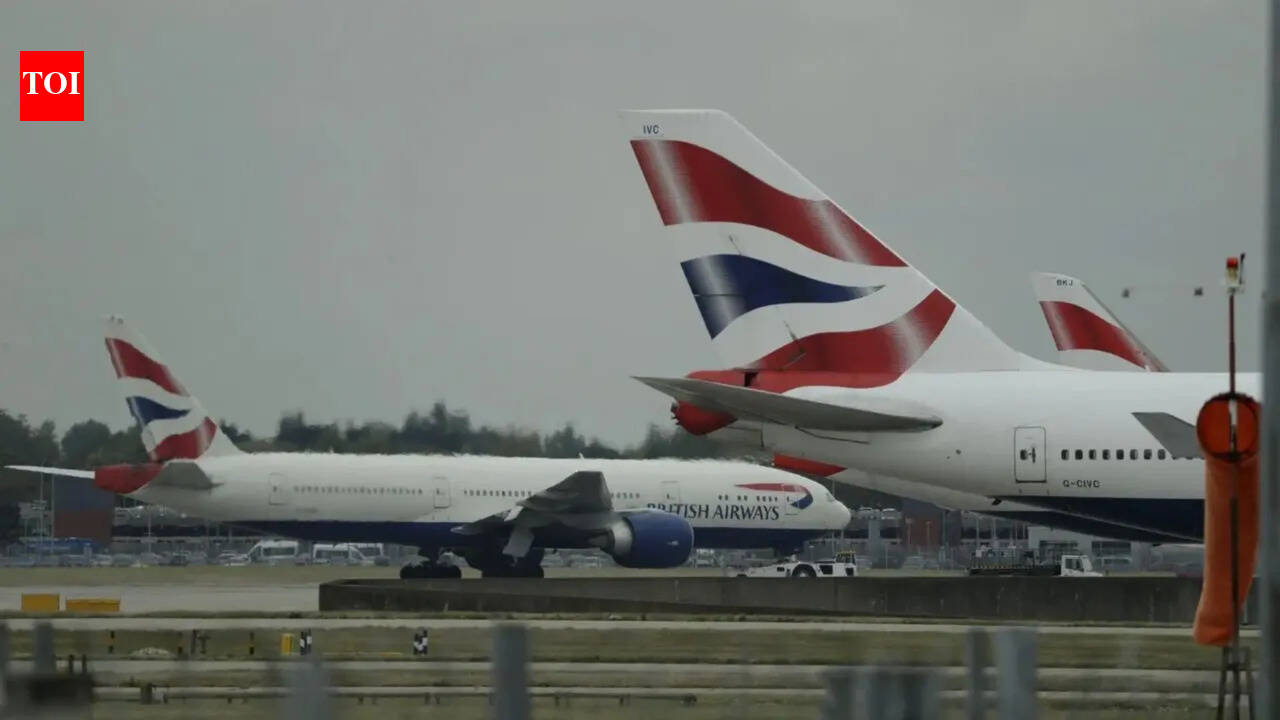
The skies above us, once a symbol of boundless travel and interconnectedness, are now reflecting the turbulent geopolitical landscape below. A simmering conflict in the Middle East, exacerbated by the wider Iran war situation, has ignited a sharp rise in global oil prices. This volatility, centered around critical chokepoints like the Strait of Hormuz, is directly translating into higher jet fuel costs, compelling major carriers such as British Airways to issue stark warnings of impending airfare hikes. This isn't merely a temporary inconvenience for holidaymakers; it's a significant economic tremor with the potential to reshape global travel, trade, and inflation dynamics.
The Geopolitical Crucible: Strait of Hormuz and Global Oil Markets
The Strait of Hormuz, a narrow maritime passage between the Persian Gulf and the Gulf of Oman, is arguably the world's most critical oil transit chokepoint. An estimated 20% of the world's total petroleum liquids consumption and roughly one-third of the world's liquefied natural gas (LNG) passes through this strait daily. Its strategic importance cannot be overstated. Any perceived threat to its navigability, whether from direct military action, naval blockades, or even heightened tensions, sends immediate shockwaves through global energy markets.
Recent escalations in the Middle East, including drone attacks, missile strikes, and naval incidents, have amplified these concerns. The market's reaction is swift and predictable: fear of supply disruption drives up crude oil prices. For airlines, whose operational costs are heavily weighted towards fuel – often accounting for 25-30% of total expenses – this translates directly into increased financial pressure. Unlike other industries that can absorb minor fluctuations, the sheer volume of fuel consumed by the aviation sector makes it acutely sensitive to price spikes.
Historical Precedents: Lessons from Past Crises
History offers a sobering reminder of how Middle East conflicts can impact global energy. The 1973 Oil Crisis, triggered by the Yom Kippur War, saw OPEC impose an oil embargo, leading to a quadrupling of oil prices and a global recession. Similarly, the 1990-1991 Gulf War also caused significant oil price volatility, albeit with a quicker recovery due to strategic oil reserves and coordinated international efforts. While the current situation is distinct, these historical events underscore the fragility of global energy supply chains when geopolitical stability in the Middle East is compromised.
Today, the world's reliance on Middle Eastern oil, though diversified by new producers like the U.S. shale industry, remains substantial. Any prolonged disruption or escalation could easily push Brent crude prices well beyond their current levels, potentially breaching the $100 per barrel mark and sustaining it, a scenario that would have profound implications for consumers and businesses worldwide.
The Ripple Effect: From Jet Fuel to Consumer Wallets
British Airways' warning is a canary in the coal mine. As jet fuel costs rise, airlines face a difficult choice: absorb the costs and erode profit margins, or pass them on to consumers through higher ticket prices and surcharges. Given the competitive nature of the airline industry and the imperative for profitability, the latter is often unavoidable. This means:
* Increased Airfares: Travelers can expect to pay more for both domestic and international flights. This could impact leisure travel, business trips, and even essential family visits. * Reduced Capacity: Some airlines might reduce flight frequencies or routes to optimize fuel consumption and manage costs, leading to fewer options and potentially higher demand for remaining seats. * Impact on Tourism: Higher travel costs could deter tourists, affecting economies heavily reliant on the tourism sector. * Inflationary Pressures: Beyond travel, rising oil prices cascade through the entire economy. Transportation costs for goods increase, impacting supply chains and ultimately leading to higher prices for a wide range of consumer products. This fuels broader inflation, eroding purchasing power.
The UK Government's Stance and Economic Outlook
The UK government is reportedly monitoring the situation closely, acknowledging the potential economic fallout. While direct intervention in oil markets is complex and often ineffective, measures such as fuel duty adjustments or support for affected industries might be considered if the crisis deepens. However, the primary focus remains on diplomatic efforts to de-escalate tensions in the Middle East.
Economists are increasingly concerned about the stagflationary risk – a combination of high inflation and stagnant economic growth. If energy prices remain elevated, central banks might face renewed pressure to maintain higher interest rates to combat inflation, potentially stifling economic recovery. The Bank of England, like other central banks, is walking a tightrope, balancing inflation control with supporting economic activity.
Beyond the Horizon: Navigating an Uncertain Future
The current situation underscores the interconnectedness of global affairs. A conflict thousands of miles away can directly influence the cost of a flight from London to New York or the price of groceries in Manchester. For consumers, the advice is to book flights strategically and be prepared for potential price adjustments. For businesses, diversifying supply chains and exploring energy efficiency measures become even more critical.
In the long term, the crisis highlights the urgent need for a more sustainable and diversified energy future. While renewable energy sources are growing, the transition is not yet complete, leaving the global economy vulnerable to fossil fuel price shocks. Investments in green technologies and energy independence are not just environmental imperatives but also crucial components of economic resilience.
The coming months will be critical. The trajectory of oil prices, and consequently airfares and broader economic stability, hinges precariously on the evolving geopolitical situation in the Middle East. As PulseWorld continues to monitor these developments, one thing is clear: the journey ahead for the global economy and the travel industry will likely be marked by significant turbulence, requiring careful navigation and adaptive strategies from governments, businesses, and individuals alike. The era of cheap, predictable travel may be facing its most significant challenge yet, forcing a reevaluation of how we move, trade, and live in an increasingly volatile world.
Stay Informed
Get the world's most important stories delivered to your inbox.
No spam, unsubscribe anytime.
Comments
No comments yet. Be the first to share your thoughts!