Uncovering the Real Luigi: The Unseen History Behind Super Mario's Iconic Brother
A groundbreaking discovery by MyHeritage researcher Elisabeth Zetland reveals the surprising true origins of Super Mario's brother, Luigi. While the fictional plumber's brother was thought to be a Nintendo invention, it turns out a real Luigi, the father of the man who inspired Mario, immigrated to the US from Italy. This revelation adds a fascinating layer to the beloved video game franchise's history, connecting its digital world to a rich, real-life family saga.
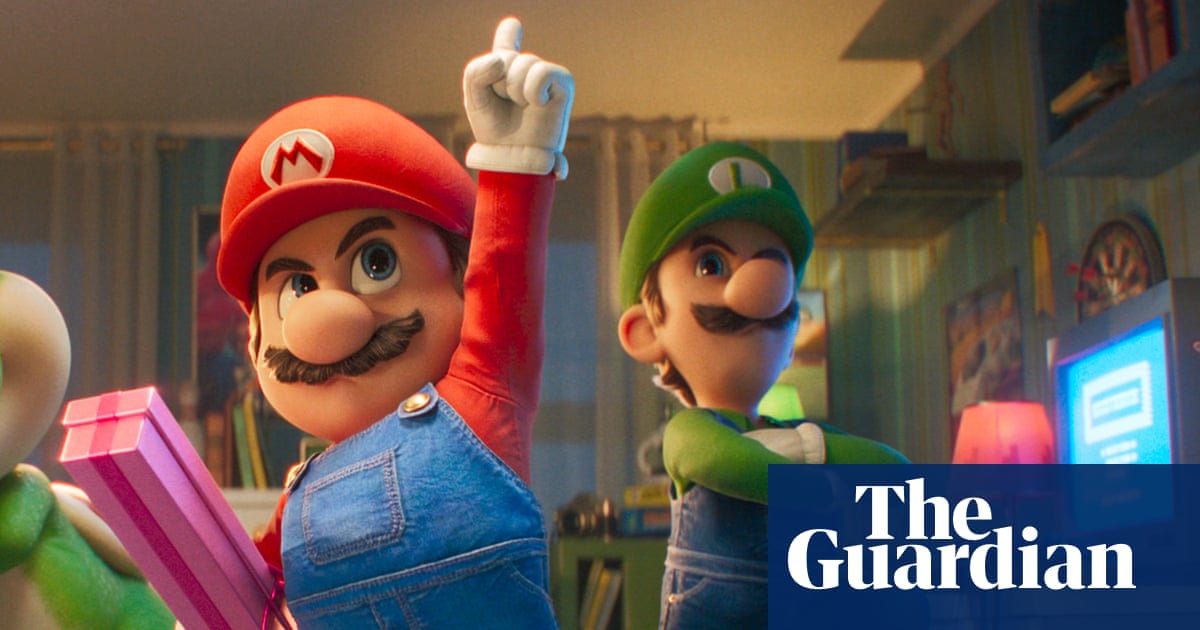
For decades, the world has known Mario, Nintendo's iconic mustachioed plumber, and his equally famous brother, Luigi. Their adventures, from rescuing princesses to battling Bowser, have captivated generations. Yet, while the inspiration for Mario himself—Washington state businessman Mario Segale—has been widely documented, the origins of his green-clad sibling have remained shrouded in mystery, largely assumed to be a pure product of Nintendo's creative genius. Until now. A remarkable piece of genealogical detective work has unearthed a stunning truth: a real-life Luigi, the father of the very man who inspired Mario, did exist, and he too immigrated to the United States from Italy.
This revelation, brought to light by Elisabeth Zetland, a senior researcher at MyHeritage, fundamentally recontextualizes one of gaming's most enduring duos. It peels back the layers of fiction to expose a poignant human story, intertwining the digital realm with the very real immigrant experience. The actual Mario Segale, unlike his video game counterpart, did not have a brother named Luigi. However, his father, who shared the name Luigi, journeyed from Italy to the United States, laying the groundwork for a family history that would, decades later, inadvertently influence one of the most successful entertainment franchises of all time. This discovery not only enriches the lore of Super Mario but also highlights the subtle, often overlooked ways in which real lives can inspire cultural phenomena.
The Genesis of an Icon: Mario's Real-Life Counterpart
The story of Mario Segale is well-trodden ground for gaming enthusiasts. In the early 1980s, Nintendo of America was struggling with the localization of its arcade game Donkey Kong. The game's protagonist, originally named Jumpman, was proving difficult to market. During a heated negotiation over overdue rent for Nintendo's warehouse in Seattle, the then-president of Nintendo of America, Minoru Arakawa, was confronted by his landlord, Mario Segale. To appease Segale and perhaps as an inside joke, Arakawa decided to rename Jumpman after him. The rest, as they say, is history. Mario became a global sensation, and his name, once a mere placeholder, became synonymous with video game excellence.
What was less known, and indeed, what Zetland's research now illuminates, is the deeper family history of the Segale clan. While Mario Segale himself was a successful real estate developer, his roots, like those of many Italian-Americans, stretched back across the Atlantic. The narrative of an immigrant family building a new life in America is a powerful one, and it is within this narrative that the true Luigi emerges. This isn't just about a name; it's about the lineage, the heritage, and the journey that inadvertently provided a foundational element for a character that would resonate with billions.
Elisabeth Zetland's Genealogical Breakthrough
Elisabeth Zetland's work at MyHeritage, a leading global platform for discovering family history, is a testament to the power of meticulous genealogical research. Utilizing a vast array of historical records, including immigration documents, census data, and birth certificates, Zetland pieced together the Segale family tree. Her investigation wasn't specifically aimed at debunking Mario lore; rather, it was part of broader research into prominent figures and their familial backgrounds. The discovery of Luigi Segale, Mario Segale's father, was an unexpected and delightful byproduct of this deep dive.
Zetland's methodology involved cross-referencing public records with private family trees and historical databases. The key to her breakthrough lay in identifying the correct Mario Segale and then meticulously tracing his paternal line back to Italy. It was through this process that Luigi Segale's name repeatedly appeared as the patriarch. The fact that the fictional Mario had a brother named Luigi, and the real Mario had a father named Luigi who shared the same immigrant journey, is a coincidence of epic proportions, almost too perfect for fiction. This kind of serendipitous discovery underscores the rich tapestry of human history that often lies hidden just beneath the surface of popular culture.
The Immigrant Experience and Cultural Impact
The story of Luigi Segale is, in many ways, the quintessential American immigrant story. Millions of Italians, like Luigi, left their homeland in the late 19th and early 20th centuries, seeking new opportunities and a better life in the United States. They brought with them their culture, their traditions, and their names, enriching the fabric of American society. The name Luigi, derived from the Germanic Hludwig (famous warrior), is a common and cherished name in Italy, carrying centuries of history and meaning. For Nintendo to inadvertently stumble upon this name for Mario's brother, a name so deeply embedded in the real Mario's family history, speaks volumes about the pervasive influence of immigrant narratives.
This discovery invites us to consider the broader cultural impact of such stories. Video games, like all forms of media, are not created in a vacuum. They draw inspiration, consciously or unconsciously, from the world around them. The fact that a character as universally recognized as Luigi might have a real-life namesake, connected to the very person who inspired his brother, adds a layer of authenticity and depth to the franchise. It transforms a simple character name into a subtle homage to the immigrant journey, a journey of resilience, hard work, and the pursuit of dreams—themes that resonate deeply with audiences worldwide.
Implications for Gaming Lore and Future Research
For Nintendo and the vast community of Super Mario fans, this revelation is more than just a trivia point; it's a significant addition to the franchise's rich lore. While Nintendo has never officially acknowledged a direct link between the real Luigi Segale and the character Luigi, the coincidence is too striking to ignore. It offers a new lens through which to appreciate the origins of these beloved characters, suggesting that even the most fantastical elements of gaming can be rooted in real-world narratives.
This discovery also opens avenues for further research. Could other elements of the Mario universe have subtle, real-world inspirations? Are there other hidden connections waiting to be uncovered in the vast archives of historical data? As genealogical tools become more sophisticated and accessible, the potential for discovering such fascinating links between popular culture and real history only grows. It encourages a deeper engagement with the stories behind the stories, reminding us that every creation, no matter how imaginative, often has a tangible thread connecting it to human experience.
In conclusion, the unearthing of the real Luigi Segale is a powerful reminder that history is not just a collection of dates and events, but a living, breathing tapestry of human lives, decisions, and journeys. It adds a heartwarming, human dimension to the digital adventures of Super Mario and Luigi, transforming them from mere pixels into characters with an unexpected, profound connection to the immigrant spirit. As we continue to enjoy the vibrant worlds Nintendo creates, we can now do so with a newfound appreciation for the subtle, yet significant, real-world inspirations that helped bring them to life. The legacy of the Segale family, now more than ever, is indelibly etched into the annals of gaming history.
Stay Informed
Get the world's most important stories delivered to your inbox.
No spam, unsubscribe anytime.
Comments
No comments yet. Be the first to share your thoughts!