US Bolsters Middle East Allies with $8.6 Billion Arms Deal Amid Rising Tensions
The United States has greenlit over $8.6 billion in arms sales to key Middle Eastern allies: Israel, Qatar, the UAE, and Kuwait. This significant move comes amidst escalating regional instability, signaling Washington's commitment to bolstering its partners' defense capabilities. The deals underscore a complex geopolitical strategy aimed at maintaining a delicate balance of power and addressing diverse security threats across the region.
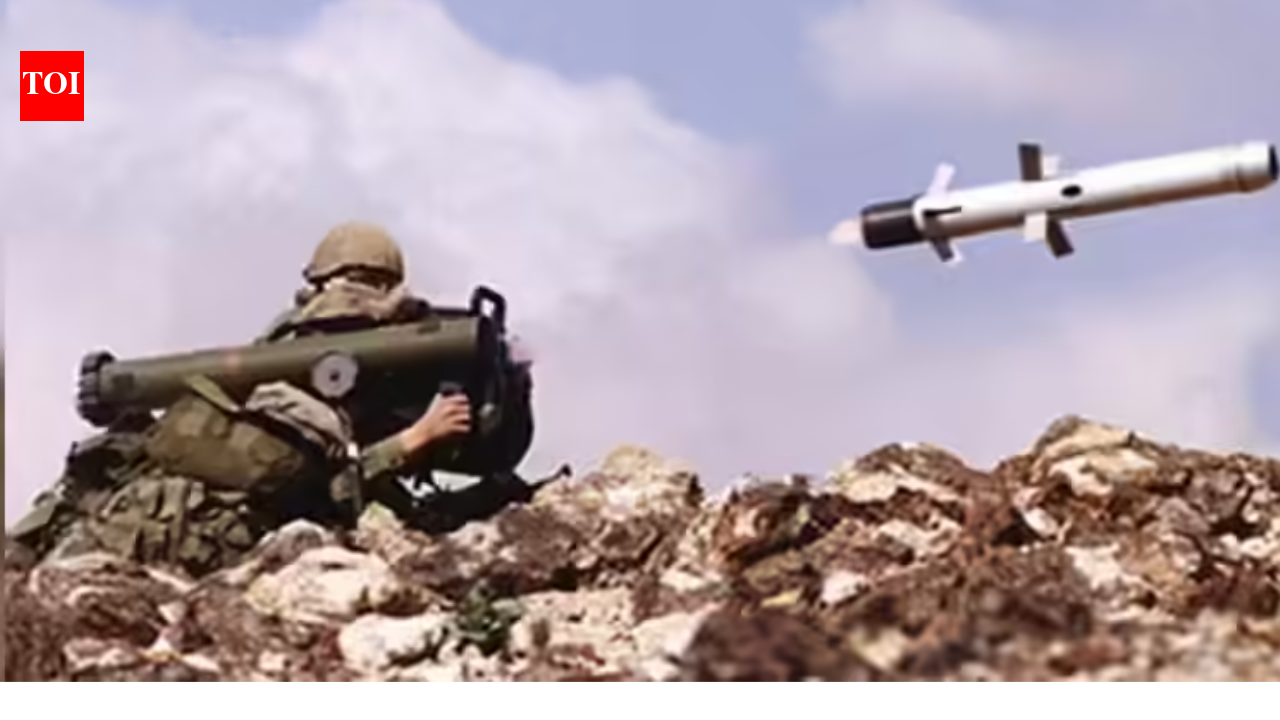
In a significant move that underscores the intricate geopolitical landscape of the Middle East, the United States has approved arms sales exceeding $8.6 billion to four crucial regional allies: Israel, Qatar, the United Arab Emirates, and Kuwait. This substantial package, cleared by the US State Department, arrives at a moment of heightened volatility, reflecting Washington's dual objectives of reinforcing strategic partnerships and mitigating burgeoning security challenges from the Levant to the Arabian Gulf.
The decision to proceed with these sales is not merely a commercial transaction; it is a profound statement of foreign policy, signaling continued American engagement and a commitment to the security architecture of a region vital to global energy supplies and international stability. The approvals encompass a wide array of military hardware and support, tailored to the specific defense needs and strategic roles of each recipient nation, against a backdrop of evolving threats including state-sponsored aggression, terrorism, and internal strife.
A Strategic Imperative: Balancing Power and Security
The Middle East has long been a crucible of international power dynamics, and the latest arms deals are a testament to the enduring complexities. For Israel, a long-standing strategic partner, the sales are often framed within the context of maintaining its qualitative military edge (QME) in a hostile neighborhood. This edge is deemed crucial for Israel's defense against both state and non-state actors, particularly given the ongoing conflict in Gaza and the broader regional implications involving Iran and its proxies. The nature of the approved sales to Israel typically includes advanced weaponry, precision-guided munitions, and sophisticated defense systems, reflecting a continuous effort to modernize its armed forces and enhance its deterrent capabilities.
Simultaneously, the sales to Qatar, the UAE, and Kuwait – all members of the Gulf Cooperation Council (GCC) – highlight a different, yet equally critical, dimension of US strategy. These nations are vital for regional stability, hosting significant US military bases and playing key roles in counter-terrorism efforts and maritime security. The arms packages for these Gulf states often focus on air defense systems, naval assets, and capabilities to protect critical infrastructure, particularly oil and gas facilities, from missile and drone attacks. The threat perception in the Gulf is largely dominated by concerns over Iranian influence and its ballistic missile program, as well as the need to secure vital shipping lanes through the Strait of Hormuz.
Historical Context: A Legacy of Engagement
The United States has been the primary arms supplier to the Middle East for decades, a policy rooted in Cold War rivalries and sustained by post-9/11 counter-terrorism efforts and the need to contain regional hegemons. Historically, these sales have been justified as a means to:
* Deter aggression: Providing allies with the means to defend themselves against external threats. * Promote stability: Equipping partners to maintain internal order and contribute to regional security initiatives. * Strengthen alliances: Deepening military-to-military ties and interoperability with key strategic partners. * Project power: Allowing the US to maintain influence without direct military intervention in every instance.
Past administrations, irrespective of political affiliation, have consistently utilized arms sales as a tool of foreign policy. From the Reagan era's support for Saudi Arabia against Soviet expansionism to the Obama administration's efforts to bolster Gulf defenses against Iran, the pattern remains consistent. The current administration's approval of this $8.6 billion package falls squarely within this established paradigm, albeit with added urgency given the current geopolitical climate.
Implications and Criticisms: A Double-Edged Sword
While proponents argue that these arms sales are essential for regional stability and US national interests, critics often raise significant concerns. One major point of contention is the potential for arms proliferation and the risk that advanced weaponry could be misused or fall into the wrong hands, exacerbating existing conflicts or fueling new ones. Human rights organizations frequently voice concerns about the use of US-supplied weapons in conflicts that result in civilian casualties, particularly in Yemen where Saudi Arabia and the UAE have been key belligerents.
Furthermore, the long-term impact on regional arms races is a perennial worry. As one nation acquires more sophisticated weaponry, its neighbors often feel compelled to follow suit, leading to a dangerous cycle of military buildup. This can divert resources from critical social and economic development, perpetuating instability rather than alleviating it. The sheer scale of these transactions also raises questions about the ethical dimensions of arms trade and the responsibility of supplier nations.
Economically, these sales represent a significant boon for the US defense industry, supporting jobs and technological innovation. However, the political costs, both domestically and internationally, can be considerable, especially when sales are perceived as contradictory to stated US values or as contributing to humanitarian crises.
The Road Ahead: Navigating a Volatile Future
The approval of $8.6 billion in arms sales is a clear signal that the United States intends to remain a pivotal player in Middle Eastern security. However, the path ahead is fraught with challenges. The ongoing conflict in Gaza, the persistent threat of Iranian proxies, the complex dynamics of intra-GCC relations, and the broader competition among global powers (including China and Russia) for influence in the region all contribute to an exceptionally volatile environment.
Washington's strategy will need to be agile, balancing the immediate security needs of its allies with the broader goal of fostering long-term stability and de-escalation. This will likely involve a multi-pronged approach that includes:
* Continued diplomatic engagement: Working to resolve conflicts and de-escalate tensions through negotiation. * Targeted security assistance: Providing training and intelligence alongside hardware. * Promoting regional cooperation: Encouraging allies to work together on shared security challenges. * Adherence to human rights standards: Ensuring that arms sales do not contribute to abuses.
The latest arms package serves as a powerful reminder that in the Middle East, security is a constantly evolving equation, and the United States remains deeply invested in shaping its outcome. The efficacy of these sales will ultimately be judged not just by the technological superiority they impart, but by their contribution to a more peaceful and secure future for a region desperately in need of it.
Stay Informed
Get the world's most important stories delivered to your inbox.
No spam, unsubscribe anytime.
Comments
No comments yet. Be the first to share your thoughts!