Zero Parades: For Dead Spies – A Nostalgia Trip Through Post-Soviet Scraps and Existential Dread
The highly anticipated follow-up from the creators of Disco Elysium, "Zero Parades: For Dead Spies," promises a deep dive into themes of nostalgia, memory, and the lingering echoes of a bygone era. Our first impressions from the demo reveal a meticulously crafted world, Portofiro, brimming with the unique charm of ex-Soviet bloc ingenuity and the philosophical weight expected from ZA/UM veterans. This article explores how the game masterfully uses its setting and narrative to comment on our collective yearning for the past, even when that past is fraught with complexity.
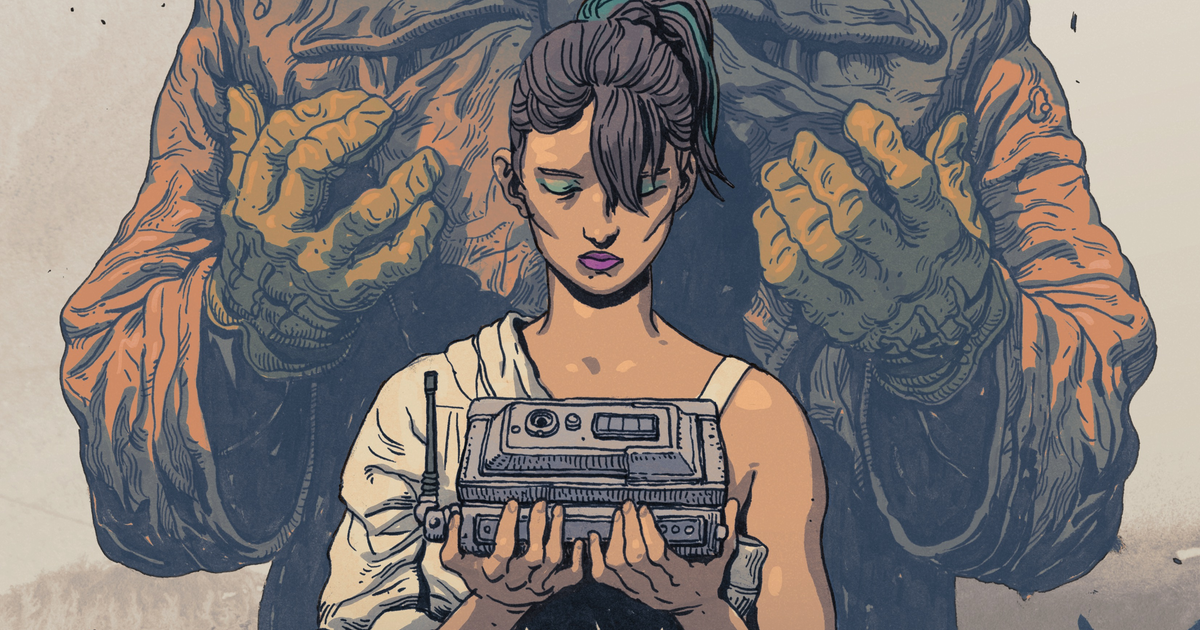
From the moment you step into the Bootleg Bazaar in Portofiro, it's clear that "Zero Parades: For Dead Spies" is not just another video game; it's an experience, a philosophical inquiry wrapped in the gritty, compelling aesthetic of a post-Soviet reality. The spiritual successor to the critically acclaimed "Disco Elysium," this new title from ZA/UM veterans immediately distinguishes itself with a setting that feels both intimately familiar and strikingly alien. Portofiro, with its "chimera of ex-Soviet bloc organisms," as described in early impressions, is a living, breathing testament to scrappy, second-hand capitalism, a place where history isn't just remembered, but actively re-purposed and re-sold. This initial glimpse into the game's world suggests a profound exploration of nostalgia, memory, and the complex relationship humanity holds with its own past, promising a narrative depth that few games dare to touch.
The Echoes of a Bygone Era: Portofiro's Soul
The city of Portofiro isn't merely a backdrop; it's a character in itself, a mosaic of cultural remnants and economic improvisation. The concept of the Bootleg Bazaar, where "ex-Soviet bloc organisms have nestled together," evokes a powerful image of resilience and adaptation. This isn't the romanticized, often sanitized version of history found in textbooks; it's the raw, lived experience of societies grappling with profound geopolitical shifts. The game appears to leverage this setting to explore the very nature of nostalgia – not just as a personal sentiment, but as a collective societal phenomenon. How do communities rebuild their identities when the ideological foundations upon which they were built have crumbled? How do individuals navigate a world where the past is both a burden and a resource? These are the questions that "Zero Parades" seems poised to ask, drawing players into a richly detailed world where every discarded artifact and every street corner tells a story.
The developers' decision to set the game in such a specific, culturally rich environment is a deliberate choice, echoing the intricate world-building seen in "Disco Elysium's" Revachol. While Revachol explored themes of political decay and personal amnesia in a fantastical, yet grounded, setting, Portofiro seems to ground its narrative in a more direct, albeit still stylized, reflection of real-world historical transitions. The "scrappy, second-hand capitalism" isn't just an aesthetic; it's a commentary on the economic realities that followed the collapse of the Soviet Union, where ingenuity and opportunism often filled the void left by state-controlled economies. This historical context provides a fertile ground for narrative, allowing the game to delve into the psychological and social impacts of such monumental changes.
Dissecting Nostalgia: More Than Just Fond Memories
"Zero Parades: For Dead Spies" appears to be more than just a detective story; it's an examination of nostalgia's multifaceted nature. The source description hints that the game "has things to say about our nostalgia," suggesting a critical, rather than purely sentimental, approach. Nostalgia, often perceived as a benign longing for the good old days, can also be a powerful, sometimes dangerous, force. It can fuel political movements, shape cultural identities, and even distort historical understanding. The game's setting, steeped in the remnants of a powerful, collapsed empire, provides the perfect canvas to explore these complexities.
Consider the psychological aspect: why do we yearn for the past, even when that past was imperfect or even oppressive? Is it a desire for simplicity, familiarity, or a perceived sense of order? "Zero Parades" seems to invite players to confront these questions head-on, perhaps through its characters' own struggles with memory and identity. The title itself, "For Dead Spies," suggests a narrative steeped in secrets, forgotten histories, and the ghosts of past conflicts, further emphasizing the theme of confronting what was, and what remains.
The ZA/UM Legacy: Narrative Depth and Unconventional Storytelling
The expectations for "Zero Parades" are undeniably high, largely due to the groundbreaking success of "Disco Elysium." That game redefined what an RPG could be, prioritizing deep, branching dialogue, internal monologues, and psychological introspection over traditional combat mechanics. It presented a world riddled with political ideologies, personal failures, and existential crises, all filtered through the eyes of an amnesiac detective. The "ZA/UM veterans" behind "Zero Parades" are expected to bring this same level of narrative ambition and unconventional storytelling to their new project.
One of "Disco Elysium's" greatest strengths was its ability to make the player feel genuinely complicit in the protagonist's internal struggles, often forcing difficult moral choices with no clear-cut answers. This approach fostered a unique sense of player agency and emotional investment. It's reasonable to anticipate that "Zero Parades" will continue this tradition, using its rich setting and thematic focus on nostalgia to create equally complex moral and psychological dilemmas. The game is unlikely to offer easy answers, instead opting for nuanced explorations of human nature and societal decay.
Implications for the Player: A Mirror to Our Own Times
While set in a specific, fictionalized post-Soviet environment, the themes explored in "Zero Parades: For Dead Spies" resonate deeply with contemporary global issues. In an era marked by rapid technological change, political polarization, and a constant re-evaluation of historical narratives, the concept of nostalgia takes on new significance. Many societies today grapple with their own "dead spies" – the lingering ideologies, forgotten heroes, and unresolved conflicts of their pasts. The game, therefore, could serve as a powerful cultural mirror, prompting players to reflect on their own relationship with history, memory, and the allure of a romanticized past.
Furthermore, the game's exploration of "scrappy, second-hand capitalism" and the improvisation born from necessity speaks to broader economic anxieties and the search for meaning in a consumer-driven world. It highlights how even in the most challenging circumstances, human ingenuity finds ways to persist, often by repurposing the remnants of what came before. This universal theme ensures that while the setting is specific, the message is broadly applicable, inviting players from diverse backgrounds to engage with its core ideas.
Conclusion: A Philosophical Journey Awaits
"Zero Parades: For Dead Spies" is shaping up to be far more than just a game; it's a meticulously crafted narrative experience designed to provoke thought and challenge perceptions. By immersing players in the intricate, melancholic beauty of Portofiro's Bootleg Bazaar, and by placing the complex phenomenon of nostalgia at its thematic core, the developers are poised to deliver another landmark title. It promises a journey not just through a fictional world, but through the very fabric of memory, identity, and the enduring human quest to understand where we come from and what we leave behind. As the demo makes its way to players on Steam, the anticipation for this profound exploration of history's echoes only continues to build, suggesting that the "dead spies" of Portofiro have many stories left to tell, and many lessons to impart about our own collective past and future.
Stay Informed
Get the world's most important stories delivered to your inbox.
No spam, unsubscribe anytime.
Comments
No comments yet. Be the first to share your thoughts!