Asian Disunity's High Price: How the Iran War 2026 Amplifies Global Energy Crisis and Economic Risks
The hypothetical Iran War 2026 serves as a stark warning about the profound global consequences of Asian disunity, particularly concerning energy security. With the Strait of Hormuz at the epicenter, the conflict exposes vulnerabilities in oil supply chains and highlights the economic risks exacerbated by a lack of coordinated regional response. This crisis underscores the urgent need for greater cooperation among Asian powers to safeguard global stability and economic prosperity.
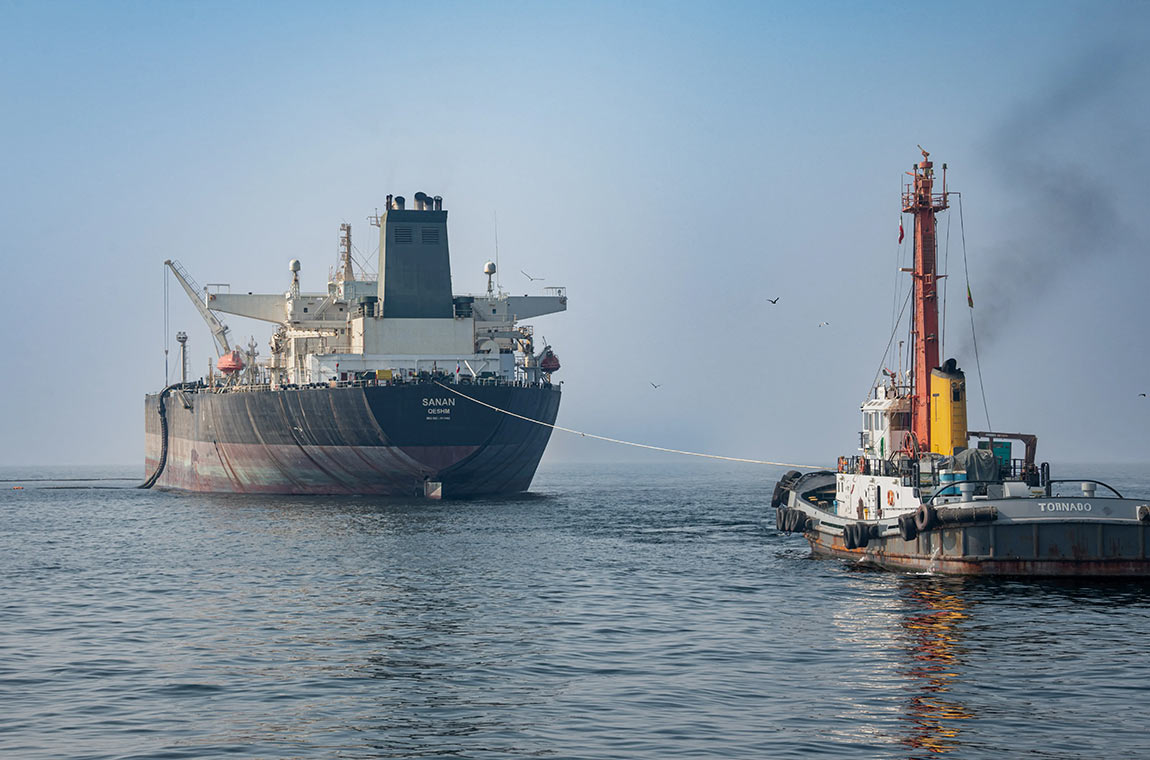
The year 2026, though still in the future, casts a long shadow over the present geopolitical landscape, particularly concerning the volatile Middle East. The hypothetical 'Iran War 2026' scenario, while a thought experiment, serves as a chillingly realistic lens through which to examine the profound vulnerabilities of global energy security and the catastrophic economic fallout exacerbated by Asian disunity. At the heart of this crisis lies the Strait of Hormuz, a narrow waterway through which a significant portion of the world's oil supply transits, making it an indispensable artery of global commerce and a perennial flashpoint.
The Strait of Hormuz: A Chokepoint of Global Consequence
For decades, the Strait of Hormuz has been synonymous with geopolitical tension. Connecting the Persian Gulf to the open ocean, it is the world's most important oil transit chokepoint, with approximately one-fifth of global petroleum liquids consumption passing through its waters daily. Any significant disruption here sends immediate shockwaves through international energy markets, triggering price spikes and threatening the stability of economies reliant on a steady supply of oil and natural gas. The 'Iran War 2026' scenario posits a conflict that would inevitably involve this critical waterway, potentially leading to its closure or severe impediment. Such an event would not merely be a regional crisis; it would be a global economic catastrophe.
Historically, Asian states have deployed military forces in the region, often as part of broader multilateral operations aimed at ensuring the freedom of navigation. However, these deployments have often been ad hoc, driven by individual national interests rather than a cohesive, pan-Asian strategy. The lack of a unified front, stemming from complex historical grievances, competing economic interests, and differing strategic alignments, leaves the continent — and indeed the world — dangerously exposed when a crisis like the 'Iran War 2026' erupts. The absence of a robust, coordinated Asian security architecture means that responses are often reactive and fragmented, diluting their effectiveness and prolonging instability.
Asian Disunity: A Self-Inflicted Wound in Energy Security
Asia is the world's largest consumer of energy, with countries like China, India, Japan, and South Korea heavily dependent on Middle Eastern oil and gas imports. This reliance makes the region uniquely vulnerable to disruptions in the Strait of Hormuz. Despite this shared vulnerability, geopolitical realities within Asia itself often constrain the possibility of forming a truly coordinated response. Rivalries between major powers, territorial disputes, and historical animosities frequently overshadow common interests, preventing the emergence of a unified diplomatic or security strategy.
Consider the differing approaches to maritime security or energy diversification. While some nations might prioritize strengthening their naval presence, others might focus on building strategic petroleum reserves or investing in alternative energy sources and new shipping routes. These individual strategies, while prudent in isolation, fail to address the systemic risk posed by a major chokepoint disruption unless they are part of a larger, harmonized effort. The 'Iran War 2026' scenario highlights how this lack of collective action would lead to a scramble for scarce resources, potentially exacerbating regional tensions and undermining global efforts to stabilize the situation. The economic costs would be staggering, impacting everything from manufacturing and transportation to food prices and financial markets across the globe.
Economic Fallout and Global Repercussions
The economic implications of the 'Iran War 2026' scenario, amplified by Asian disunity, are dire. A significant disruption in oil flows from the Middle East would lead to: * Skyrocketing oil prices: Brent crude could easily surpass $150 or even $200 per barrel, triggering inflation worldwide. * Supply chain paralysis: Industries reliant on oil for production and transport would face severe bottlenecks and increased costs. * Recessionary pressures: Major economies, particularly those in Asia and Europe, would likely plunge into recession as energy costs cripple businesses and consumer spending. * Financial market instability: Stock markets would plummet, and investor confidence would evaporate, leading to capital flight and currency crises. * Humanitarian crises: Rising energy and food prices would disproportionately affect vulnerable populations, potentially leading to social unrest.
Furthermore, the crisis would expose the limitations of existing international institutions. While the International Energy Agency (IEA) could coordinate strategic petroleum reserve releases, the sheer scale of a Hormuz closure would quickly overwhelm these measures. The lack of a unified Asian voice in international fora would also weaken diplomatic efforts to de-escalate the conflict and secure vital shipping lanes, leaving the global community without a strong, coherent strategy to mitigate the crisis.
Towards a Coordinated Asian Response: A Path Forward
The lessons from the 'Iran War 2026' thought experiment are clear: Asian unity is not a luxury, but a necessity for global stability. To avert such catastrophic scenarios, Asian nations must move beyond historical rivalries and forge stronger mechanisms for cooperation. This includes: * Enhanced Dialogue and Diplomacy: Regular high-level discussions on regional security and energy policy to build trust and identify common ground. * Joint Maritime Security Initiatives: Collaborative efforts to protect shipping lanes, share intelligence, and conduct joint exercises in critical chokepoints. * Diversification of Energy Sources and Routes: Investing in renewable energy, developing alternative oil and gas suppliers, and exploring new transit routes (e.g., pipelines bypassing the Strait of Hormuz) to reduce over-reliance on any single region or waterway. * Regional Economic Integration: Deeper economic ties and free trade agreements can create shared stakes in stability and foster greater interdependence, making conflict less attractive.
While the prospect of a fully unified Asia remains challenging, incremental steps towards greater coordination are vital. The economic and human cost of inaction, as highlighted by the 'Iran War 2026' scenario, is simply too high to ignore. For PulseWorld readers, understanding these dynamics is crucial, as the interconnectedness of our world means that a crisis in one region, exacerbated by a lack of unity, will inevitably ripple across all continents. The future of global energy security and economic prosperity hinges on the collective wisdom and cooperation of Asian powers.
Conclusion: The Imperative of Collective Security
The 'Iran War 2026' scenario serves as a powerful, albeit hypothetical, wake-up call. It vividly illustrates how the absence of a cohesive Asian response to a major Middle East crisis can plunge the world into an unprecedented energy crisis and economic downturn. The Strait of Hormuz, a seemingly distant chokepoint, becomes the epicenter of global instability, its disruption amplified by the geopolitical fragmentation of a continent that is both the world's economic engine and its largest energy consumer. The imperative for Asian nations to overcome their differences and forge a path towards collective security and economic resilience has never been more urgent. Only through genuine cooperation can the world hope to navigate the treacherous waters of future geopolitical conflicts and safeguard the foundations of global prosperity. The alternative is a future defined by chaos, scarcity, and profound instability.
Stay Informed
Get the world's most important stories delivered to your inbox.
No spam, unsubscribe anytime.
Comments
No comments yet. Be the first to share your thoughts!