Gaza: The Looming Specter of a 'Forgotten Crisis' Amidst Broader Geopolitical Tensions
As global attention shifts to the broader Middle East conflict, the humanitarian crisis in Gaza risks becoming a 'forgotten crisis,' warns the Singapore Red Cross. Despite recent ceasefires, the need for sustained aid remains critical to protect civilian lives and prevent further suffering. This report delves into the complexities of the situation, the challenges faced by aid organizations, and the urgent call for continued international focus and support.
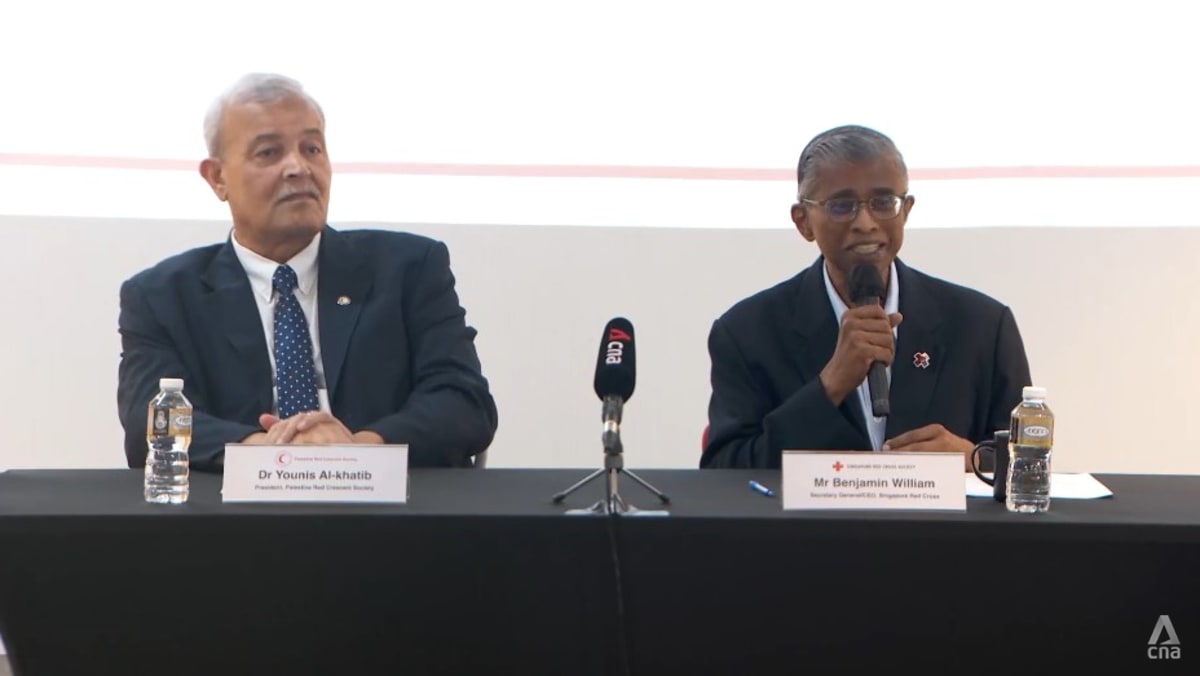
In the tumultuous theater of global geopolitics, where headlines often pivot from one flashpoint to another, the humanitarian crisis in Gaza faces a perilous new threat: the risk of becoming a 'forgotten crisis'. This stark warning comes from Benjamin William, CEO of the Singapore Red Cross, who highlighted on Tuesday (May 5) that the escalating broader conflict in the Middle East, involving Iran, the US, and Israel, has inadvertently diverted crucial international attention and resources away from the dire needs of Gaza's civilian population. Despite recent ceasefires and diplomatic efforts, the underlying humanitarian catastrophe persists, demanding unwavering global commitment.
The Shadow of Geopolitical Shifts
The Middle East has long been a crucible of complex political and religious dynamics, but recent months have seen an unprecedented escalation. The direct confrontation between Iran and Israel, coupled with the significant involvement of the United States, has understandably dominated international news cycles. This intense focus, while critical for regional stability, has inadvertently cast a long shadow over other pressing humanitarian emergencies. William's concern is not merely rhetorical; it reflects a tangible shift in aid priorities and public discourse. "The broader conflict in the Middle East, involving Iran, the US and Israel, has drawn a lot of attention away from other crises around the world," he stated, underscoring the precarious position of Gaza in the global humanitarian agenda.
The ongoing conflict has left Gaza's infrastructure in ruins, its healthcare system on the brink of collapse, and its population facing severe shortages of food, water, and medicine. Even during periods of relative calm, the blockade and the cumulative effects of decades of conflict have created a chronic state of emergency. The recent hostilities have only exacerbated these pre-existing vulnerabilities, pushing millions to the brink of survival. The challenge for organizations like the Singapore Red Cross is not just to deliver aid, but to ensure that the world remembers why that aid is so desperately needed, even when other, more dramatic events unfold.
Unpacking the Humanitarian Imperative
The concept of a 'forgotten crisis' is particularly insidious because it implies a decline in empathy and a shift in resource allocation. For Gaza, this means a potential reduction in funding, a decrease in media coverage, and a diminished sense of urgency among international policymakers. Yet, the humanitarian imperative remains as strong as ever. The principles of humanity, impartiality, neutrality, and independence, which guide organizations like the Red Cross, dictate that aid must reach those in need, regardless of political circumstances or the ebb and flow of global attention.
According to UN OCHA, over 2 million people in Gaza are in need of humanitarian assistance, with a significant portion displaced multiple times. Access to clean water is severely limited, leading to widespread health concerns. Food insecurity is rampant, with reports indicating that a substantial percentage of the population faces acute levels of hunger. The healthcare system, already fragile, has been overwhelmed by casualties and a lack of essential supplies. Hospitals operate at a fraction of their capacity, often without electricity or basic medicines. These are not statistics; these are the daily realities for families struggling to survive in an enclave under immense pressure.
The Role of the Singapore Red Cross and International Partners
The Singapore Red Cross (SRC) has been a consistent and vital contributor to humanitarian efforts in Gaza. Their commitment extends beyond immediate relief, encompassing long-term recovery and resilience-building initiatives. Since the escalation of hostilities, the SRC has mobilized significant resources, sending multiple tranches of aid, including medical supplies, food items, and shelter materials. Their efforts are part of a broader, coordinated international response involving numerous Red Cross and Red Crescent societies, UN agencies, and NGOs.
However, the operational environment in Gaza presents formidable challenges. Logistical hurdles, including border crossings, security concerns, and bureaucratic delays, often impede the timely delivery of aid. The constant threat of renewed conflict makes planning and execution incredibly difficult. Furthermore, the sheer scale of destruction means that even substantial aid efforts can feel like a drop in the ocean compared to the overwhelming needs. William emphasized that despite these challenges, the commitment of the SRC and its partners remains unwavering. "We are committed to providing assistance and support to the affected communities," he affirmed, highlighting the long-standing presence and dedication of the Red Cross Movement in the region.
Beyond Immediate Relief: Towards Sustainable Solutions
While immediate relief is paramount, the long-term vision for Gaza must extend beyond crisis management to sustainable solutions. This involves rebuilding critical infrastructure, fostering economic recovery, and addressing the underlying causes of vulnerability. Education, healthcare, and livelihood programs are essential components of any comprehensive recovery strategy. However, such initiatives require a stable political environment and sustained international investment, elements that have historically been elusive.
Experts argue that true stability in Gaza can only be achieved through a political resolution that addresses the root causes of the conflict and ensures the dignity and rights of its inhabitants. Without a viable political horizon, humanitarian aid, while life-saving, becomes a perpetual stopgap measure. The international community, therefore, has a dual responsibility: to continue providing urgent humanitarian assistance and to exert diplomatic pressure for a just and lasting peace. The risk of Gaza becoming 'forgotten' is not just about aid flows; it's about the potential abandonment of a people caught in an intractable conflict.
A Call to Action: Sustaining Focus and Support
Benjamin William's warning serves as a critical call to action. It is a reminder that global empathy and attention are finite resources, but humanitarian needs are not. For Gaza, the stakes are incredibly high. Allowing the crisis to recede from public consciousness would have devastating consequences, potentially leading to further loss of life, increased suffering, and a deepening sense of despair among a population already pushed to its limits. The international community, including governments, civil society, and individuals, must actively resist the temptation to look away.
Continued advocacy, sustained funding, and persistent diplomatic engagement are essential. The media also plays a crucial role in keeping the narrative alive, ensuring that the human stories from Gaza continue to resonate. As William eloquently put it, "humanitarian support is still critical to protect the lives of civilians in the enclave." This is not just a plea for aid; it is a plea for remembrance, for justice, and for a shared commitment to humanity. The world must not let Gaza become a silent, forgotten crisis. Its people deserve better; they deserve our unwavering attention and support until a durable peace is achieved.
Stay Informed
Get the world's most important stories delivered to your inbox.
No spam, unsubscribe anytime.
Comments
No comments yet. Be the first to share your thoughts!