China's Nuclear Ambition: Building 50 Reactors Simultaneously to Dominate Global Power
China has revealed an unprecedented capacity to construct up to 50 nuclear reactors concurrently, signaling its aggressive pursuit of global leadership in nuclear power. This rapid expansion underscores a strategic shift towards energy independence and climate goals, positioning China as a dominant force in the future of atomic energy. The move has significant geopolitical and economic implications, reshaping the global energy landscape.
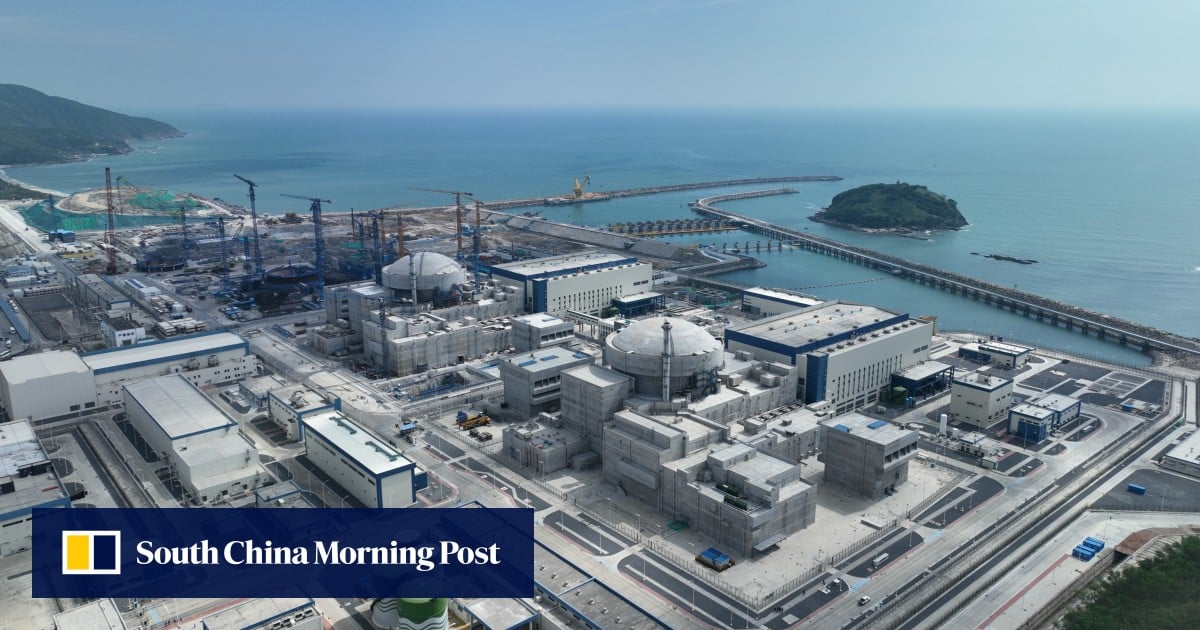
In a declaration that reverberated through international energy circles, China has announced its remarkable capability to construct as many as 50 nuclear reactors simultaneously. This audacious claim is not merely a statement of industrial prowess but a clear signal of Beijing's strategic intent to not only meet its burgeoning energy demands but also to firmly establish itself as the undisputed global leader in nuclear power generation. The sheer scale of this ambition dwarfs the efforts of all other nations combined, marking a pivotal moment in the global energy transition and geopolitical power dynamics.
This development comes amidst a global push for cleaner energy sources and a renewed interest in nuclear power as a reliable, low-carbon alternative to fossil fuels. China’s aggressive expansion is set to redefine the industry, influencing everything from technology development to international energy markets and climate change mitigation strategies.
An Unprecedented Industrial Feat
The ability to manage the construction of 50 complex nuclear facilities concurrently speaks volumes about China's advanced engineering capabilities, robust supply chains, and centralized planning. Each nuclear reactor is a monumental undertaking, requiring vast resources, specialized labor, and stringent safety protocols. To scale this up to 50 active projects at once is an industrial feat unparalleled in modern history. This capacity is not just about building; it's about the entire ecosystem: from uranium enrichment and fuel fabrication to waste management and grid integration. China has systematically invested in each of these components, creating a self-sufficient and highly efficient nuclear industrial complex.
Historically, nuclear power plant construction has been a slow and capital-intensive process, often plagued by delays and cost overruns in many Western nations. China, however, appears to have streamlined these processes, leveraging its vast manufacturing base and state-backed enterprises to accelerate project timelines. This efficiency allows for a rapid deployment strategy that is critical for meeting its ambitious energy targets and maintaining economic growth.
Driving Forces: Energy Security, Climate Goals, and Economic Dominance
Several powerful imperatives are driving China's nuclear expansion. Firstly, energy security is paramount. As the world's largest energy consumer, China is heavily reliant on imported fossil fuels, making its economy vulnerable to global price fluctuations and geopolitical instability. Nuclear power offers a stable, domestic energy source that reduces this dependency, enhancing national security.
Secondly, China is committed to ambitious climate change targets, including peaking carbon emissions before 2030 and achieving carbon neutrality by 2060. Nuclear power, being a virtually carbon-free electricity source during operation, is a cornerstone of this decarbonization strategy. Each new reactor displaces significant amounts of coal-fired generation, contributing directly to cleaner air and a reduction in greenhouse gas emissions.
Thirdly, there's a clear economic and technological imperative to achieve global dominance. By becoming the leading developer and exporter of nuclear technology, China aims to capture a significant share of the international market for reactor construction and nuclear services. This not only generates revenue but also enhances its geopolitical influence, allowing it to set standards and shape the future of nuclear energy worldwide. The development of advanced reactor designs, such as the Hualong One, showcases China's indigenous innovation and its readiness to compete with established players like Westinghouse and Rosatom.
Geopolitical and Economic Implications
The implications of China's nuclear surge are far-reaching. Geopolitically, it shifts the balance of power in the global energy landscape. Nations seeking to develop their own nuclear programs may increasingly look to China for technology, financing, and expertise, potentially reducing the influence of traditional Western suppliers. This could lead to new alliances and dependencies, particularly in developing countries eager for reliable power but lacking the resources for independent development.
Economically, the scale of China's investment in nuclear power will create massive demand for raw materials, particularly uranium. This will likely impact global commodity markets and spur exploration and mining activities worldwide. Furthermore, the development of a highly skilled nuclear workforce and advanced manufacturing capabilities will have positive spillover effects across other high-tech industries within China, fostering innovation and economic growth.
However, this rapid expansion also raises questions about safety standards and waste management. While China asserts its commitment to the highest international safety benchmarks, the sheer volume of reactors under construction and planned will necessitate robust regulatory oversight and long-term solutions for spent nuclear fuel. International cooperation and transparency will be crucial in addressing these concerns and building global confidence in China's nuclear program.
The Future of Nuclear Power: A Chinese Blueprint?
China's aggressive nuclear build-out presents a compelling case study for other nations contemplating their own energy futures. Its model of centralized planning, rapid deployment, and indigenous technological development could serve as a blueprint, or at least a significant point of reference, for countries aiming to decarbonize their grids and enhance energy security through nuclear power.
As the world grapples with the dual challenges of climate change and energy demand, China's nuclear ambition offers a glimpse into a potential future where atomic energy plays a much larger role. The ability to build 50 reactors simultaneously is not just a statistic; it's a testament to a nation's resolve to reshape its energy destiny and, in doing so, influence the global energy paradigm for decades to come. The coming years will undoubtedly see China solidify its position, challenging traditional nuclear powers and potentially ushering in a new era of nuclear energy development driven by the East.
Stay Informed
Get the world's most important stories delivered to your inbox.
No spam, unsubscribe anytime.
Comments
No comments yet. Be the first to share your thoughts!