NamWater's Renewable Energy Push Stalls: Red Tape Threatens Namibia's Green Transition
NamWater, Namibia's national water utility, has put its ambitious renewable energy cost-saving strategy on hold due to regulatory hurdles. The initiative, vital for reducing operational costs and carbon footprint, faces delays as the utility navigates complex compliance requirements. This pause highlights broader challenges in integrating sustainable practices within public utilities, particularly in developing nations striving for energy independence and environmental stewardship. The situation underscores the delicate balance between innovation and regulatory oversight.
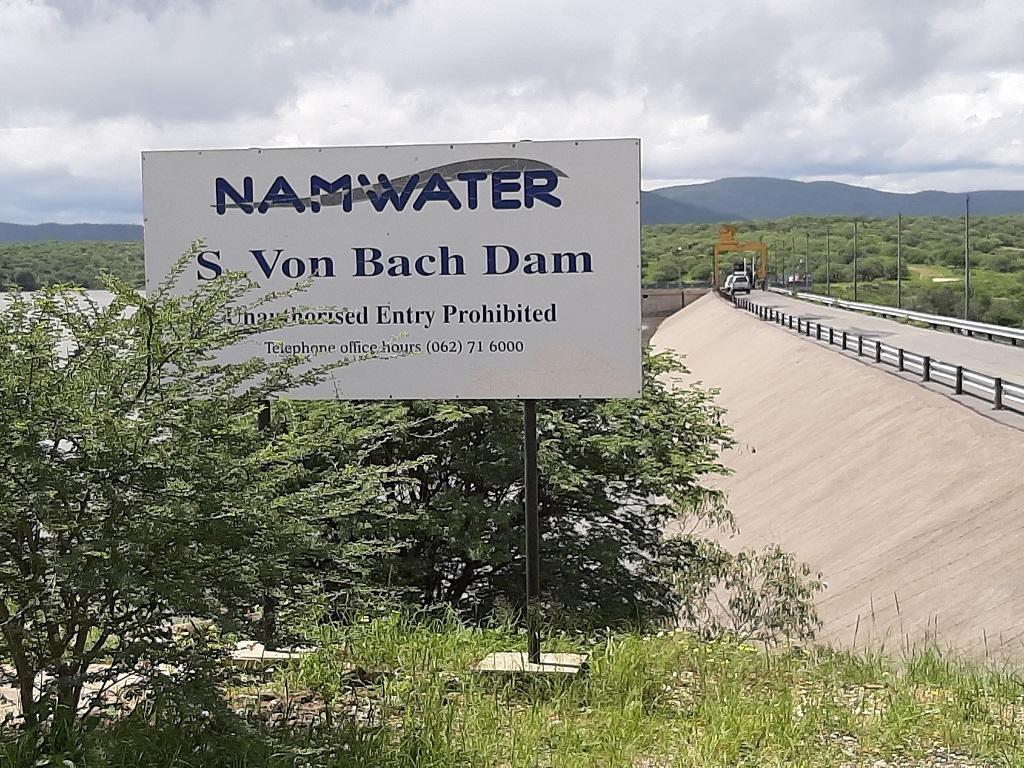
In a significant setback for Namibia's green energy aspirations, NamWater, the national water utility, has announced a temporary halt to its ambitious renewable energy integration strategy. This initiative, designed to drastically cut operational costs and reduce the utility's carbon footprint, has been paused as NamWater engages in extensive consultations with regulators over complex compliance requirements. The development casts a spotlight on the intricate dance between innovation, sustainability, and bureaucratic processes, particularly within critical public infrastructure sectors in developing economies.
NamWater, a cornerstone of Namibia's public services, is responsible for bulk water supply across the vast, arid nation. Its operational expenses are substantial, with energy costs forming a significant portion. The push towards renewable energy, primarily solar, was seen as a pragmatic solution to mitigate these costs, enhance energy security, and align with global environmental mandates. However, the current impasse underscores a common challenge: the path to a sustainable future is often paved with unforeseen regulatory complexities.
The Promise of Renewable Energy for Public Utilities
The allure of renewable energy for public utilities like NamWater is multifaceted. Firstly, cost reduction is paramount. Traditional energy sources, often fossil fuel-dependent, are subject to volatile global prices. By generating their own power, utilities can shield themselves from these fluctuations, leading to more stable operational budgets and potentially lower costs for end-users. For NamWater, which operates numerous pumping stations and treatment plants across vast distances, energy consumption is a gargantuan expense. A successful transition to solar power could translate into millions of Namibian dollars in annual savings, funds that could be reinvested into infrastructure upgrades or service expansion.
Secondly, energy independence and security are critical, especially for a country like Namibia that relies heavily on imported electricity. Localized renewable energy generation reduces reliance on external grids and strengthens national resilience against power outages or supply disruptions. This is particularly vital for water supply, a service that cannot afford interruptions. Thirdly, the environmental benefits are undeniable. Shifting away from fossil fuels reduces greenhouse gas emissions, contributing to national and international climate change mitigation efforts. Namibia, like many African nations, is particularly vulnerable to the impacts of climate change, making sustainable practices not just an economic choice but an ecological imperative.
Navigating the Labyrinth of Regulation
The current pause in NamWater's strategy highlights the often-underestimated challenge of regulatory compliance. While the broad strokes of renewable energy integration seem straightforward, the specifics can be daunting. Public utilities operate under stringent oversight, dictated by a myriad of laws, standards, and protocols designed to ensure reliability, safety, and public accountability. When introducing new technologies or operational models, these existing frameworks may not be adequately equipped to handle the nuances.
For instance, questions may arise regarding grid integration standards, licensing requirements for self-generation, safety certifications for new equipment, environmental impact assessments for solar farms, and even the financial models for energy production and consumption. The Electricity Control Board (ECB) in Namibia, as the primary regulator, plays a crucial role in ensuring that any new energy project adheres to national energy policies and technical specifications. Their mandate is to protect consumers and ensure a stable energy supply, which sometimes means a cautious approach to new paradigms.
Furthermore, the legal framework surrounding power purchase agreements (PPAs), wheeling charges (fees for using the national grid to transmit self-generated power), and potential surplus energy sales can be complex. NamWater might be exploring options to not only power its own operations but also potentially feed excess electricity back into the national grid, a move that requires clear legal and financial frameworks. The lack of clear precedents or an agile regulatory environment can lead to significant delays, as utilities and regulators work to define the new operational landscape.
Broader Implications for Namibia and Beyond
This delay at NamWater is not an isolated incident; it reflects a broader challenge faced by many developing nations attempting to transition to sustainable energy. The "green tape"—the bureaucratic hurdles associated with environmental and renewable energy projects—can be as formidable as the financial and technical challenges. It underscores the need for proactive policy development and regulatory reform that anticipates and facilitates, rather than hinders, the adoption of clean energy technologies.
For Namibia, a country with abundant solar resources, the efficient integration of renewable energy is key to its long-term economic stability and environmental health. Delays in projects like NamWater's can have ripple effects, impacting investment confidence, slowing down job creation in the green sector, and ultimately delaying the realization of national development goals. It also sends a signal to potential investors that the regulatory environment might be less predictable than desired.
Expert analysis suggests that a more streamlined and adaptive regulatory framework is essential. This could involve creating dedicated task forces to expedite approvals for critical green infrastructure projects, developing clear guidelines for self-generation and grid integration, and fostering greater collaboration between utilities, regulators, and technology providers. The goal should be to balance robust oversight with the imperative to innovate and decarbonize.
The Path Forward: Collaboration and Clarity
While the current pause is undoubtedly frustrating for NamWater and its stakeholders, it also presents an opportunity. The ongoing consultations with regulators can lead to the development of clearer, more comprehensive guidelines that will benefit not just NamWater but all future entities looking to integrate renewable energy. This process of defining and refining the regulatory landscape is crucial for building a sustainable energy future.
Moving forward, transparent communication between NamWater, the ECB, and other relevant government bodies will be paramount. Establishing a clear roadmap for compliance, perhaps with defined timelines and milestones, could help accelerate the process. Furthermore, drawing lessons from other countries that have successfully navigated similar transitions could provide valuable insights and best practices. The global push towards decarbonization means that such regulatory challenges are being tackled worldwide, and Namibia does not need to reinvent the wheel.
Ultimately, NamWater's renewable energy strategy is a vital component of Namibia's broader sustainability agenda. Overcoming the current regulatory hurdles will require patience, collaboration, and a shared vision for a more energy-secure and environmentally responsible future. The outcome of these consultations will not only determine the fate of NamWater's project but could also set a precedent for how Namibia, and indeed other nations, manage the complex but essential transition to clean energy. The challenge now is to transform this pause into a catalyst for regulatory innovation, ensuring that green ambitions are not perpetually entangled in red tape.
Stay Informed
Get the world's most important stories delivered to your inbox.
No spam, unsubscribe anytime.
Comments
No comments yet. Be the first to share your thoughts!