Strait of Hormuz Tensions: Crypto Markets Brace for Impact Amidst US-Iran Talks
As the world watches the delicate dance of diplomacy between the US and Iran, the geopolitical chessboard is affecting more than just oil prices. The Strait of Hormuz, a critical chokepoint for global trade, is once again at the center of escalating tensions, casting a long shadow over an already volatile crypto market. Investors are grappling with uncertainty, trying to decipher whether a breakthrough or a breakdown in negotiations is on the horizon, and what that means for their digital assets.
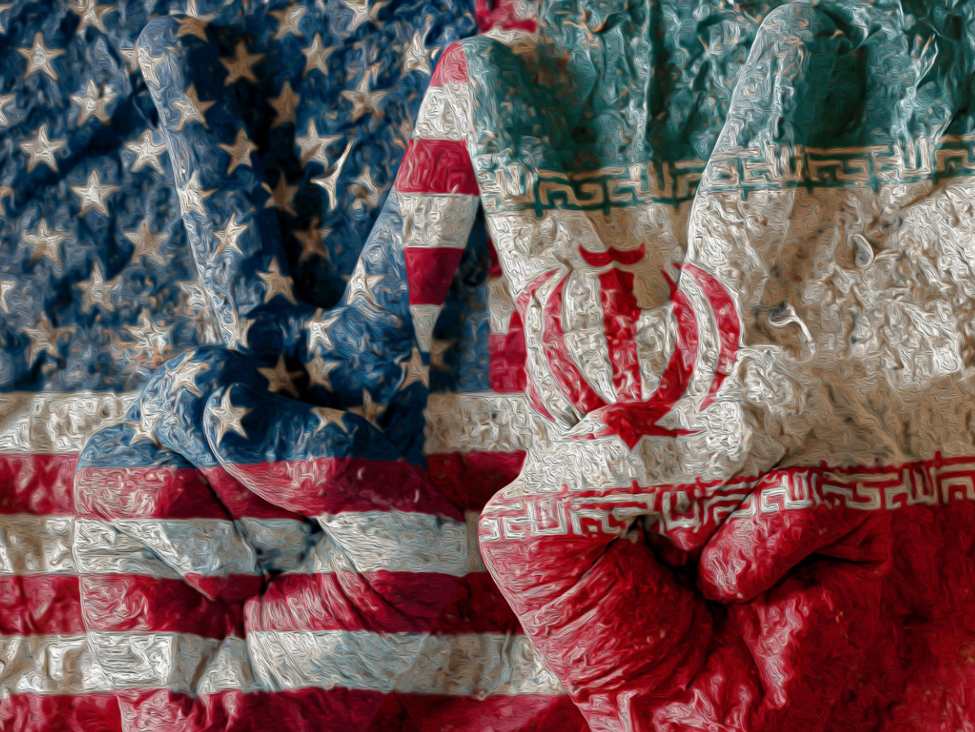
The geopolitical landscape has always been a significant, albeit often unpredictable, factor influencing global financial markets. However, in an increasingly interconnected world, even the nascent and often insulated realm of cryptocurrency finds itself susceptible to the tremors of international relations. Currently, all eyes are fixed on the Strait of Hormuz, a narrow waterway that serves as the world's most important oil transit chokepoint, as renewed tensions between the United States and Iran threaten to destabilize not just energy markets, but the broader financial ecosystem, including digital assets.
For weeks, a cautious optimism has permeated financial circles regarding potential US-Iran talks. Yet, beneath this fragile hope, a palpable anxiety persists, fueled by conflicting reports and the historical volatility of the region. The recent de facto closure of the Strait of Hormuz by Iran, a move reminiscent of past escalations, has sent a clear signal: the stakes are incredibly high, and the path to de-escalation is fraught with peril. This situation presents a complex challenge for crypto investors, who must now weigh geopolitical risks alongside traditional market indicators.
The Geopolitical Chessboard: Iran, US, and the Strait
The Strait of Hormuz, connecting the Persian Gulf with the Gulf of Oman and the Arabian Sea, is a strategic artery through which roughly one-fifth of the world's total oil consumption passes daily. Any disruption to this flow has immediate and severe repercussions on global energy prices, impacting everything from manufacturing costs to consumer spending power. Iran's historical threats and occasional actions to impede shipping in the Strait are not new; they are a well-worn tactic aimed at exerting leverage in international negotiations, particularly concerning sanctions and its nuclear program.
Recent reports suggest Iran has resumed a posture that effectively closes the Strait, though not through overt military action, but by creating an environment of heightened risk and uncertainty for commercial shipping. This 'de facto closure' involves increased naval presence, ambiguous warnings, and a general atmosphere of unpredictability that deters normal maritime traffic. Such actions are typically a response to perceived pressure or a bargaining chip in ongoing or anticipated discussions with Western powers, primarily the United States.
The US, for its part, maintains a significant military presence in the region, aimed at ensuring freedom of navigation and deterring aggression. The dance between these two powers is a delicate one, with each side testing the other's resolve without triggering a full-blown conflict. The current round of talks, or the anticipation of them, is seen as a critical juncture. Is a diplomatic breakthrough imminent, or are we on the precipice of further escalation? The market, including crypto, is holding its breath.
Crypto's Unlikely Sensitivity to Geopolitics
Historically, cryptocurrencies were often touted as a hedge against traditional financial market volatility and geopolitical instability. The narrative was that Bitcoin, being decentralized and not tied to any single government or economy, would act as a 'digital gold' during times of crisis. While this holds true to some extent, particularly for long-term holders in regions experiencing hyperinflation or capital controls, the reality for the broader crypto market is more nuanced.
In recent years, as institutional adoption has grown and crypto markets have become more integrated with traditional finance, their correlation with macro-economic factors has increased. Events that trigger a 'risk-off' sentiment in conventional markets – such as rising oil prices, supply chain disruptions, or geopolitical conflicts – often lead to a sell-off in riskier assets, including cryptocurrencies. The Strait of Hormuz situation exemplifies this.
* Impact on Global Economy: A prolonged disruption in the Strait would send oil prices soaring, potentially triggering global inflation and a recessionary environment. This would reduce disposable income, tighten monetary policy, and make investors more risk-averse, leading to capital flight from speculative assets like crypto. * Investor Sentiment: Uncertainty breeds fear. When headlines are dominated by potential conflict, investors tend to liquidate assets to hold cash or safer havens. Even if crypto is seen as a long-term safe haven, short-term market dynamics are heavily influenced by fear-driven selling. * Liquidity Crunch: A major global economic downturn could also lead to a liquidity crunch, where investors are forced to sell assets, including crypto, to meet margin calls or cover losses elsewhere.
Navigating the Volatility: Expert Analysis and Outlook
Financial analysts are divided on the immediate future. Some believe that the current posturing by Iran is a negotiating tactic, designed to extract concessions before a deal is struck. They point to the economic incentives for Iran to ease sanctions and the US's desire to stabilize global energy markets. Under this scenario, a diplomatic resolution, while perhaps slow, could eventually lead to a market rebound, with crypto potentially benefiting from renewed risk appetite.
Others are more pessimistic, highlighting the deep-seated mistrust and ideological differences that have plagued US-Iran relations for decades. They warn that miscalculations or unintended provocations could quickly escalate, leading to a military confrontation that would send shockwaves through all financial markets. In such a scenario, even Bitcoin, while potentially holding its value better than traditional equities, would likely experience significant short-term downward pressure due to widespread panic and liquidity issues.
For crypto investors, the key is to remain informed and exercise caution. Diversification remains a crucial strategy. While the allure of quick gains is strong, understanding the broader geopolitical context is paramount. Monitoring official statements from both the US and Iran, as well as tracking global oil prices and shipping data from the Strait of Hormuz, can provide valuable insights into the likely direction of events.
The Road Ahead: Diplomacy or Deterioration?
The coming weeks will be critical in determining the trajectory of US-Iran relations and, by extension, their impact on global markets. The world is watching to see if diplomacy can prevail over brinkmanship. A successful resolution, even a partial one, could inject a much-needed dose of stability, allowing risk assets, including cryptocurrencies, to find a more solid footing.
Conversely, a failure of talks or an escalation of tensions in the Strait of Hormuz could usher in a period of heightened volatility and uncertainty, forcing investors to re-evaluate their portfolios. The crypto market, once thought to be immune to such traditional geopolitical factors, is now undeniably part of the global financial tapestry, subject to its intricate and often turbulent dynamics. As PulseWorld continues to monitor these developments, our advice to investors remains consistent: stay vigilant, understand the risks, and prepare for a future where digital assets are increasingly intertwined with the complex realities of international politics.
Stay Informed
Get the world's most important stories delivered to your inbox.
No spam, unsubscribe anytime.
Comments
No comments yet. Be the first to share your thoughts!