Escalating Tensions: US-Iran Standoff Threatens Global Oil Supply in Hormuz
The Strait of Hormuz, a critical chokepoint for global oil transit, is once again at the epicenter of international concern as the United States and Iran engage in a dangerous struggle for control. This escalating confrontation has prompted urgent calls for de-escalation from the international community, fearing severe repercussions for energy markets and regional stability. As both nations assert their dominance, the world watches anxiously, bracing for potential disruptions that could ripple across the global economy. The delicate balance of power in this vital waterway hangs precariously, demanding immediate diplomatic intervention.
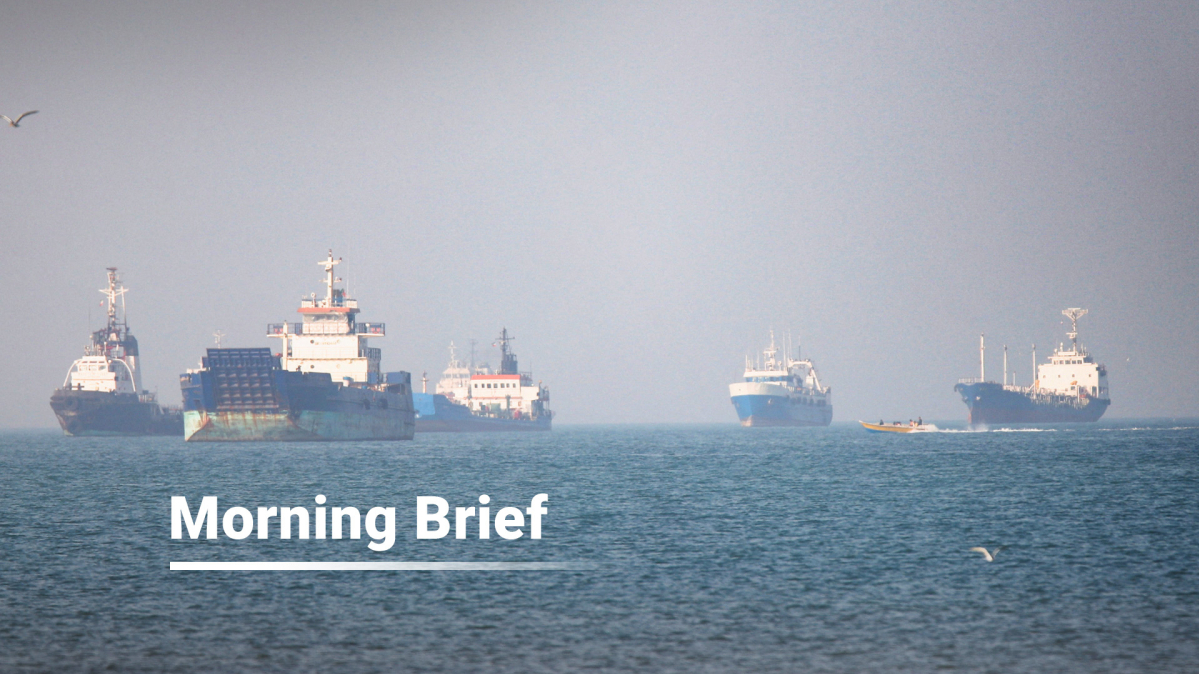
The Strait of Hormuz, a narrow yet immensely strategic waterway connecting the Persian Gulf to the open ocean, finds itself once again at the precipice of a major international crisis. Reports emerging on May 5, 2026, indicate a dangerous escalation in the long-standing rivalry between the United States and Iran, with both nations reportedly vying for control over this critical maritime chokepoint. The international community has reacted with immediate and urgent calls for calm, recognizing the profound implications any direct confrontation could have on global energy markets, regional security, and the broader geopolitical landscape. This latest development underscores the volatile nature of the Middle East and the persistent challenges in managing the complex relationship between Washington and Tehran.
The Strategic Imperative of Hormuz
To understand the gravity of the current standoff, one must first grasp the unparalleled strategic importance of the Strait of Hormuz. Approximately one-fifth of the world's total petroleum liquids consumption, and roughly one-third of all seaborne traded oil, passes through this 21-mile-wide passage at its narrowest point. This includes crude oil, petroleum products, and liquefied natural gas (LNG) from major producers like Saudi Arabia, Iran, Iraq, Kuwait, Qatar, and the UAE. Any significant disruption to this flow would inevitably trigger a massive surge in global oil prices, potentially plunging the world economy into recession. For decades, both the U.S. and Iran have recognized Hormuz as a crucial artery, with the former committed to ensuring freedom of navigation and the latter frequently threatening to close it in response to sanctions or perceived aggression. This inherent tension has made the Strait a perennial flashpoint, a maritime chessboard where geopolitical rivalries play out with high stakes.
Historically, Iran has viewed the Strait as its sovereign backyard, a vital defensive asset, and a potent leverage point against international pressure. Its Revolutionary Guard Corps (IRGC) maintains a significant naval presence, conducting drills and asserting control over its territorial waters. The U.S., on the other hand, through its Fifth Fleet based in Bahrain, has consistently upheld the principle of freedom of navigation, deploying warships to ensure the unimpeded passage of commercial vessels. This fundamental divergence in perspectives forms the bedrock of the current crisis. Past incidents, such as the 1980s "Tanker War" and more recent encounters involving Iranian seizures of commercial ships or harassment of U.S. naval vessels, serve as stark reminders of how quickly tensions can escalate from rhetoric to direct action.
Escalating Rhetoric and Military Posturing
The immediate catalyst for the current international alarm appears to be a heightened level of military activity and increasingly assertive rhetoric from both Washington and Tehran. While specifics remain under wraps, intelligence reports suggest an increase in naval deployments, advanced surveillance operations, and perhaps even minor skirmishes or close encounters between naval assets. Iranian state media has reportedly amplified warnings against foreign interference in its maritime domain, while U.S. officials have reiterated their unwavering commitment to protecting international shipping lanes. This escalating cycle of posturing creates a dangerous feedback loop, where each side's defensive measures are perceived as aggressive provocations by the other. The lack of direct communication channels and a history of mistrust only exacerbate the risk of miscalculation, turning a tense standoff into an uncontrollable conflict.
Expert analysis from think tanks like the International Crisis Group suggests that both sides are likely testing each other's resolve, attempting to gain a strategic advantage without initiating full-scale warfare. However, the inherent risks in such a high-stakes game are immense. A single accidental collision, a misfired warning shot, or a targeted cyberattack on maritime infrastructure could quickly spiral out of control, forcing a military response that neither side genuinely desires but feels compelled to deliver. The current situation echoes past periods of heightened tension, but with a global economy still reeling from recent shocks, the potential consequences are arguably more severe.
International Calls for De-escalation and Diplomatic Pathways
In response to the alarming developments, major international bodies and nations have swiftly issued calls for de-escalation. The United Nations Secretary-General's office released a statement urging all parties to exercise maximum restraint and engage in dialogue. European Union foreign ministers convened an emergency session, emphasizing the need for diplomatic solutions to prevent a wider conflict. China and Russia, while maintaining their own complex relationships with both the U.S. and Iran, have also expressed concern, highlighting the global economic ramifications of any disruption to oil supplies. These calls reflect a widespread understanding that a military confrontation in Hormuz would have no winners, only losers.
However, finding a diplomatic off-ramp remains a formidable challenge. Decades of strained relations, coupled with Iran's nuclear program and regional proxy conflicts, have created deep-seated mistrust. Any negotiation would require significant concessions from both sides, something neither appears eager to offer amidst the current climate of heightened tension. Proposed solutions often involve third-party mediation, confidence-building measures, and a renewed commitment to international maritime law. Yet, the political will to pursue such avenues vigorously often wanes when national pride and perceived security interests are at stake. The immediate priority, as many analysts suggest, is to establish clear communication channels to prevent accidental escalation and to create space for de-escalation talks.
The Global Impact and Forward Outlook
The implications of a sustained or intensified standoff in the Strait of Hormuz are far-reaching. Economically, even the threat of disruption can send oil prices soaring, impacting everything from transportation costs to manufacturing expenses, ultimately hitting consumers' pockets. Geopolitically, a conflict could destabilize the entire Middle East, drawing in regional powers and potentially leading to a broader proxy war. Environmentally, a major incident involving oil tankers could lead to a catastrophic ecological disaster in the sensitive waters of the Persian Gulf.
Looking ahead, the situation demands urgent and sustained diplomatic engagement. While military deterrence plays a role, a lasting solution can only come through dialogue and a mutual understanding of each other's security concerns. The international community, led by the UN and major powers, must exert concerted pressure on both the U.S. and Iran to step back from the brink. The Strait of Hormuz is too vital to the global economy and too sensitive a region to allow for miscalculation. The coming weeks will be critical in determining whether diplomacy can prevail over the dangerous currents of geopolitical rivalry, steering the world away from a potentially devastating confrontation in this indispensable waterway.
Stay Informed
Get the world's most important stories delivered to your inbox.
No spam, unsubscribe anytime.
Comments
No comments yet. Be the first to share your thoughts!