Estonia's Ambitious Defence Play: Building a European Ammunition Powerhouse
Estonia, a nation acutely aware of geopolitical shifts, is embarking on an ambitious project to establish a robust international defence industry base. Driven by lessons from the conflict in Ukraine, the Ministry of Defence is spearheading the development of a 155 mm artillery ammunition plant, a critical step towards securing supply chains and bolstering European defence capabilities. This strategic move, involving international partners, signals Estonia's commitment to enhancing its own security and contributing significantly to NATO's collective strength.
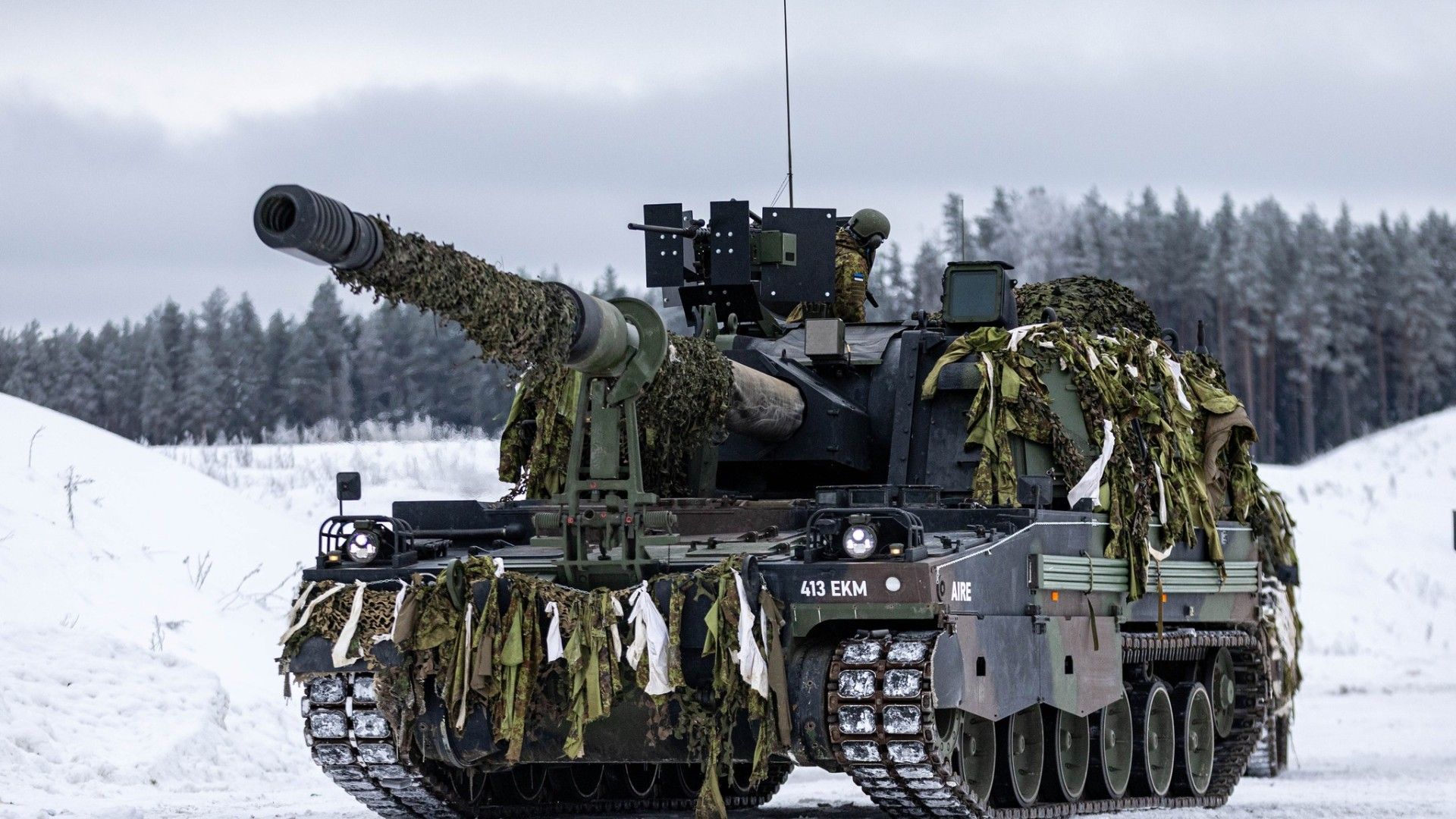
In the shadow of a resurgent geopolitical landscape and the ongoing conflict in Ukraine, small nations often find themselves at the forefront of strategic innovation. Estonia, a Baltic state with a population of just 1.3 million, is a prime example, rapidly transforming its defence posture from consumer to producer. With direct and decisive involvement from its Ministry of Defence, the nation is not merely upgrading its military but actively constructing a significant international defence industry base, poised to become a critical supplier of vital ammunition for Europe and NATO. This bold initiative, particularly the development of a 155 mm artillery ammunition plant, represents a profound shift in national security strategy, driven by the stark realities of modern warfare and the urgent need for supply chain resilience.
The Genesis of a Strategic Imperative: Lessons from Ukraine
The impetus behind Estonia's ambitious defence industrialization is unequivocally the war in Ukraine. The conflict has laid bare critical vulnerabilities in Western defence capabilities, most notably the chronic underproduction of artillery ammunition. As Ukraine burns through shells at a rate far exceeding the combined output of its allies, the strategic importance of a robust, reliable, and rapidly scalable ammunition supply has become painfully clear. For Estonia, a frontline state sharing a border with Russia, these lessons are not abstract; they are existential. The nation's leadership understands that future conflicts may demand sustained, high-intensity conventional warfare, requiring vast quantities of munitions. Relying solely on external suppliers, especially during a crisis, is no longer deemed a viable long-term strategy.
Historically, many European nations, including Estonia, scaled back their defence industrial capacities after the Cold War, embracing a 'just-in-time' logistics model that prioritized efficiency over redundancy. The current geopolitical climate has shattered this paradigm. Estonia's defence planners recognized that to deter aggression and effectively defend its territory, it must contribute actively to the collective defence industrial base. This isn't just about self-sufficiency; it's about strengthening the entire NATO alliance by diversifying production and enhancing overall capacity. The decision to build a 155 mm ammunition factory is particularly strategic because this caliber is the standard for NATO artillery systems, making it a universal requirement across the alliance.
Põhja-Kiviõli: A Hub of European Defence Innovation
At the heart of Estonia's defence industrial strategy is the Põhja-Kiviõli Industrial and Defence Park. This designated zone is envisioned as a nexus for high-tech defence manufacturing, attracting both domestic and international investment. The choice of location is strategic, offering logistical advantages and a secure environment for sensitive production. The most advanced project within this park is the aforementioned 155 mm artillery ammunition factory, a joint venture that underscores the international nature of this endeavour.
The project has garnered significant international interest, with the Turkish company ARCA selected as the primary partner for constructing the ammunition factory. This collaboration is not merely transactional; it represents a deeper commitment to shared security interests and technological exchange. ARCA brings invaluable expertise in defence manufacturing and a proven track record, accelerating Estonia's ability to bring the plant online. Production is ambitiously slated to begin in 2028, a timeline that reflects the urgency of the current security environment. Once operational, the factory is expected to significantly contribute to the European Union's target of producing 1 million artillery shells annually, a goal set to replenish depleted stocks and support Ukraine.
This industrial park is designed to be more than just a single factory. It aims to foster an ecosystem of defence-related industries, including components, research and development, and maintenance facilities. This holistic approach ensures greater resilience, reduces reliance on single points of failure, and promotes innovation within Estonia's burgeoning defence sector. The long-term vision is to establish Estonia as a reliable and technologically advanced contributor to Europe's defence industrial base, capable of producing a range of critical military equipment and components.
Economic Impact and Geopolitical Significance
The economic ramifications of Estonia's defence industry build-up are substantial. The creation of the Põhja-Kiviõli park and the ammunition factory will generate high-skilled jobs, stimulate local economies, and attract further foreign direct investment. It positions Estonia not just as a consumer of defence goods but as a significant producer and innovator, enhancing its economic sovereignty and technological capabilities. This growth will also foster a deeper integration of Estonia's economy with the broader European defence market, creating new opportunities for its domestic industries.
From a geopolitical perspective, this initiative sends a powerful message. It demonstrates Estonia's unwavering commitment to collective defence and its proactive stance in enhancing European security. By investing in its own defence industrial capacity, Estonia reinforces the principle of burden-sharing within NATO and the EU. It signals to potential adversaries that the alliance is serious about replenishing its stocks and maintaining a credible deterrent. Furthermore, by contributing to the supply of critical munitions, Estonia directly supports Ukraine's defence efforts, illustrating practical solidarity and strengthening the resolve of the democratic world.
The decision to build this factory also reflects a broader trend among smaller NATO and EU states to invest more heavily in defence. The current security environment has highlighted that every nation, regardless of size, has a crucial role to play in strengthening the alliance's industrial base. Estonia's project serves as a model for how smaller nations can leverage international partnerships and strategic foresight to make outsized contributions to collective security.
Challenges and the Path Forward
While the vision is clear and the commitment strong, the path forward is not without its challenges. Establishing a complex manufacturing facility like an ammunition plant requires significant capital investment, highly specialized technical expertise, and a robust regulatory framework. Securing a consistent supply chain for raw materials, navigating international trade regulations, and attracting and retaining skilled labor will be ongoing tasks. The 2028 target for production is ambitious, and maintaining momentum will require sustained political will and efficient project management.
However, Estonia's track record of digital innovation and its agile governmental structures suggest it is well-equipped to tackle these hurdles. The direct involvement of the Ministry of Defence from the outset indicates a high level of national priority and streamlined decision-making. Furthermore, the collaboration with experienced international partners like ARCA mitigates some of the technical and operational risks. The long-term success will hinge on continued international cooperation, stable funding, and the ability to adapt to evolving technological and geopolitical landscapes.
In conclusion, Estonia's journey to become a significant player in the international defence industry is a testament to its strategic foresight and resilience. Driven by the harsh lessons of contemporary conflict, the nation is not just preparing for the future; it is actively shaping it. The Põhja-Kiviõli Industrial and Defence Park, with its flagship 155 mm ammunition plant, represents a cornerstone of this transformation, promising not only to bolster Estonia's security but also to make a vital contribution to the collective defence of Europe and the NATO alliance. This initiative underscores a fundamental truth: in an increasingly uncertain world, security is not merely bought; it is built, brick by industrial brick, through strategic investment and unwavering resolve.
Stay Informed
Get the world's most important stories delivered to your inbox.
No spam, unsubscribe anytime.
Comments
No comments yet. Be the first to share your thoughts!