Indonesia's Energy Pivot: Russia to Supply 150 Million Barrels of Oil Amidst Global Shifts
Indonesia has secured a significant energy deal with Russia, with Moscow agreeing to supply up to 150 million barrels of oil. This landmark agreement follows President Prabowo Subianto's recent visit, signaling Jakarta's strategic diversification of energy sources and potentially reshaping geopolitical alignments. The move comes as global energy markets remain volatile, and Indonesia seeks to bolster its energy security and economic stability.
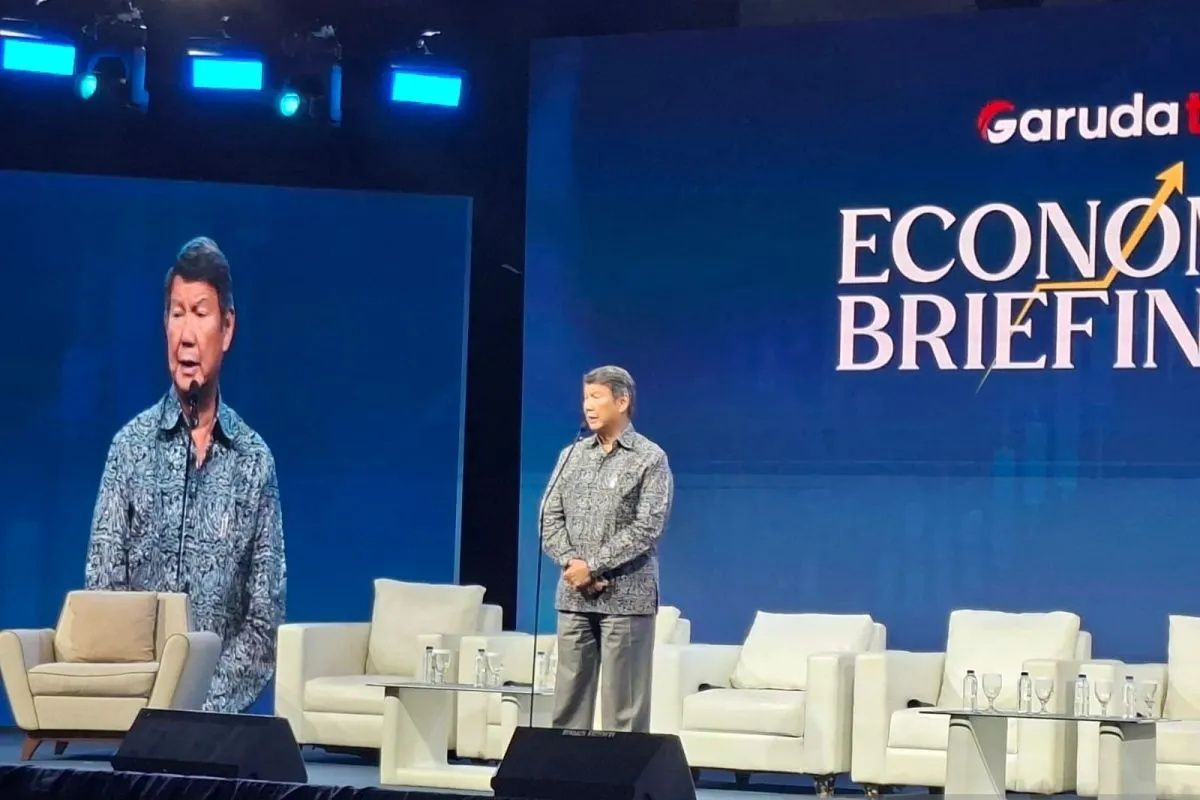
In a move that underscores the shifting sands of global energy geopolitics, Indonesia has announced a landmark agreement with Russia for the supply of up to 150 million barrels of oil. This significant deal, confirmed by special envoy for energy and environment Hashim Djojohadikusumo, follows Indonesian President Prabowo Subianto's recent high-profile visit to Moscow. The announcement, made on Thursday, April 23, signals a deepening of economic ties between the two nations and carries substantial implications for Indonesia's energy security, regional dynamics, and international relations. As nations grapple with volatile energy markets and the imperative of securing stable supplies, Jakarta's pivot towards Moscow represents a bold strategic decision that warrants close examination.
A Strategic Imperative: Indonesia's Quest for Energy Security
Indonesia, Southeast Asia's largest economy and a significant oil and gas producer, has paradoxically become a net importer of crude oil. Rapid industrialization, a burgeoning population, and increasing urbanization have fueled a relentless demand for energy, often outstripping domestic production capabilities. This reliance on imports makes the archipelago nation vulnerable to global price fluctuations and supply chain disruptions. The COVID-19 pandemic and subsequent geopolitical events, particularly the conflict in Ukraine and the resulting Western sanctions on Russia, have exacerbated these vulnerabilities, pushing crude oil prices to unprecedented levels and highlighting the urgent need for diversified and reliable energy sources.
Historically, Indonesia has sourced its oil from a variety of international suppliers, but the scale and direct nature of this agreement with Russia mark a new chapter. For Jakarta, the deal is not merely about securing barrels; it is about price stability, supply reliability, and potentially leveraging its position in a multipolar world. Access to Russian oil, potentially at favorable terms, could offer a crucial buffer against global market volatility and help stabilize domestic fuel prices, which are a sensitive political issue in Indonesia. The long-term implications for Indonesia's energy mix and its national development plans are profound, offering a pathway to sustain its economic growth trajectory without being solely dependent on traditional Western-aligned suppliers.
Geopolitical Realignments: Moscow's Expanding Influence in Asia
From Russia's perspective, this agreement is a significant victory amidst ongoing Western sanctions and efforts to isolate its economy. With traditional European markets largely closed off, Moscow has actively sought to redirect its vast energy exports to new markets, particularly in Asia. Countries like China and India have already substantially increased their intake of Russian oil, often purchasing it at discounted rates. Indonesia's entry into this fold further solidifies Russia's pivot to the East, demonstrating its continued ability to find buyers for its commodities and circumvent the full impact of Western punitive measures.
The deal also serves a broader geopolitical purpose for Russia. By forging stronger economic ties with a prominent ASEAN member state, Moscow enhances its influence in a strategically vital region. This aligns with Russia's foreign policy objective of building a more multipolar world order, challenging the unipolar dominance perceived to be held by the United States and its allies. The agreement allows Russia to project its economic and political power, showing that despite international pressure, it remains a key player in global energy markets and a viable partner for developing nations seeking alternative alliances.
Economic Implications and Market Dynamics
While the exact terms of the deal, including pricing mechanisms and delivery logistics, have not been fully disclosed, the potential economic ramifications are considerable. For Indonesia, securing 150 million barrels represents a substantial portion of its annual oil import needs. This scale suggests a long-term commitment and could lead to significant cost savings if the oil is indeed purchased at a discount, as has been the case with other Asian buyers of Russian crude. These savings could be reinvested in infrastructure, social programs, or used to subsidize domestic fuel prices, easing inflationary pressures.
However, the deal is not without its complexities. Indonesia will need to navigate the intricacies of international sanctions regimes, particularly concerning shipping, insurance, and financial transactions. While Indonesia is not bound by Western sanctions, its financial institutions and shipping companies often rely on global systems that are. Finding compliant mechanisms for payment and transport will be crucial. Furthermore, the increased supply of Russian oil to the Asian market could have broader implications for global oil prices and trade routes, potentially contributing to a rebalancing of energy flows away from traditional Western-centric pathways.
The Prabowo Factor: Diplomacy and Future Trajectories
President Prabowo Subianto's visit to Moscow, a key precursor to this agreement, highlights his administration's pragmatic and independent foreign policy stance. Known for his strong nationalist views and emphasis on national interests, Prabowo appears keen to diversify Indonesia's international partnerships and avoid over-reliance on any single bloc. His engagement with Russia can be seen as part of a broader strategy to assert Indonesia's non-aligned position and maximize its geopolitical leverage.
This deal also sets a precedent for future collaborations. Beyond oil, there is potential for increased cooperation in other sectors, including defense, technology, and infrastructure development. The deepening of ties with Russia could influence Indonesia's stance on various international issues, potentially leading to a more nuanced and independent foreign policy that prioritizes national economic and security interests above ideological alignments. The coming months will reveal the full extent of this strategic shift and how it will be integrated into Indonesia's broader foreign policy framework, particularly as it balances its relationships with both Western powers and emerging global players.
A New Era of Energy Diplomacy
The agreement for Russia to supply Indonesia with 150 million barrels of oil marks a pivotal moment in global energy diplomacy and international relations. For Indonesia, it represents a crucial step towards enhancing energy security and economic resilience in a turbulent world. For Russia, it underscores its successful pivot to Asian markets and its enduring role as a major energy supplier, despite concerted efforts to diminish its global standing. As the world continues to navigate complex geopolitical landscapes and volatile energy markets, such bilateral agreements will increasingly define the contours of the new international order. The implications for regional stability, global trade, and the future of energy supply chains are profound, signaling a new era where nations are actively forging diversified alliances to secure their vital interests. This strategic partnership between Jakarta and Moscow will undoubtedly be watched closely by capitals around the globe, as it may well foreshadow similar shifts in other developing nations seeking to secure their energy future.
Stay Informed
Get the world's most important stories delivered to your inbox.
No spam, unsubscribe anytime.
Comments
No comments yet. Be the first to share your thoughts!