FBI Director Kash Patel's $250M Lawsuit Against The Atlantic: A Battle Over Reputation and Reporting
FBI Director Kash Patel has launched a $250 million defamation lawsuit against The Atlantic, alleging the prestigious magazine published false and harmful claims about his conduct, including accusations of excessive drinking and unexplained absences. This high-stakes legal battle pits a prominent public official against a major media outlet, raising critical questions about journalistic integrity, the boundaries of free speech, and the personal cost of public scrutiny. The case is poised to become a landmark examination of media responsibility in an era of heightened political polarization.
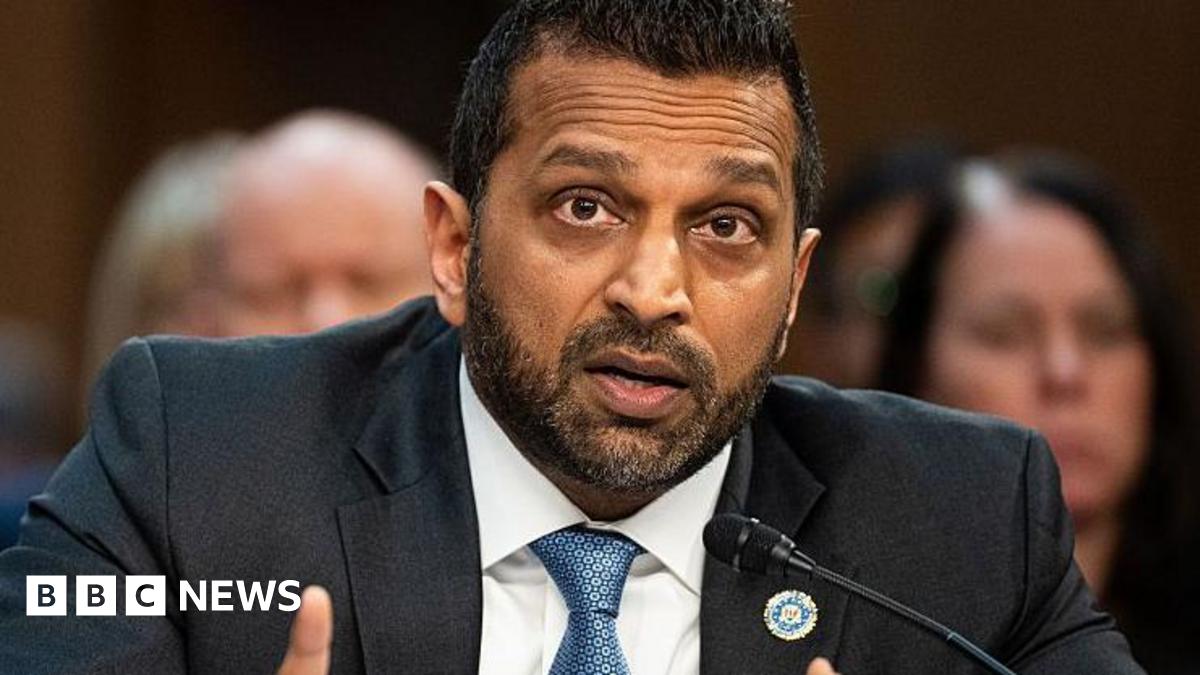
In a move that has sent ripples through both political and journalistic circles, FBI Director Kash Patel has filed a $250 million defamation lawsuit against The Atlantic, a venerable American magazine known for its in-depth reporting and intellectual discourse. The lawsuit, a significant challenge to media freedom and accountability, alleges that The Atlantic published a series of false and damaging claims about Patel's professional conduct, including sensational accusations of excessive drinking and unexplained absences from duty. This legal confrontation is not merely a personal grievance; it represents a critical juncture in the ongoing debate over journalistic ethics, the power of the press, and the right to reputation for public figures.
Patel's complaint asserts that the magazine's reporting painted a deliberately misleading and negative picture of his tenure, undermining his credibility and professional standing. The specific allegations, though not fully detailed in the provided source, are understood to revolve around his performance and personal habits while in office. Such claims, if proven false, could indeed inflict severe reputational and professional damage on a high-ranking official like an FBI Director, whose role demands unwavering public trust and impeccable conduct. The magnitude of the lawsuit—a quarter of a billion dollars—underscores the perceived severity of the alleged harm and Patel's determination to clear his name.
The Anatomy of a Defamation Claim
Defamation lawsuits, particularly those involving public figures and media organizations, are inherently complex. To succeed, Patel will likely need to prove several key elements. Firstly, he must demonstrate that The Atlantic published a false statement of fact concerning him. Opinions, even unflattering ones, are generally protected. Secondly, he must show that the statement was published with fault, meaning the magazine acted with at least negligence, and potentially with "actual malice" given his status as a public figure. Actual malice, a higher standard established by the landmark 1964 Supreme Court case New York Times Co. v. Sullivan, requires proving that the publisher knew the information was false or acted with reckless disregard for its truth or falsity. Thirdly, Patel must establish that he suffered damages as a direct result of the publication, which in this case is quantified at an extraordinary $250 million.
The Atlantic, for its part, will undoubtedly mount a robust defense, likely asserting the truthfulness of its reporting, the journalistic privilege to report on matters of public interest, and potentially arguing that its statements were protected opinion or that Patel cannot meet the high bar of actual malice. The legal process will involve extensive discovery, with both sides delving into internal communications, source materials, and editorial decisions, offering a rare glimpse into the inner workings of a major news organization.
A History of High-Stakes Media Battles
This isn't the first time a prominent public figure has challenged a major media outlet over alleged defamation. The history of American journalism is replete with such confrontations, from General William Westmoreland's 1982 lawsuit against CBS News to Sarah Palin's more recent, though unsuccessful, suit against The New York Times. These cases often become protracted legal sagas, costly for both parties, and frequently end in settlements or verdicts that send strong messages about the boundaries of press freedom and accountability.
One of the most notable recent examples is the Dominion Voting Systems lawsuit against Fox News, which resulted in a $787.5 million settlement for Dominion. While that case involved allegations of knowingly false reporting about election fraud, it highlighted the immense financial and reputational risks media companies face when their reporting is challenged and found to be without sufficient factual basis. The Patel lawsuit, though different in its specifics, echoes this broader theme of accountability for information dissemination in a highly charged political environment.
Implications for Journalism and Public Trust
Beyond the immediate legal ramifications for Patel and The Atlantic, this lawsuit carries significant implications for the broader landscape of journalism and public trust. In an era marked by widespread accusations of "fake news" and declining confidence in media institutions, such high-profile legal challenges can either reinforce the importance of rigorous, ethical reporting or further erode public faith if media outlets are perceived as reckless or malicious.
For journalists, the case serves as a stark reminder of the critical importance of source verification, fact-checking, and editorial diligence. The pressure to break stories and deliver compelling narratives must always be balanced with an unwavering commitment to accuracy and fairness. Conversely, an overly punitive outcome for The Atlantic could be seen as chilling legitimate investigative journalism, making media organizations more hesitant to scrutinize powerful figures for fear of crippling lawsuits.
Transparency: The public will be watching to see how transparent The Atlantic* is in defending its reporting. * Accountability: The case will test the extent to which public officials can hold media accountable for alleged falsehoods. * Precedent: The outcome could set new precedents for how defamation cases involving public figures are handled.
The Road Ahead: A Protracted Legal Battle
The path forward for this lawsuit is likely to be long and arduous. Defamation cases often involve years of litigation, appeals, and intense public scrutiny. Both sides will invest substantial resources in legal teams, expert witnesses, and public relations strategies. The outcome will depend heavily on the specific evidence presented, the interpretations of legal standards by judges and juries, and the ability of each party to persuade the court of their position.
For Kash Patel, the lawsuit is an attempt to reclaim his narrative and restore his professional reputation. For The Atlantic, it is a defense of its journalistic integrity and its right to report freely on matters of public interest. Regardless of the final verdict, this case will undoubtedly leave an indelible mark on the ongoing dialogue about media responsibility, the rights of public figures, and the delicate balance between a free press and the prevention of reputational harm. The world will be watching closely as this high-stakes legal drama unfolds, offering valuable lessons for journalists, public figures, and the public alike on the essential role of truth in a democratic society.
Stay Informed
Get the world's most important stories delivered to your inbox.
No spam, unsubscribe anytime.
Comments
No comments yet. Be the first to share your thoughts!