Galaxy S26 Ultra vs. S26: The Ultimate Camera Showdown Reveals Surprising Truths
Samsung's latest flagship phones, the Galaxy S26 and S26 Ultra, promise cutting-edge photography, but how do their cameras truly compare? A rigorous 200-photo shootout reveals the nuanced differences in image quality, zoom capabilities, and low-light performance. This in-depth analysis helps consumers decide if the Ultra's premium price tag is justified for its photographic prowess or if the standard S26 offers sufficient value.
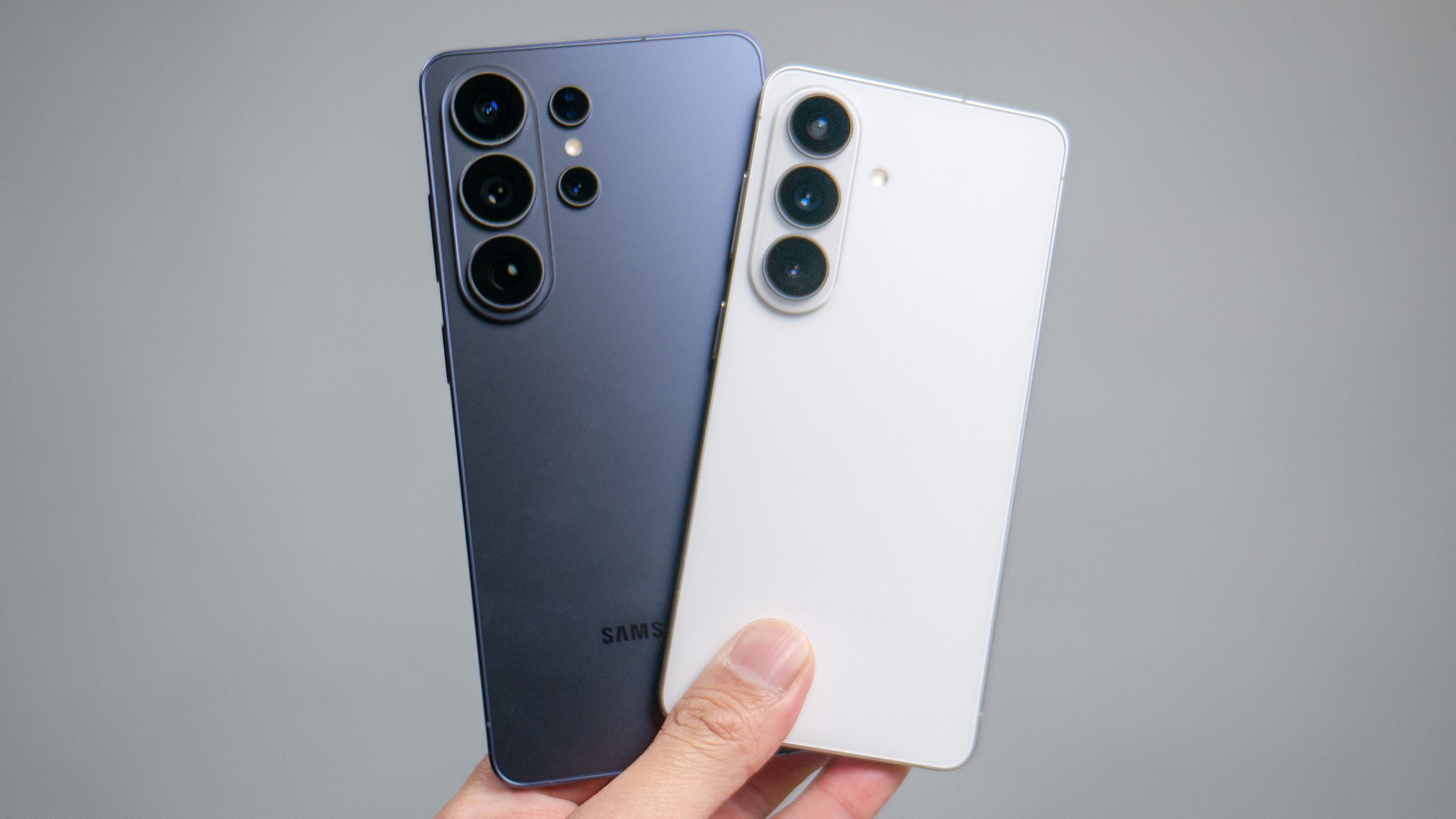
In the fiercely competitive world of smartphone photography, Samsung’s annual flagship launches are always met with intense scrutiny, particularly when it comes to their camera systems. This year, the spotlight falls on the Galaxy S26 and its more premium sibling, the Galaxy S26 Ultra. With a significant price differential, consumers are left wondering: does the Ultra’s superior camera hardware translate into a genuinely superior photographic experience, or does the standard S26 offer enough punch for the average user? To answer this perennial question, a comprehensive shootout involving over 200 photographs was conducted, pitting these two titans against each other across a diverse range of scenarios, from sun-drenched landscapes to challenging low-light environments.
For years, the 'Ultra' moniker in Samsung's lineup has signified the pinnacle of mobile technology, often highlighted by its camera capabilities. Yet, the gap between the standard and Ultra models has sometimes narrowed, making the purchasing decision more complex. This deep dive aims to dissect the photographic output of both devices, offering an expert analysis that goes beyond mere specifications to reveal the true winner in the lens-to-lens battle.
The Hardware Battle: A Tale of Two Camera Arrays
At first glance, the specifications sheet tells a compelling story. The Galaxy S26 Ultra typically boasts a more elaborate camera system, often featuring a higher megapixel count on its main sensor, multiple telephoto lenses with varying optical zoom capabilities, and advanced computational photography enhancements. Historically, this has included a 200MP main sensor, two dedicated telephoto lenses (e.g., 3x and 10x optical zoom), and an ultrawide lens, alongside sophisticated laser autofocus systems. This multi-lens approach aims to provide unparalleled versatility, allowing users to capture everything from expansive landscapes to distant subjects with remarkable clarity.
In contrast, the Galaxy S26 usually offers a more streamlined, yet still highly capable, setup. While it might share the same generation of main sensor technology as the Ultra (albeit potentially with a slightly lower megapixel count, e.g., 50MP), its telephoto capabilities are often less ambitious, perhaps featuring a single 3x optical zoom lens. The ultrawide lens is generally comparable across both models. The underlying philosophy for the standard S26 is to deliver excellent all-around performance for most users without the added complexity and cost of the Ultra's specialized hardware.
This hardware disparity forms the foundation of our comparison. The Ultra's additional lenses, particularly its longer telephoto, are designed to excel in situations where the standard S26 might struggle, such as extreme zooming or portrait shots requiring precise depth information. However, modern computational photography, driven by powerful NPU (Neural Processing Unit) chips, has blurred these lines, allowing less hardware-intensive systems to achieve impressive results through software optimization.
Day vs. Night: Performance in Varied Lighting Conditions
Our extensive shootout began under optimal conditions: bright, natural daylight. In these scenarios, both the Galaxy S26 Ultra and the Galaxy S26 consistently produced stunning images. Colors were vibrant, dynamic range was excellent, and details were sharp. For the casual observer, differentiating between photos taken by either device in good light proved challenging. Both phones leveraged their large sensors and advanced image processing to deliver Instagram-ready shots straight out of the camera.
However, subtle differences emerged upon closer inspection. The Ultra, with its potentially higher megapixel main sensor, sometimes offered a slight edge in fine detail resolution when images were cropped aggressively. Its advanced HDR processing occasionally rendered highlights and shadows with a touch more nuance. But these were marginal gains, often only visible to the trained eye or when pixel-peeping.
The real test came as lighting conditions deteriorated. In low-light and nighttime photography, the Ultra began to assert its dominance more clearly. Its larger main sensor (if applicable) and superior light-gathering capabilities, combined with more sophisticated noise reduction algorithms, often resulted in cleaner images with less noise and better preservation of shadow detail. The Ultra's dedicated night mode also appeared to be more refined, producing brighter, more balanced exposures without sacrificing natural ambiance. The S26, while still performing admirably for its class, sometimes exhibited more noticeable grain and a tendency to slightly over-process to compensate for the lack of light, leading to a less natural look in extreme low-light scenarios.
Zooming In: The Telephoto Advantage
Perhaps the most significant differentiator between the two models lies in their telephoto capabilities. The Galaxy S26 Ultra, with its dual-telephoto system (e.g., 3x and 10x optical zoom), offers unparalleled flexibility for capturing distant subjects. The 10x optical zoom lens, in particular, is a game-changer, allowing users to frame shots that would be impossible with other smartphones. Images captured at 10x optical zoom on the Ultra retained remarkable detail and clarity, making it a powerful tool for wildlife, sports, or architectural photography from a distance.
In contrast, the Galaxy S26 typically features a single 3x optical zoom lens. While this is perfectly adequate for most portrait shots and bringing subjects slightly closer, it cannot compete with the Ultra's reach. Beyond 3x, the S26 relies heavily on digital zoom, which, despite Samsung's impressive computational photography, inevitably leads to a noticeable loss of detail and increased artifacting. Our shootout confirmed this: at 5x zoom, the Ultra's optically zoomed images were vastly superior to the S26's digitally enhanced ones. At 10x and beyond, the S26's output became significantly degraded, whereas the Ultra still produced highly usable, often stunning, results.
This telephoto advantage is a critical factor for users who frequently find themselves needing to zoom in without compromising image quality. For those who rarely use zoom beyond a slight crop, the S26's capabilities will suffice.
The Verdict: Is the Ultra Worth the Premium?
After analyzing over 200 photographs and considering various photographic scenarios, the answer to whether the Galaxy S26 Ultra justifies its premium price tag for its camera system is nuanced but leans towards a resounding yes for specific user profiles. For the casual photographer who primarily snaps photos for social media, family memories, or everyday moments in good lighting, the Galaxy S26 offers exceptional performance. Its camera system is robust, versatile, and capable of producing stunning images that will satisfy the vast majority of users. The advancements in smartphone camera technology have made even the 'standard' flagship incredibly powerful.
However, for the enthusiast photographer, the power user, or anyone who demands the absolute best in mobile photography, the Galaxy S26 Ultra remains the undisputed champion. Its superior low-light performance, unparalleled optical zoom capabilities (especially the 10x telephoto), and subtle advantages in detail retention make it a more versatile and capable tool. The Ultra is designed for those who want to push the boundaries of smartphone photography, capture subjects at extreme distances, or achieve professional-grade results without carrying a dedicated camera.
Historically, the Ultra series has consistently pushed the envelope, introducing features like 100x Space Zoom (though often more of a marketing gimmick than a practical tool) and larger sensors that eventually trickle down to the standard models. The S26 generation continues this trend, albeit with a more refined approach, focusing on tangible improvements in image quality rather than just headline-grabbing numbers. The investment in the Ultra is an investment in photographic range and uncompromising quality, particularly in challenging conditions or when reach is paramount.
Ultimately, the choice hinges on individual needs and budget. If you prioritize value and excellent all-around performance, the Galaxy S26 is an outstanding choice. But if you're a photography aficionado who values every ounce of capability and versatility, the Galaxy S26 Ultra stands as the clear winner, offering a photographic experience that truly sets it apart from its impressive sibling and much of the competition.
Stay Informed
Get the world's most important stories delivered to your inbox.
No spam, unsubscribe anytime.
Comments
No comments yet. Be the first to share your thoughts!