Khartoum's Silent Scream: Film Exposes Sudan War's Devastating Toll on Children
The documentary 'Khartoum' by SASA offers a harrowing look into the lives of Sudanese war victims, particularly focusing on the profound trauma inflicted upon children. Through raw, unfiltered footage, the film captures the daily struggle for survival, displacement, and the psychological scars left by relentless conflict. It serves as a powerful, urgent call for global attention to the humanitarian crisis unfolding in Sudan, highlighting the urgent need for peace and support for its most vulnerable citizens.
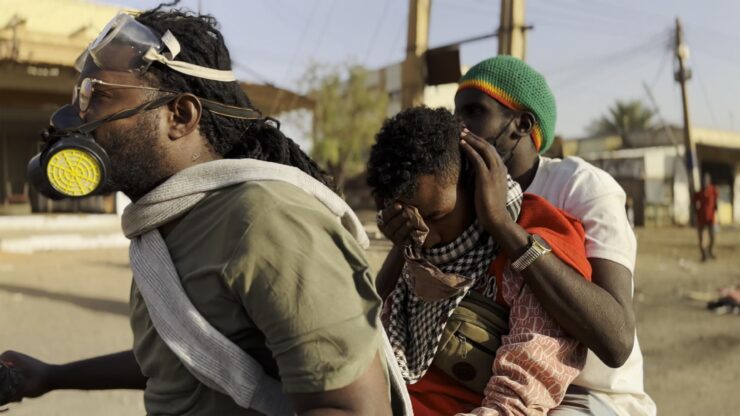
In the heart of an ongoing humanitarian catastrophe, a new documentary emerges as a stark, unflinching mirror to the world: SASA's 'Khartoum'. This powerful film transcends mere reporting, delving deep into the shattered lives of those caught in Sudan's brutal conflict, with a particular, heartbreaking focus on the innocent children whose childhoods have been stolen by the sounds of war. It's a narrative woven from the threads of displacement, fear, and an unimaginable resilience, urging viewers to confront the silent screams emanating from a nation in turmoil.
The Unbearable Weight of War: Childhood Lost
Every child, irrespective of geography or circumstance, deserves a world free from the terror of conflict. They yearn for playgrounds, not battlegrounds; for lullabies, not bomb blasts. Yet, for countless Sudanese children, this fundamental right has been brutally revoked. 'Khartoum' paints a vivid, distressing picture of this reality. The film meticulously documents the daily lives of children who have witnessed horrors no human should ever endure. Their eyes, often wide with a mixture of fear and profound weariness, tell stories of sudden displacement, the loss of loved ones, and the constant, gnawing anxiety of survival. The documentary highlights the pervasive psychological trauma that permeates their existence, manifesting as nightmares, withdrawn behavior, and an inability to process the sheer scale of the violence around them. It's a generation grappling with an invisible wound, one that will undoubtedly shape their future long after the last bullet is fired.
Through intimate interviews and raw, unfiltered footage, SASA brings to light the devastating impact of the conflict on child development. Education is disrupted, healthcare is scarce, and the basic necessities of life are luxuries. Children are not just witnesses; they are often direct victims, suffering from malnutrition, injuries, and the profound emotional distress that comes from living in a perpetual state of emergency. The film serves as a poignant reminder that war's true cost is often borne by those least equipped to understand or cope with it.
A Nation on the Brink: Sudan's Crisis Unveiled
The conflict in Sudan, which erupted in April 2023 between the Sudanese Armed Forces (SAF) and the Rapid Support Forces (RSF), has plunged the nation into an unprecedented humanitarian crisis. The fighting, primarily centered in the capital Khartoum and the Darfur region, has led to widespread destruction, mass displacement, and a severe breakdown of social services. Before this latest escalation, Sudan was already grappling with political instability, economic hardship, and inter-communal violence, making its population particularly vulnerable.
'Khartoum' provides crucial context to this complex crisis, moving beyond headlines to show the human face of the statistics. The film illustrates how millions have been forced to flee their homes, becoming internally displaced persons (IDPs) or refugees in neighboring countries. The scale of displacement is staggering, with the UN estimating over 10 million people displaced since the conflict began. These individuals often live in precarious conditions, lacking adequate shelter, food, and medical care. The documentary subtly weaves in the historical tapestry of Sudan's struggles, from its long-standing ethnic tensions to the legacy of authoritarian rule, helping viewers understand the deep-rooted issues that have culminated in the current catastrophe. It underscores that the current conflict is not an isolated event but a tragic continuation of a cycle of violence and instability.
The Filmmaker's Lens: Bearing Witness and Advocating for Change
SASA, the force behind 'Khartoum', is not just a filmmaker but a chronicler of human suffering and resilience. The documentary's strength lies in its ability to humanize the crisis, transforming abstract numbers into tangible stories of pain and perseverance. The decision to focus on children is particularly impactful, as their vulnerability elicits a universal sense of empathy and urgency. The film's narrative avoids sensationalism, opting instead for a deeply empathetic and observational approach, allowing the subjects' experiences to speak for themselves.
By presenting the raw realities of the conflict, SASA aims to pierce through the global apathy that often surrounds protracted crises. The film is a powerful act of bearing witness, a moral imperative to ensure that the voices of the unheard are amplified. It challenges the international community to move beyond rhetorical condemnations and to take concrete action to alleviate suffering, protect civilians, and work towards a lasting peace. The documentary's release comes at a critical time, as international attention often wanes on conflicts that persist without clear resolution.
Global Implications and the Path Forward
The crisis in Sudan, as depicted in 'Khartoum', has far-reaching implications that extend beyond its borders. The mass displacement fuels regional instability, placing immense pressure on neighboring countries already struggling with their own challenges. The breakdown of governance and the proliferation of armed groups create fertile ground for further radicalization and humanitarian crises. The film implicitly argues that ignoring Sudan's plight is not an option; its destabilization poses a threat to regional and even global security.
For readers and policymakers, 'Khartoum' serves as an urgent call to action. It highlights several critical areas where intervention is desperately needed:
* Humanitarian Aid: Immediate and sustained provision of food, water, medical supplies, and shelter to millions of displaced persons. * Protection of Civilians: Ensuring safe passage for those fleeing conflict and protecting vulnerable populations, especially women and children, from violence. * Diplomatic Pressure: Increased international efforts to broker a lasting ceasefire and a political resolution to the conflict. * Accountability: Investigation and prosecution of war crimes and human rights abuses to deter future atrocities. * Long-term Development: Investment in rebuilding infrastructure, education, and healthcare once peace is established, to prevent a return to conflict.
The film concludes not with a sense of despair, but with a quiet, persistent hope – a hope embodied in the resilience of the Sudanese people, particularly its children. It is a hope that, despite the overwhelming odds, peace can prevail, and a future free from fear can be built. 'Khartoum' is more than a documentary; it is a vital piece of journalism, a plea for humanity, and a powerful catalyst for change. It reminds us that the stories of war's victims are not just statistics, but profound human experiences demanding our attention, empathy, and decisive action. The world cannot afford to look away.
Stay Informed
Get the world's most important stories delivered to your inbox.
No spam, unsubscribe anytime.
Comments
No comments yet. Be the first to share your thoughts!