Kumanjayi Little Baby Killing: Justice Sought as Charges Expected Against Jefferson Lewis
The tragic death of Kumanjayi Little Baby has gripped Australia, particularly Indigenous communities, as police are expected to lay charges against Jefferson Lewis. This case highlights systemic issues within the justice system and the ongoing struggle for accountability and reconciliation. The incident has reignited calls for deeper understanding and reform to address the disproportionate impact of violence on Aboriginal and Torres Strait Islander peoples.
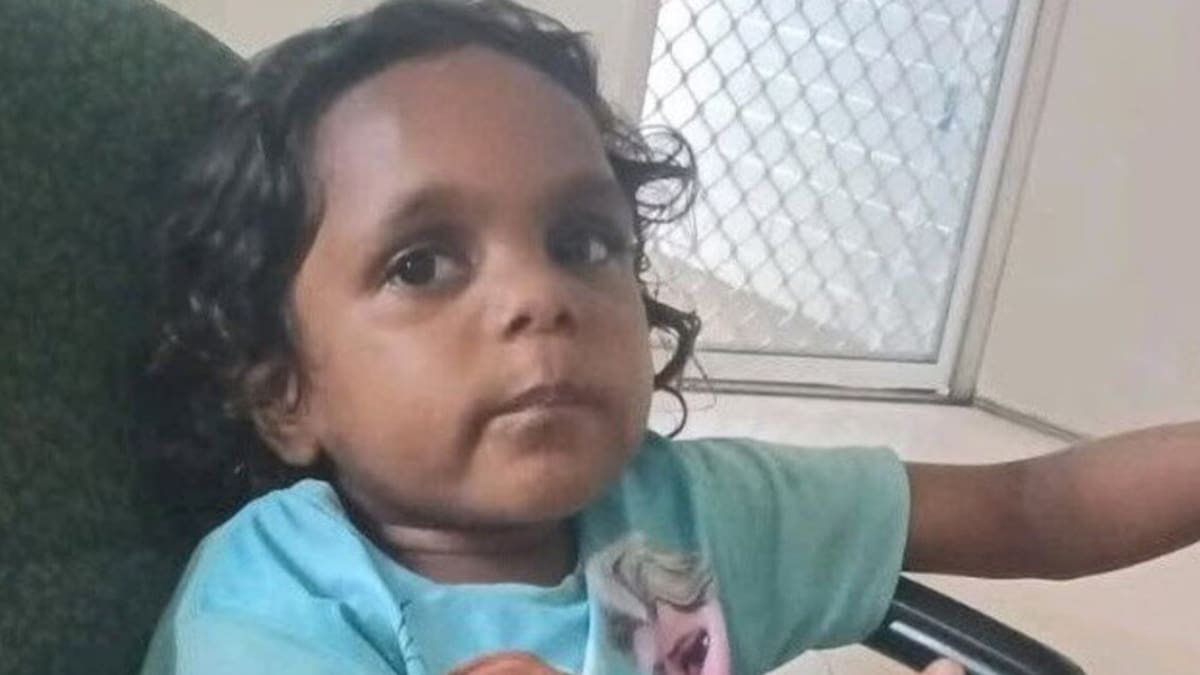
In a nation grappling with its complex past and present, the tragic death of Kumanjayi Little Baby has once again cast a stark light on the profound challenges faced by Australia's Indigenous communities. The anticipation of charges against Jefferson Lewis in connection with the killing marks a pivotal moment, not just for the victim's family and community, but for the broader discourse on justice, accountability, and reconciliation in Australia. This incident, while deeply personal for those directly affected, resonates with a much larger narrative of systemic issues, historical injustices, and the ongoing quest for equitable treatment within the Australian legal framework.
The case has drawn significant public attention, with many watching closely as authorities navigate the delicate balance of investigation and public expectation. The expectation of charges signals a critical step in the legal process, promising a path towards potential closure for a grieving community. However, the emotional weight of such events often transcends legal outcomes, touching upon deep-seated grievances and a yearning for genuine societal change.
The Unfolding Tragedy and Search for Accountability
The details surrounding Kumanjayi Little Baby's death, while still emerging and subject to legal proceedings, have already sparked widespread concern. The announcement that police are expected to lay charges against Jefferson Lewis today, as reported by various media outlets, underscores the gravity of the situation. For the victim's family, this development represents a glimmer of hope for justice, a tangible step in holding someone accountable for an unimaginable loss. The phrase “no one wants to jeopardise anything that gets in the way of bringing the person who did this to justice” encapsulates the public and official sentiment, emphasizing the paramount importance of a thorough and unimpeded legal process.
This incident is not an isolated event but rather fits into a broader pattern of violence and premature deaths that disproportionately affect Aboriginal and Torres Strait Islander individuals. The naming of a deceased Indigenous person, even with the family's permission, carries a heavy cultural significance, often involving protocols to avoid causing distress. The very act of reporting on such a tragedy, therefore, must be handled with immense sensitivity and respect for cultural norms, acknowledging the deep spiritual and communal ties that bind Indigenous families to their loved ones.
The legal process, from investigation to potential trial, will undoubtedly be scrutinized. The community's trust in the justice system hinges on its ability to deliver fair and transparent outcomes, especially in cases involving Indigenous victims. Any perceived misstep or delay can further erode confidence and exacerbate existing tensions, making the police's diligent work in this sensitive period all the more crucial.
Historical Context: A Legacy of Disadvantage and Injustice
To understand the full weight of Kumanjayi Little Baby's death and the ensuing legal proceedings, one must consider the historical backdrop of Aboriginal and Torres Strait Islander peoples in Australia. Centuries of colonization, dispossession, and systemic discrimination have left an indelible mark, creating profound socio-economic disparities and a strained relationship with state institutions, including the police and judicial system.
* Stolen Generations: The forced removal of Indigenous children from their families, a policy that continued well into the late 20th century, severed cultural ties and inflicted intergenerational trauma that continues to impact communities today. * Disproportionate Incarceration Rates: Aboriginal and Torres Strait Islander adults are significantly overrepresented in Australia's prison population. While comprising only about 3% of the national population, they account for over 30% of the incarcerated population. This disparity is even more stark for youth. * Deaths in Custody: A Royal Commission into Aboriginal Deaths in Custody was conducted in the early 1990s, making numerous recommendations to address the high rates of Indigenous deaths in police and prison custody. Despite these recommendations, deaths continue, fueling calls for urgent reform. * Health and Social Outcomes: Indigenous Australians face poorer health outcomes, lower life expectancy, and higher rates of poverty, unemployment, and housing insecurity compared to non-Indigenous Australians. These factors often intersect with interactions with the justice system.
These historical and ongoing issues create an environment where incidents like the killing of Kumanjayi Little Baby are not seen in isolation but as symptoms of deeper, unresolved societal problems. The demand for justice in this case is thus intertwined with a broader demand for recognition, reparation, and systemic change that addresses the root causes of disadvantage and violence.
Expert Analysis and Societal Implications
Legal experts and social commentators are closely watching the developments, noting the potential for this case to become a significant touchstone for Indigenous rights and justice. Dr. Eleanor Vance, a criminologist specializing in Indigenous justice, notes, “Every case involving an Indigenous victim or perpetrator is magnified by the historical context. It’s not just about individual guilt or innocence; it’s about how the system responds, whether it can demonstrate fairness, and whether it can contribute to healing rather than further division.”
The implications extend beyond the courtroom. The incident has reignited public debate on several fronts:
* Police Accountability: The process by which charges are laid and investigations are conducted is under scrutiny. Transparency and adherence to proper procedures are paramount to maintaining public trust, especially within Indigenous communities who have historically experienced over-policing and under-protection. * Media Representation: The way such stories are reported can significantly influence public perception. Responsible journalism, which respects cultural sensitivities and avoids perpetuating stereotypes, is crucial. The initial caution regarding the naming of the deceased person highlights this sensitivity. * Community Healing: Regardless of the legal outcome, the affected community will require significant support for healing. This often involves culturally appropriate services and a recognition of the collective trauma experienced. * Policy Reform: Advocates are likely to leverage this case to push for further reforms in areas such as Indigenous legal aid, police training on cultural awareness, and initiatives to address the underlying social determinants of crime and violence.
The case serves as a poignant reminder that Australia's journey towards reconciliation is far from over. It highlights the urgent need for a justice system that is not only fair in principle but also equitable in practice, acknowledging and addressing the unique historical and contemporary realities of its First Peoples.
Moving Forward: A Call for Empathy and Systemic Change
As the legal process unfolds with the expected charges against Jefferson Lewis, the focus must remain on ensuring that justice is served, not just for Kumanjayi Little Baby, but for the broader community seeking peace and equity. This requires a multifaceted approach that combines rigorous legal procedures with a deep commitment to social justice.
* Support for Victims' Families: Providing comprehensive, culturally sensitive support to the victim's family throughout the legal process is essential. This includes emotional, psychological, and practical assistance. * Community Engagement: Fostering open dialogue and engagement between authorities and Indigenous communities can help build trust and ensure that community perspectives are heard and respected. * Addressing Root Causes: Long-term solutions must tackle the systemic issues that contribute to violence and disadvantage. This means investing in education, health, housing, and employment opportunities in Indigenous communities, and addressing the impacts of intergenerational trauma. * Reconciliation Efforts: The case underscores the ongoing importance of national reconciliation efforts, including initiatives that promote understanding, respect, and self-determination for Aboriginal and Torres Strait Islander peoples.
The death of Kumanjayi Little Baby is a profound tragedy that demands a comprehensive and compassionate response. While the legal system plays a vital role in seeking accountability, true justice will ultimately be measured by society's willingness to confront its past, address present inequalities, and build a future where all Australians, particularly its First Peoples, can live with dignity, safety, and respect. The path ahead is challenging, but the pursuit of justice for Kumanjayi Little Baby serves as a powerful catalyst for much-needed change, urging Australia to move closer to its ideals of fairness and equality for all its citizens.
Stay Informed
Get the world's most important stories delivered to your inbox.
No spam, unsubscribe anytime.
Comments
No comments yet. Be the first to share your thoughts!