Trump Rejects Iran's 'Unsatisfactory' Proposal as Hormuz Standoff Deepens
US President Donald Trump has expressed profound dissatisfaction with Iran's latest negotiating proposal, effectively freezing already tense peace talks. This diplomatic impasse comes as Iran maintains its chokehold on the Strait of Hormuz, severely impacting global energy and fertilizer markets. The US has responded with a counter-blockade, escalating economic warfare and raising fears of a wider conflict. The international community watches anxiously as both nations dig in their heels, with no clear path to de-escalation in sight.
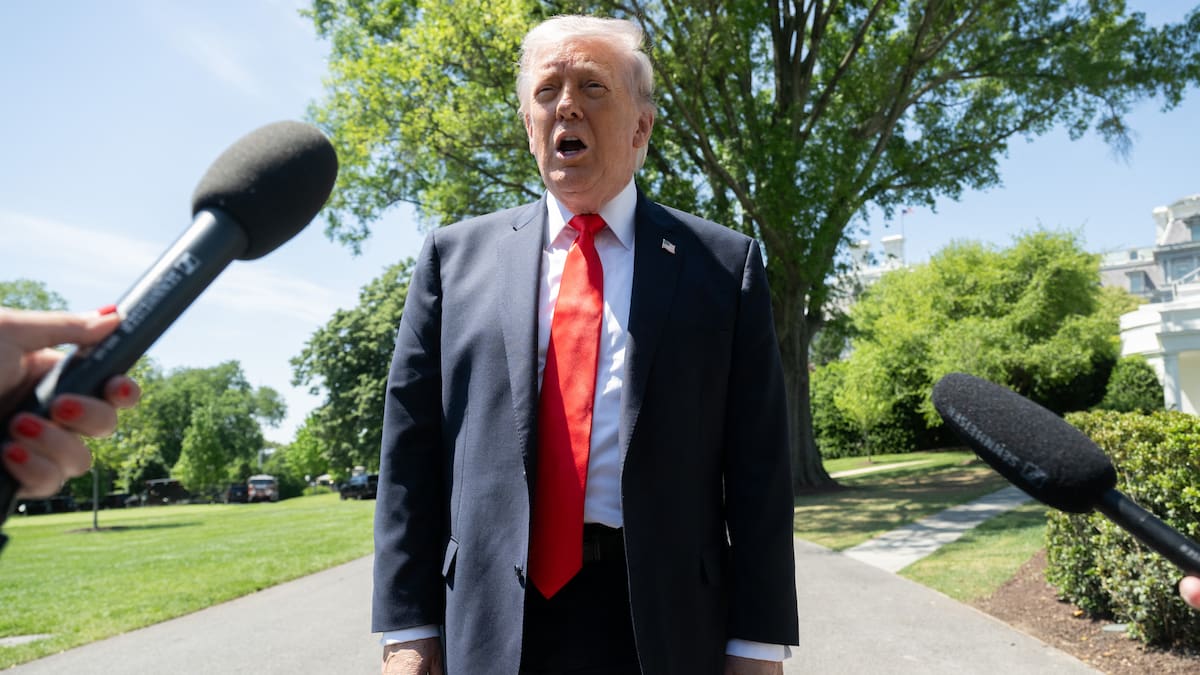
The geopolitical chessboard between the United States and Iran has reached a critical juncture, with US President Donald Trump unequivocally rejecting a new Iranian proposal, deeming it “not satisfied.” This pronouncement has effectively plunged already fragile peace talks into a deep freeze, exacerbating a standoff that has profound implications for global energy markets, international shipping, and regional stability. The core of this escalating tension revolves around Iran’s continued control over the Strait of Hormuz, a vital maritime chokepoint through which a significant portion of the world’s oil, liquefied natural gas (LNG), and other crucial commodities transit.
For months, Iran has leveraged its strategic position, implementing what many observers describe as a de facto stranglehold on the Strait. This has led to a dramatic reduction in the flow of oil, gas, and even agricultural fertilizers to the global economy, sending ripple effects through supply chains and commodity prices worldwide. In response, the United States has intensified its economic pressure, imposing a stringent counter-blockade on Iranian ports, aiming to cripple Tehran’s ability to export its own resources and generate revenue. This tit-for-tat escalation has created a dangerous cycle of action and reaction, with each side pushing the boundaries of economic warfare, raising the specter of direct military confrontation.
The Geopolitical Stakes: Hormuz and Global Commerce
The Strait of Hormuz is not merely a shipping lane; it is the world’s most important oil transit chokepoint. Located between the Persian Gulf and the Gulf of Oman, it is the sole sea passage from the Persian Gulf to the open ocean. Approximately 20% of the world's total petroleum liquids consumption and about one-third of the world’s liquefied natural gas (LNG) passes through this narrow waterway daily. Major oil producers like Saudi Arabia, Iran, UAE, Kuwait, and Iraq rely on it for their exports. Any disruption here has immediate and severe consequences for global energy prices and economic stability. Iran’s current actions, coupled with the US counter-blockade, are creating unprecedented volatility.
The impact extends beyond crude oil. The disruption of fertilizer shipments, for instance, has significant implications for global food security, as many nations rely on these imports for agricultural productivity. The interconnectedness of global supply chains means that blockades in one region can trigger cascading effects across industries and continents. The current situation is a stark reminder of how regional conflicts can quickly become global economic crises, affecting everything from gasoline prices at the pump to the cost of food on supermarket shelves.
A History of Hostility: US-Iran Relations
To understand the current impasse, one must delve into the complex and often fraught history of US-Iran relations. The roots of the current animosity can be traced back to the 1979 Iranian Revolution, which overthrew the US-backed Shah and established an Islamic Republic vehemently opposed to American influence. Decades of sanctions, proxy conflicts, and mutual distrust followed. The 2015 Joint Comprehensive Plan of Action (JCPOA), or Iran nuclear deal, offered a brief respite, aiming to curb Iran’s nuclear ambitions in exchange for sanctions relief. However, President Trump’s withdrawal from the JCPOA in 2018, citing Iran’s ballistic missile program and regional destabilizing activities, reignited tensions and led to the re-imposition of crippling sanctions.
Iran, in turn, has consistently viewed US actions as an attempt at regime change and an infringement on its sovereignty. Its strategic response has often involved asymmetric warfare tactics, including support for regional proxies and, crucially, asserting control over critical maritime routes like Hormuz. This historical context illustrates a deep-seated mistrust that makes diplomatic breakthroughs exceptionally difficult, as each side interprets the other's actions through a lens of past grievances and perceived threats.
Diplomatic Deadlock: The Path Forward?
President Trump's rejection of Iran's latest proposal underscores the profound chasm between the two nations' demands. While the specifics of Iran's proposal remain undisclosed, it is widely believed to have fallen short of US expectations regarding its nuclear program, regional influence, and possibly, the release of detained foreign nationals. For the US, a key demand has been a comprehensive deal that addresses not just nuclear proliferation but also Iran's ballistic missile development and its support for groups like Hezbollah and Houthi rebels.
Iran, on the other hand, insists on the lifting of all US sanctions as a prerequisite for any meaningful negotiations. Tehran views the sanctions as economic warfare designed to break its economy and force concessions. The current environment is characterized by a lack of direct communication channels and a reliance on intermediaries, making genuine progress arduous. Analysts suggest that both sides are currently engaged in a test of wills, each hoping the other will buckle under pressure first. However, this high-stakes game carries significant risks of miscalculation and unintended escalation.
Expert Analysis and Regional Implications
Security analysts and Middle East experts are increasingly concerned about the lack of off-ramps in the current crisis. Dr. Arash Amiri, a senior fellow at the Institute for Global Affairs, notes, “The current posture of both Washington and Tehran is one of maximalist demands and minimal concessions. This creates a dangerous vacuum where minor incidents can quickly spiral out of control.” The region itself is a tinderbox, with various actors – Saudi Arabia, Israel, and other Gulf states – closely monitoring the situation, each with their own security interests and potential for intervention.
* Economic Impact: Continued disruption in Hormuz will likely lead to sustained high oil prices, impacting global inflation and potentially slowing economic recovery post-pandemic. * Regional Instability: The heightened tensions could embolden non-state actors or lead to proxy conflicts flaring up in Iraq, Yemen, or Lebanon. * Humanitarian Concerns: The US counter-blockade, while targeting the regime, often has severe humanitarian consequences for the Iranian populace, potentially fueling internal unrest.
Conclusion: A Precarious Balance
The frozen peace talks and the deepening standoff in the Strait of Hormuz represent a precarious moment in international relations. With President Trump expressing clear dissatisfaction and Iran maintaining its assertive stance, the prospect of a diplomatic resolution appears distant. The world watches nervously as two powerful nations engage in a high-stakes game of economic attrition and strategic posturing. The potential for miscalculation, accidental escalation, or a deliberate act that crosses a red line remains alarmingly high. Until a viable path for de-escalation and genuine dialogue emerges, the global economy and regional stability will remain held hostage by the volatile dynamics between Washington and Tehran, underscoring the urgent need for international mediation and a renewed commitment to diplomacy. The future of global energy security and peace in the Middle East hinges on finding a way to thaw these frozen talks before the situation boils over.
Stay Informed
Get the world's most important stories delivered to your inbox.
No spam, unsubscribe anytime.
Comments
No comments yet. Be the first to share your thoughts!