Middle East on Edge: Israel Strikes Lebanon Amid Ceasefire, Hormuz Reopening Crucial as US-Iran Tensions Soar
The Middle East faces escalating instability as Israel conducts airstrikes in Lebanon, defying an existing ceasefire, while the US deploys a third aircraft carrier to the region. European leaders emphasize the 'vital' need to reopen the Strait of Hormuz amidst stalled US-Iran talks, highlighting the global economic stakes. President Trump's 'shoot and kill' order against Iranian boats further intensifies the volatile situation, raising fears of a broader conflict.
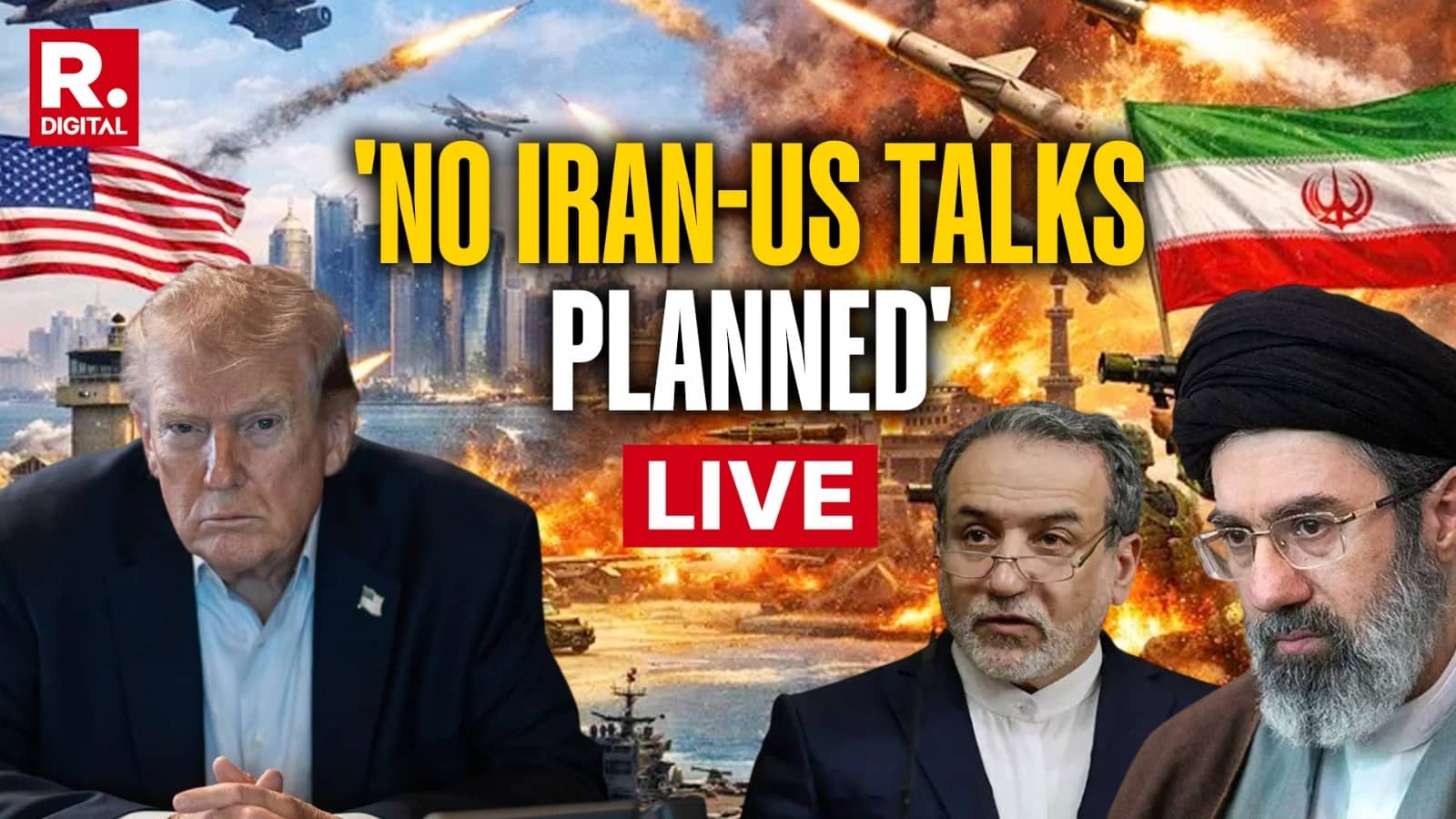
The Middle East, a region perpetually on the brink, finds itself once again teetering precariously close to a full-blown conflagration. Recent developments paint a grim picture of escalating tensions, with Israel conducting airstrikes in Lebanon despite an existing ceasefire, and the United States significantly bolstering its military presence in the Persian Gulf. The international community watches with bated breath, as diplomatic efforts appear to falter and the specter of a wider conflict looms large.
Airstrikes and Broken Ceasefires: Lebanon in the Crosshairs
In a move that has sent shockwaves across the region, Israeli forces have reportedly carried out airstrikes in Lebanon. This action is particularly alarming given the existence of a ceasefire agreement, the specifics of which remain under intense scrutiny but were ostensibly designed to de-escalate hostilities. The immediate aftermath has seen condemnation from various international bodies, though official statements from Jerusalem have been sparse, offering little clarity on the motivations behind the strikes. Analysts suggest these actions could be a preemptive measure against perceived threats from Hezbollah or other Iranian-backed proxies operating within Lebanese territory. However, such unilateral military actions risk unraveling delicate peace processes and could easily provoke a retaliatory response, plunging Lebanon, already grappling with profound economic and political crises, into further chaos. The historical context of Israeli-Lebanese conflicts, marked by cycles of violence and fragile truces, underscores the gravity of this latest development.
The Hormuz Dilemma: Global Economy Holds Its Breath
Simultaneously, the Strait of Hormuz, a critical chokepoint for global oil shipments, has become a focal point of international concern. The European Union has unequivocally stated that the reopening of Hormuz is 'vital,' a sentiment echoed by major economies worldwide. This declaration comes amidst stalled negotiations between the US and Iran, which have failed to yield any tangible progress on de-escalation or a return to the nuclear deal. The closure, or even significant disruption, of the Strait of Hormuz would have catastrophic consequences for the global economy, potentially sending oil prices skyrocketing and triggering a worldwide recession. With approximately 20% of the world's petroleum passing through this narrow waterway, its strategic importance cannot be overstated. The EU's urgent call reflects not just a concern for regional stability, but a desperate plea to safeguard the fragile global supply chain from the economic fallout of military confrontation.
US Military Buildup: A Show of Force
Adding another layer of complexity and danger to the already volatile situation is the significant increase in US military assets in the region. The USS George H.W. Bush, a formidable aircraft carrier, has now joined two other US carriers, creating an unprecedented concentration of American naval power in the Persian Gulf. This deployment sends an unmistakable message of deterrence to Iran, underscoring Washington's readiness to protect its interests and allies. However, such a massive show of force also carries inherent risks. The proximity of highly capable military assets from opposing sides significantly increases the potential for miscalculation or accidental engagement, which could rapidly spiral out of control. President Trump's reported order to 'shoot and kill' Iranian boats suspected of laying sea mines further elevates the stakes, transforming what might have been a game of brinkmanship into a potentially lethal standoff. This aggressive posture, while intended to project strength, is viewed by some as dangerously provocative, narrowing the diplomatic off-ramps available to both sides.
Stalled Diplomacy and the Path Forward
The current crisis is exacerbated by the apparent breakdown of meaningful diplomatic channels between Washington and Tehran. Despite initial hopes for dialogue, talks have stalled, with both sides seemingly entrenched in their positions. The US insists on a comprehensive deal addressing Iran's nuclear program, ballistic missile development, and regional proxy activities, while Iran demands the lifting of sanctions and a return to the original Joint Comprehensive Plan of Action (JCPOA) without preconditions. This diplomatic impasse leaves little room for de-escalation, making military options appear increasingly plausible. International mediators, including the EU and various UN envoys, continue to urge restraint and a return to the negotiating table, recognizing that a military conflict in the Middle East would have devastating and unpredictable consequences far beyond the region's borders. The proposed meeting between President Trump and Israeli and Lebanese leaders, while a positive sign, faces immense hurdles given the current climate of mistrust and open hostility.
The Perilous Path Ahead
The confluence of these events – Israeli airstrikes in Lebanon, the critical status of the Strait of Hormuz, and the substantial US military buildup – paints a picture of a region on the precipice. The stakes are incredibly high, not just for the immediate parties involved, but for global stability and the world economy. The international community faces an urgent imperative to facilitate de-escalation and foster dialogue before the current tensions boil over into an irreversible conflict. The coming weeks will be crucial, determining whether diplomacy can still prevail or if the Middle East is destined for another chapter of devastating warfare. The world watches, hoping for a peaceful resolution, but preparing for the worst, as the delicate balance of power in one of the world's most volatile regions hangs by a thread. The lessons of past conflicts underscore the need for extreme caution and strategic foresight to avert a catastrophe that no one truly desires, yet everyone seems to be drifting towards. The path ahead is fraught with peril, demanding statesmanship and compromise from all actors involved to navigate away from the brink.
Stay Informed
Get the world's most important stories delivered to your inbox.
No spam, unsubscribe anytime.
Comments
No comments yet. Be the first to share your thoughts!