Zimbabwean Exotic Leather: Tapping into China's Lucrative High-End Market with Zero Tariffs
Zimbabwean exotic leather producers are poised for significant expansion into China's high-end market, driven by a new zero-tariff policy for 53 African nations. This strategic move, effective May 1, promises to unlock unprecedented opportunities for luxury goods manufacturers like Front Page Leather Products. The initiative highlights a growing trend of South-South cooperation and could redefine global luxury supply chains, offering sustainable growth for Zimbabwean artisans and a diverse array of premium products for Chinese consumers.
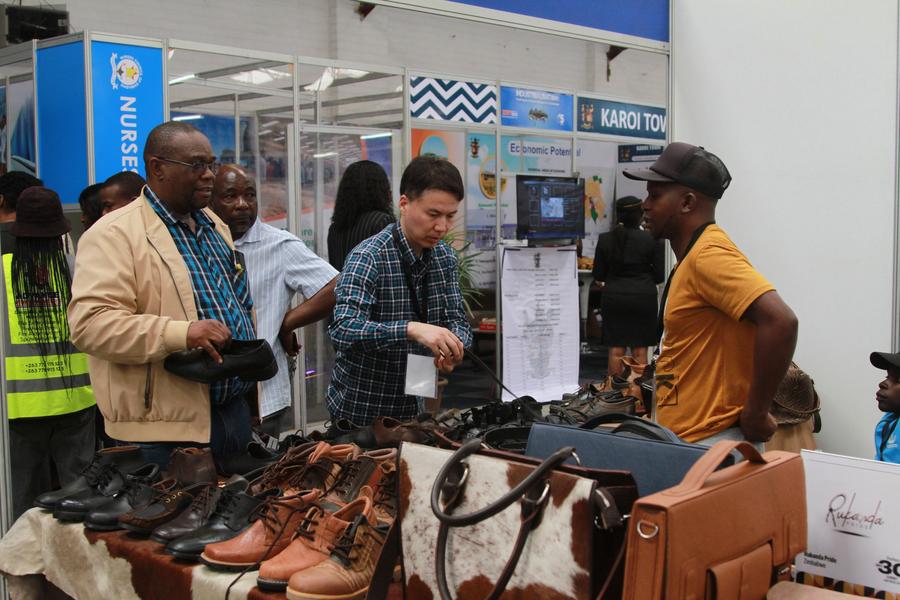
In a significant geopolitical and economic development, Zimbabwean exotic leather producers are gearing up for a major expansion into China's discerning high-end market. This ambitious push is being propelled by a groundbreaking zero-tariff treatment policy, set to take effect on May 1, which will benefit products from 53 African countries maintaining diplomatic ties with Beijing. The initiative marks a pivotal moment for African economies, particularly for niche industries like exotic leather, which stand to gain unprecedented access to one of the world's most lucrative consumer bases.
The announcement has sent ripples of excitement through Zimbabwe's luxury goods sector. Ivy Mushunje, co-director of Front Page Leather Products, articulated this optimism on the sidelines of the ongoing Zimbabwe International Trade Fair, highlighting the immense potential for growth. "This zero-tariff treatment is a game-changer for us," Mushunje stated, emphasizing how the removal of import duties will significantly enhance the competitiveness of their products in the Chinese market. For years, tariffs have acted as a barrier, making it challenging for smaller, high-quality producers to compete with established global brands. Now, the playing field is leveling, opening doors for direct market entry and fostering brand recognition for Zimbabwean craftsmanship.
A Strategic Pivot: China's Growing Appetite for Luxury
China's luxury market is a behemoth, characterized by rapid growth and an insatiable demand for high-quality, unique, and ethically sourced products. Projections indicate that Chinese consumers will account for nearly 40% of global luxury spending by 2025. This burgeoning market, driven by a rising middle class and an increasing appreciation for craftsmanship and exclusivity, presents an ideal target for Zimbabwean exotic leather. Unlike mass-produced goods, exotic leather items – crafted from crocodile, ostrich, and python skins – offer a unique blend of durability, aesthetic appeal, and a story of origin that resonates with discerning luxury buyers.
Historically, African luxury goods have struggled to penetrate international markets due to various factors, including logistical challenges, lack of marketing infrastructure, and prohibitive tariffs. China's zero-tariff policy directly addresses one of these critical barriers, effectively reducing the final cost for consumers and increasing profit margins for producers. This policy is not merely an economic gesture; it is a strategic move by China to deepen its economic ties with Africa and diversify its import sources, aligning with its broader Belt and Road Initiative which seeks to enhance connectivity and trade across continents.
Quality and Sustainability: Cornerstones of Zimbabwean Leather
One of the key strengths of Zimbabwean exotic leather producers lies in their commitment to quality and ethical sourcing. The country is renowned for its stringent wildlife management practices, ensuring that skins are obtained through sustainable and regulated means. This commitment to sustainability is increasingly important for global consumers, particularly in the luxury segment, where ethical considerations play a significant role in purchasing decisions. Brands like Front Page Leather Products emphasize the traceability of their materials, providing assurance to buyers about the origin and ethical treatment of the animals.
Furthermore, the craftsmanship involved in producing these leather goods is often a generational skill, honed over decades. Zimbabwean artisans transform raw skins into exquisite handbags, wallets, belts, and other accessories, each piece reflecting meticulous attention to detail and a deep understanding of the material. This blend of traditional artistry with modern design sensibilities is a powerful selling point in the competitive luxury market. The zero-tariff policy will allow these artisans to directly showcase their unparalleled skill to a global audience, bypassing intermediaries and potentially establishing direct relationships with high-end boutiques and consumers in China.
Economic Impact and Future Prospects
The implications of this policy extend far beyond individual businesses. For Zimbabwe, the expansion into the Chinese market represents a significant opportunity for economic diversification and job creation. The exotic leather industry, from farming and tanning to manufacturing and retail, employs thousands of people. Increased demand from China will likely lead to: * Increased production capacity: necessitating investment in new facilities and technology. * Job growth: across the entire value chain, from raw material processing to finished product manufacturing and export logistics. * Skills development: as producers seek to meet international standards and innovate designs. * Foreign currency earnings: boosting Zimbabwe's national economy.
Moreover, this move could inspire other African nations to leverage similar trade agreements, fostering a more robust South-South trade network. It highlights a shift away from traditional North-South economic models, empowering developing nations to forge direct commercial links that benefit their local industries. The success of Zimbabwean leather in China could serve as a blueprint for other African luxury and specialty goods, from textiles to artisanal crafts, to find their footing in global markets.
Navigating the Chinese Market: Challenges and Opportunities
While the zero-tariff policy removes a major hurdle, Zimbabwean producers will still need to navigate the complexities of the Chinese market. This includes understanding consumer preferences, adapting marketing strategies, and building strong distribution networks. Brand building will be crucial, requiring investment in digital marketing, e-commerce platforms, and potentially partnerships with local Chinese distributors or luxury retailers. Cultural nuances in design and presentation will also need careful consideration to appeal to the Chinese aesthetic.
However, the opportunities far outweigh the challenges. The direct access provided by the zero-tariff policy means that Zimbabwean brands can now compete on quality and design, rather than being disadvantaged by price. This allows them to tell their story more effectively, highlighting the unique heritage, craftsmanship, and sustainability of their products. As China's luxury consumers increasingly seek authenticity and exclusivity, Zimbabwean exotic leather is perfectly positioned to meet this demand.
In conclusion, the impending implementation of China's zero-tariff policy for African products is a watershed moment for Zimbabwean exotic leather producers. It promises to unlock a vast and eager market, fostering economic growth, job creation, and international recognition for their exceptional craftsmanship and sustainable practices. This strategic alignment between Zimbabwe and China not only redefines trade relations but also sets a powerful precedent for how developing nations can leverage targeted trade policies to elevate their industries onto the global stage. The world watches as Zimbabwean luxury finds its new home in the heart of China's high-end retail landscape, marking the beginning of a vibrant new chapter in international trade and luxury consumption.
Stay Informed
Get the world's most important stories delivered to your inbox.
No spam, unsubscribe anytime.
Comments
No comments yet. Be the first to share your thoughts!