Plateau's Paradox: Can Mutfwang's 'Haven' Doctrine Endure Amidst Escalating Violence?
Governor Caleb Mutfwang has declared Plateau State a permanent sanctuary for displaced Nigerians, a bold stance amidst a recent surge in brutal attacks on rural communities. This commitment, rooted in a history of hospitality, faces immense challenges as sectarian violence and resource conflicts intensify. The article explores the complexities of maintaining peace and providing refuge in a region plagued by deep-seated tensions and a struggling security apparatus.
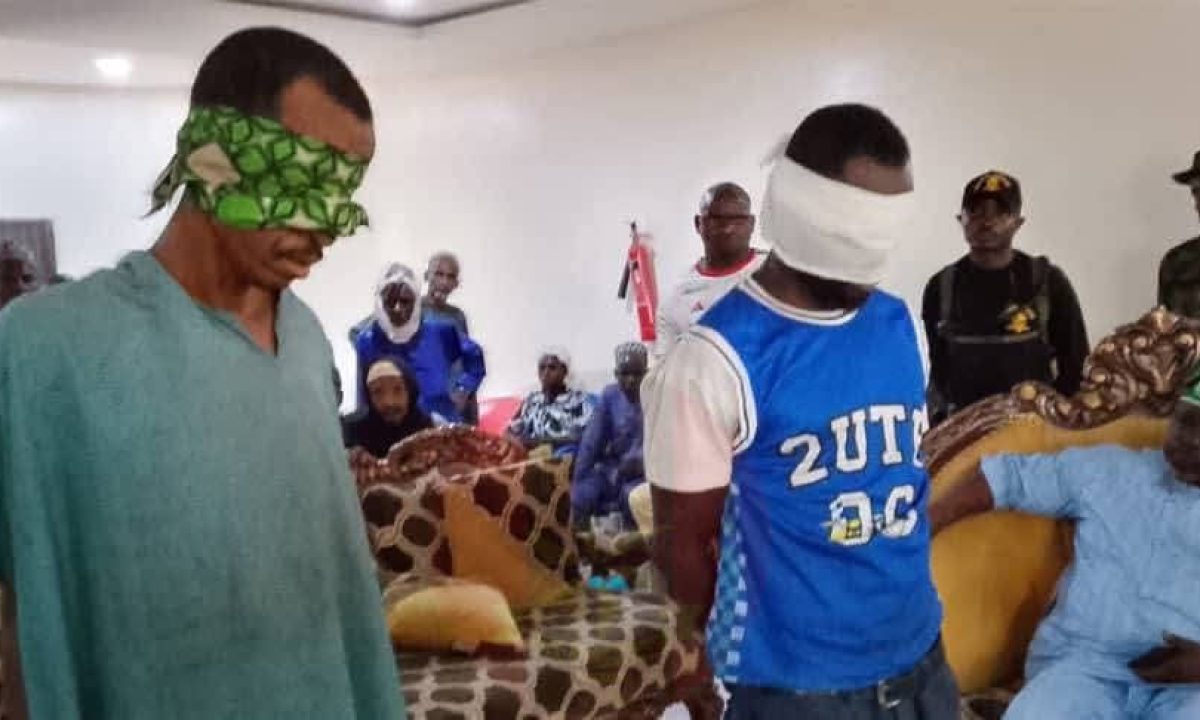
In the heart of Nigeria, a profound paradox unfolds. Plateau State, often dubbed the 'Home of Peace and Tourism,' finds itself at a critical juncture, grappling with a renewed wave of violence that threatens its very identity. Despite the escalating brutality, Governor Caleb Mutfwang has issued a resolute declaration: Plateau will remain a permanent haven for displaced persons from across Nigeria’s North East and North Central regions. This unwavering commitment, while laudable, raises urgent questions about the state's capacity to protect its own citizens, let alone those seeking refuge within its borders, amidst a surge in tactical attacks on rural communities.
The Governor’s pronouncement comes at a time when the echoes of gunfire and the cries of the displaced are becoming tragically familiar. Recent reports detail horrific incidents, including the Christmas Eve massacres that claimed over 150 lives, and subsequent attacks in areas like Mangu and Bokkos. These events underscore a grim reality: the 'Haven' doctrine, while noble in spirit, is being tested by forces that exploit ethnic and religious divisions, compounded by issues of land, resources, and governance failures. PulseWorld investigates the intricate layers of this crisis, examining the historical context, the current challenges, and the precarious path forward for a state striving to be a beacon of hope.
A History of Hospitality Under Siege
Plateau State has long been known for its welcoming spirit and diverse population. Strategically located at the crossroads of Nigeria's predominantly Muslim North and Christian South, it has historically absorbed waves of migrants and internally displaced persons (IDPs) fleeing conflict in other parts of the country. This tradition of hospitality is deeply embedded in the cultural fabric of many indigenous communities, who view offering refuge as a humanitarian imperative. However, this very openness has, at times, made the state vulnerable to external pressures and internal strife. The influx of people, while enriching, has also strained resources and exacerbated pre-existing tensions, particularly over land use between agrarian communities and pastoralists.
For decades, Plateau has experienced cycles of violence, often framed as ethno-religious conflicts but frequently rooted in competition for fertile land and grazing routes. The Jos crisis of the early 2000s, for instance, left an indelible scar, highlighting the fragility of peace in a multi-ethnic, multi-religious society. While the state has made concerted efforts to foster reconciliation and build inter-communal harmony, the underlying grievances have never been fully resolved. The current wave of attacks, often characterized by their organized and sophisticated nature, suggests a more insidious agenda than mere spontaneous clashes. These are not random acts; they are often tactical assaults designed to displace populations and seize territory, further complicating the narrative of Plateau as a safe haven.
The Anatomy of the Current Crisis
The recent surge in violence is distinct in its intensity and methodology. Unlike previous sporadic clashes, the current attacks often involve well-armed groups, sometimes described as 'bandits' or 'terrorists,' who target vulnerable rural communities with precision and brutality. Eyewitness accounts speak of coordinated raids, burning of homes, destruction of farmlands, and the systematic killing of residents, including women and children. The economic impact is devastating, as agricultural communities, the backbone of the state's economy, are forced to abandon their livelihoods, leading to food insecurity and further displacement.
Governor Mutfwang's administration faces an uphill battle. While his declaration of Plateau as a haven is a powerful statement of intent, the practicalities are daunting. The state's security apparatus is often overwhelmed and under-resourced. Federal security forces, including the Nigerian Army and Police, have a presence, but their effectiveness is frequently questioned by local populations who feel unprotected. There are accusations of slow response times, insufficient deployment, and, in some cases, complicity or inaction. The lack of accountability for perpetrators further emboldens attackers and erodes public trust in the state's ability to deliver justice and security.
Moreover, the humanitarian crisis is spiraling. Thousands have been displaced, seeking shelter in makeshift camps, schools, or with relatives. These IDPs require urgent humanitarian assistance, including food, water, medical care, and psychological support. The strain on state resources is immense, and international aid, while present, is often insufficient to meet the growing needs. The long-term implications for education, health, and economic development are dire, creating a vicious cycle of poverty and instability.
Expert Analysis and Implications
Security analysts and human rights organizations have consistently pointed to the multifaceted nature of the conflict in Plateau. Dr. Aminu Hassan, a conflict resolution expert at the University of Jos, notes, "The simplistic framing of these conflicts as purely ethno-religious misses the deeper currents of resource scarcity, climate change, and governance deficits. As desertification pushes pastoralists southwards, and population growth increases pressure on land, competition intensifies. This is then exploited by criminal elements and, at times, political actors, to fuel violence." He emphasizes that without addressing these root causes, any declaration of a 'haven' will remain aspirational rather than a lived reality.
The implications for Nigeria are profound. If a state like Plateau, known for its relative stability and diversity, cannot secure its borders and protect its citizens, it sends a chilling message about the broader security challenges facing the nation. The erosion of trust in government institutions, the rise of self-defense groups, and the proliferation of arms all contribute to a volatile environment. Furthermore, the persistent displacement of communities has long-term demographic and political consequences, potentially altering the social fabric of the state and exacerbating future conflicts.
The Path Forward: Beyond Declarations
To truly embody the 'haven' doctrine, Plateau State must move beyond declarations to implement robust, multi-pronged strategies. Key areas of focus must include:
* Enhanced Security Operations: A more proactive and intelligence-led approach to security, with increased deployment of well-equipped and motivated security personnel. This must include swift response mechanisms and effective prosecution of perpetrators to deter future attacks. * Community-Based Peacebuilding: Investing in local peace initiatives, inter-faith dialogues, and traditional conflict resolution mechanisms. Empowering community leaders and youth to become agents of peace is crucial. * Land Use Reforms and Resource Management: Developing clear, equitable, and enforceable land ownership and usage policies. Addressing the grievances of both farmers and pastoralists through sustainable resource management strategies. * Humanitarian Aid and Rehabilitation: Providing comprehensive support for IDPs, including safe return programs, reconstruction of destroyed communities, and long-term livelihood support. * Good Governance and Accountability: Strengthening institutions, promoting transparency, and ensuring that justice is served for victims of violence. This includes holding security forces accountable for their actions or inactions.
Governor Mutfwang's commitment to making Plateau a haven is a testament to the enduring spirit of resilience and hospitality that defines its people. However, for this vision to materialize, it requires more than just words; it demands decisive action, sustained political will, and the collective effort of all stakeholders. The future of Plateau, and indeed a significant part of Nigeria, hinges on whether this paradox can be resolved – transforming a state under siege into a genuine sanctuary where peace, not violence, reigns supreme. The world watches, hoping that the 'Home of Peace' can reclaim its name and offer true refuge to all who seek it.
Stay Informed
Get the world's most important stories delivered to your inbox.
No spam, unsubscribe anytime.
Comments
No comments yet. Be the first to share your thoughts!