Red Diesel Crisis: UK Farmers Face Existential Threat as Costs Soar, Food Security at Risk
British farmers are grappling with unprecedented financial strain as the price of red diesel, essential for agricultural operations, continues to skyrocket. This crisis, exemplified by Lincolnshire farmer Harriet White, is forcing families to make agonizing choices, from reconsidering planting future crops to cutting back on basic necessities like childcare. Experts warn of severe implications for the UK's food security and agricultural landscape, urging immediate government intervention to prevent a systemic collapse.
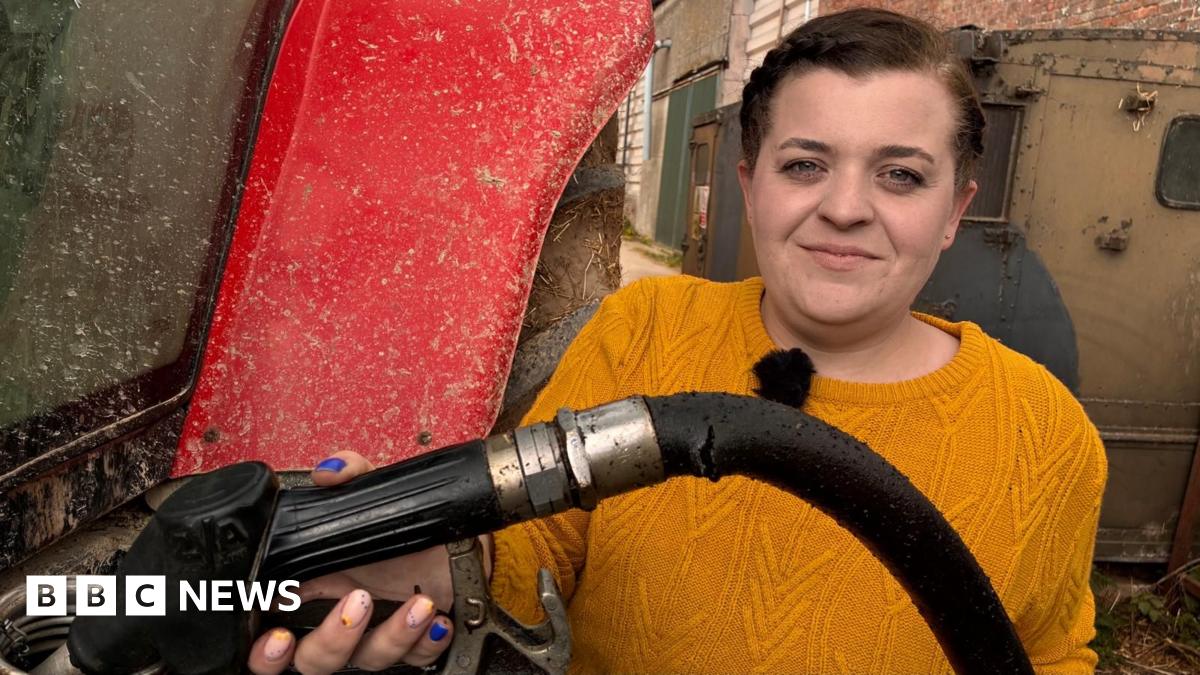
In the verdant, rolling fields that define much of the British countryside, a silent crisis is unfolding, threatening the very foundations of the nation's food supply. Farmers, the custodians of our land and providers of our sustenance, are being pushed to the brink by an economic storm fueled by the soaring cost of red diesel. This vital, rebated fuel, indispensable for powering tractors, harvesters, and other heavy machinery, has seen its price surge to levels that are making once-sustainable agricultural practices financially untenable. The plight of Harriet White, a dedicated farmer near Mablethorpe in Lincolnshire, encapsulates the grim reality faced by thousands across the UK. Her family, like many others, is meticulously scrutinizing every penny, even contemplating the difficult decision of cutting back on their young son's nursery fees – a stark illustration of the profound personal sacrifices being made in the face of an industry-wide crisis.
The Unseen Burden: Red Diesel's Critical Role and Cost Escalation
Red diesel, essentially regular diesel with a red dye added to distinguish it for off-road use, benefits from a significantly reduced excise duty compared to white diesel. This tax concession is a historical recognition of agriculture's crucial role and its high fuel demands. For decades, it has been a cornerstone of farming economics, allowing producers to manage operational costs and keep food prices relatively stable. However, the global energy market volatility, exacerbated by geopolitical tensions and supply chain disruptions, has sent fuel prices spiraling upwards. While the rebate remains, the base price of the fuel itself has become prohibitively expensive. Farmers often operate on razor-thin margins, where fuel can account for a substantial portion of their variable costs, sometimes up to 20-30% of their total expenditure during peak seasons like planting and harvest. A 50% increase in fuel costs, for example, can wipe out an entire season's profit, leaving farmers with difficult choices. The National Farmers' Union (NFU) has highlighted that many farmers are now paying more for red diesel than they were for white diesel just a few years ago, effectively nullifying the benefit of the rebate and placing an unprecedented burden on their balance sheets.
Beyond the Farm Gate: The Ripple Effect on Families and Communities
Harriet White's dilemma concerning her son's nursery fees is not an isolated incident; it's a poignant symptom of a much larger problem. The financial pressure exerted by rising input costs, particularly fuel, extends far beyond the farm gate, permeating the fabric of rural families and communities. Farmers are not just businesses; they are often multi-generational family enterprises deeply embedded in their local economies. When farm profits dwindle, so does the disposable income that supports local shops, services, and schools. Decisions to delay equipment upgrades, postpone maintenance, or reduce labor hours have a cascading effect, impacting agricultural suppliers, mechanics, and seasonal workers. The mental health toll on farmers is also significant, with reports indicating increased stress, anxiety, and even depression among those struggling to keep their operations afloat. The emotional weight of potentially failing a family legacy, coupled with the relentless physical demands of farming, creates a potent cocktail of pressure that is often overlooked in broader economic discussions. The very future of rural life, as we know it, is intricately linked to the economic viability of its agricultural heartland.
A Looming Threat to Food Security and Domestic Supply
The most alarming consequence of the red diesel crisis is its direct threat to the UK's food security. Farmers, like Harriet White, are openly questioning whether to plant future crops. If the cost of production outweighs the potential return, the rational economic decision for many will be to reduce planting, switch to less fuel-intensive crops, or even cease operations altogether. This reduction in domestic food production would inevitably lead to increased reliance on imports, making the UK more vulnerable to global supply chain shocks, currency fluctuations, and international political instability. The government's stated ambition for greater food self-sufficiency could be severely undermined. Moreover, a decrease in domestic supply could drive up food prices for consumers, further exacerbating the ongoing cost-of-living crisis. The delicate balance between affordable food and sustainable farming practices is under immense strain, and without intervention, the scales could tip decisively towards a future where British-grown food becomes a luxury rather than a staple.
Policy Prescriptions and the Path Forward
The agricultural sector and its advocates are calling for urgent and decisive action from the government. Several potential solutions are being debated and proposed:
* Temporary Fuel Duty Relief: A direct, temporary reduction in the excise duty on red diesel, beyond the existing rebate, could provide immediate relief to farmers, allowing them to weather the current storm of high global prices. * Targeted Subsidies or Grants: Direct financial assistance, perhaps in the form of grants specifically aimed at offsetting fuel costs, could be channeled to farmers, particularly smaller and medium-sized enterprises that are most vulnerable. * Review of Agricultural Policy: A broader review of post-Brexit agricultural policies is needed to ensure they adequately support farmers in the face of rising input costs and global market volatility. This includes examining environmental land management schemes to ensure they don't inadvertently add to financial pressures. * Investment in Renewable Energy: Long-term solutions could involve accelerating investment in on-farm renewable energy sources, such as solar or wind power, to reduce reliance on fossil fuels and insulate farmers from future price spikes. This would require significant upfront capital and supportive government schemes.
In conclusion, the red diesel crisis is not merely an inconvenience for farmers; it is an existential threat that jeopardizes livelihoods, rural communities, and the nation's ability to feed itself. The story of Harriet White and her family is a powerful reminder that behind every statistic and policy debate, there are real people making difficult choices to sustain an industry vital to us all. The time for proactive intervention is now, before the fields lie fallow and the echoes of a once-thriving agricultural sector fade into memory. The future of British food and farming hangs precariously in the balance, awaiting a robust and empathetic response from policymakers.
Stay Informed
Get the world's most important stories delivered to your inbox.
No spam, unsubscribe anytime.
Comments
No comments yet. Be the first to share your thoughts!