Russia's Oil Windfall: How Global Energy Shocks Are Undermining Western Sanctions
Despite Western sanctions aimed at crippling its economy, Russia's oil revenues are surging. A global energy crunch, exacerbated by Middle East disruptions, is forcing major economies to buy discounted Russian crude, creating a complex geopolitical paradox. This unexpected financial boost allows Moscow to sustain its war efforts and reshape global energy flows, challenging the efficacy of punitive measures.
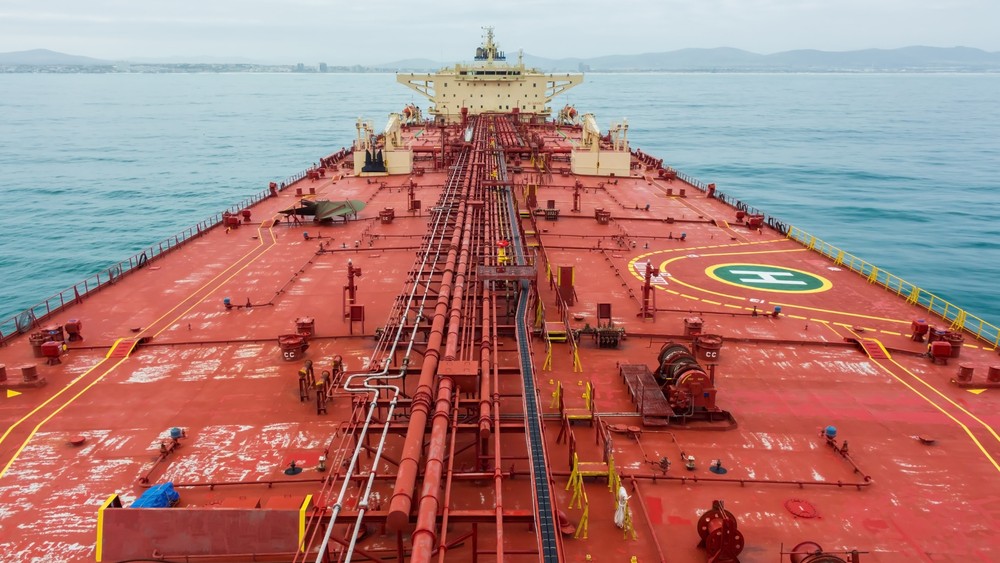
In a stark geopolitical paradox, Russia’s oil revenues are experiencing an unexpected surge, defying the comprehensive sanctions imposed by Western powers following its 2022 invasion of Ukraine. What was intended as a crippling blow to Moscow’s war machine has instead become a complex dance of global energy economics, where an acute worldwide energy crunch, amplified by escalating tensions in the Middle East, is inadvertently funneling billions back into the Kremlin’s coffers. This phenomenon not only underscores the intricate web of global energy interdependence but also raises profound questions about the efficacy and unintended consequences of economic warfare.
When the tanks rolled into Ukraine, a swift and decisive international response saw the United States, the European Union, and their allies implement unprecedented sanctions. The goal was clear: isolate Russia, cripple its financial system, and choke off its primary source of income – energy exports. Europe, historically heavily reliant on Russian gas and oil, embarked on an ambitious, albeit painful, journey to diversify its energy supply. Price caps were introduced, and a gradual embargo on Russian crude and refined products was enacted. Yet, two years on, the picture is far from what was envisioned. Russia has not only found new markets but is now capitalizing on a global energy deficit, selling its oil at discounted rates that are still proving highly lucrative due to sheer volume and rising global prices.
The Unintended Consequences of Sanctions and Global Demand
The initial wave of sanctions did indeed cause a sharp, albeit temporary, dip in Russian oil production and exports. However, the global energy market is not a static entity; it is a dynamic, interconnected system. As Western nations reduced their direct purchases, a vacuum was created, which was quickly filled by other major economies. India and China, in particular, emerged as voracious buyers of discounted Russian crude. These nations, driven by their own immense energy needs and a pragmatic approach to securing affordable supplies, have significantly ramped up their imports, often facilitated by a shadowy fleet of tankers and complex financial arrangements designed to circumvent Western restrictions.
This shift has been a game-changer for Moscow. The Urals crude, Russia's primary export blend, began trading at a significant discount to international benchmarks like Brent. While this discount was initially seen as a win for sanctions, the sheer volume of sales, coupled with a general increase in global oil prices driven by geopolitical instability and recovering post-pandemic demand, has more than compensated for the lower per-barrel price. Reports from the International Energy Agency (IEA) and various financial institutions indicate that Russia's monthly oil revenues have not only recovered but are, in some periods, surpassing pre-invasion levels. This financial resilience provides the Kremlin with the resources needed to sustain its military operations and maintain domestic stability, directly undermining the core objective of the sanctions regime.
Middle East Disruptions: A Catalyst for Russian Fortunes
The ongoing volatility in the Middle East has played a crucial, albeit indirect, role in Russia's oil resurgence. The region, a perennial source of global energy supply, has been plagued by renewed conflicts and geopolitical tensions, particularly in the Red Sea. Attacks on shipping lanes by Houthi rebels have forced many tankers to reroute, leading to longer transit times, increased insurance costs, and a tightening of global supply chains. This disruption, coupled with OPEC+ production cuts aimed at stabilizing prices, has pushed international oil benchmarks higher. As global prices rise, even discounted Russian oil becomes more valuable, further boosting Moscow's earnings.
Furthermore, the perceived risk to Middle Eastern supplies has made nations more anxious about energy security. For countries like India and China, securing consistent, affordable energy takes precedence, and Russia, despite the political baggage, remains a reliable, high-volume supplier. This dynamic creates a perverse incentive: the more unstable the traditional energy hubs become, the more attractive Russian oil, even with its ethical implications, appears to energy-hungry economies. This situation highlights the fundamental challenge of imposing sanctions on a major energy producer in a world still heavily reliant on fossil fuels.
The Geopolitical Chessboard: Shifting Alliances and Energy Realignment
The current energy landscape is not just about economics; it's a profound realignment of global power dynamics. Russia's successful pivot to Asian markets signifies a weakening of the West's ability to dictate global trade terms and a strengthening of alternative economic blocs. The BRICS+ alliance (Brazil, Russia, India, China, South Africa, and others) is increasingly becoming a counterweight to the G7, with energy trade forming a critical component of their burgeoning economic ties. This shift is not merely transactional; it reflects a broader geopolitical strategy by Russia and its partners to create a multipolar world order less susceptible to Western influence.
For Western policymakers, the situation presents a formidable dilemma. Tightening sanctions further risks alienating key developing economies that depend on Russian energy, potentially pushing them further into Moscow's orbit. Conversely, allowing the current situation to persist undermines the credibility of sanctions as a foreign policy tool and emboldens Russia. The challenge lies in finding a balance that can effectively constrain Russia without destabilizing global energy markets or alienating crucial international partners. This requires a nuanced approach that considers not just punitive measures but also long-term strategies for global energy transition and diplomatic engagement.
Looking Ahead: The Future of Energy and Sanctions
The current state of affairs suggests that Russia's oil revenues will likely remain robust as long as global demand remains high and alternative energy sources are insufficient to meet it. The world's scramble for supply, driven by economic growth and geopolitical uncertainties, provides a constant demand floor for Russian crude. The long-term implications are significant:
* Sustained Russian Capacity: Moscow gains financial latitude to continue its military aggression and resist Western pressure. * Weakened Sanctions Efficacy: The perceived failure of energy sanctions diminishes their deterrent effect in future conflicts. * Accelerated Energy Transition (Paradoxically): The volatility and ethical dilemmas associated with fossil fuels may spur faster investment in renewables, though this is a long-term prospect. * Emergence of New Trade Routes: The 'shadow fleet' and new payment mechanisms could become entrenched, challenging existing financial architectures.
The global energy market is undergoing a profound transformation, with Russia at its epicenter. The West's efforts to isolate Moscow have been complicated by the very forces of supply and demand, creating a complex and evolving geopolitical landscape. As the world grapples with energy security, climate change, and geopolitical rivalries, the story of Russia's oil windfall serves as a powerful reminder of the intricate and often unpredictable nature of international relations and global economics. The challenge for the international community is to navigate this new reality, seeking solutions that promote both peace and sustainable energy futures without inadvertently empowering those they seek to constrain.
Stay Informed
Get the world's most important stories delivered to your inbox.
No spam, unsubscribe anytime.
Comments
No comments yet. Be the first to share your thoughts!