Strait of Hormuz: Global Powers Plead with Iran Amid Escalating Transit Restrictions
The Strait of Hormuz, a critical chokepoint for global oil and gas supplies, is once again at the center of international tensions. Following Iran's implementation of increased navigation restrictions, numerous countries are reportedly making urgent appeals to Tehran to ensure the unimpeded flow of maritime traffic. This development underscores the precarious balance of power in the Persian Gulf and the far-reaching economic implications of any disruption.
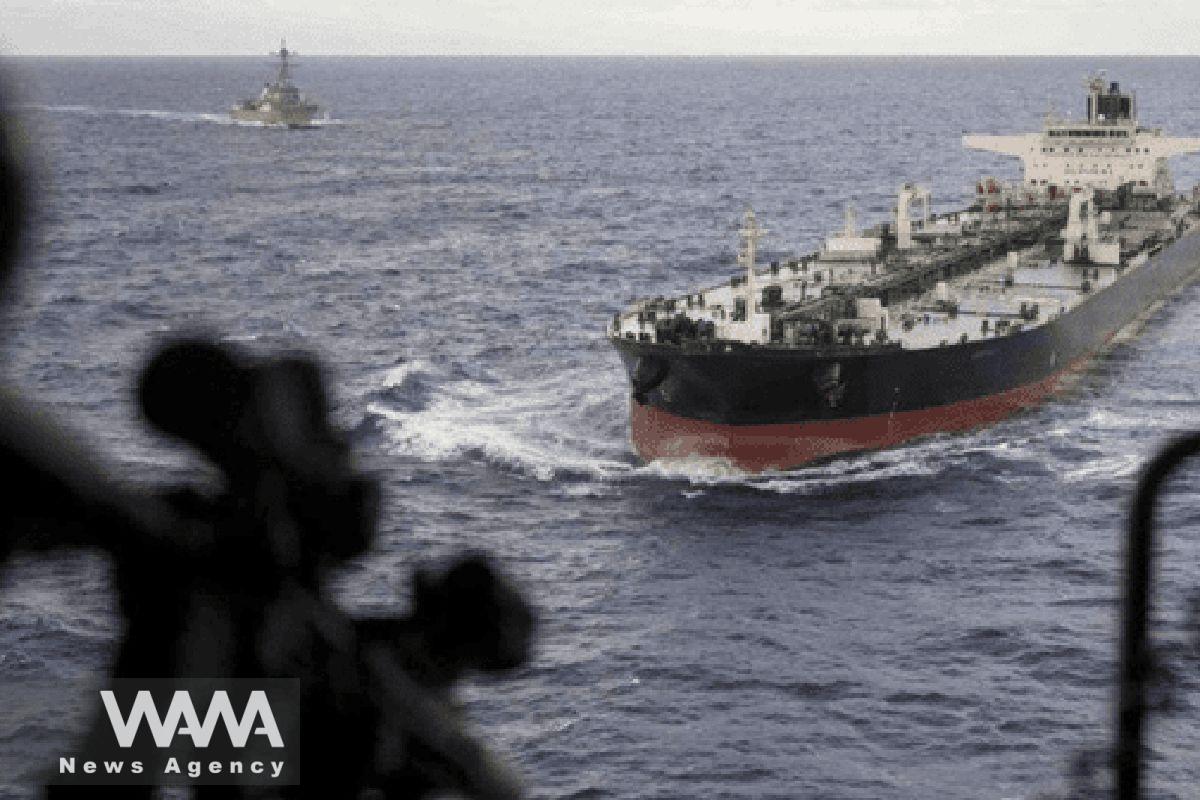
The shimmering waters of the Strait of Hormuz, a narrow yet profoundly vital artery connecting the Persian Gulf to the open ocean, are once again a focal point of global geopolitical anxiety. This maritime chokepoint, through which approximately one-fifth of the world’s total oil consumption and a significant portion of its liquefied natural gas (LNG) passes daily, has seen a surge in international diplomatic activity. According to Iran’s Deputy for Economic Diplomacy at the Ministry of Foreign Affairs, Mehdi Safari, an unprecedented number of countries are now making urgent appeals and sending repeated messages to Tehran, seeking assurances for the smooth transit of their vessels amidst new, unspecified navigation restrictions imposed by Iran.
This revelation, reported by WANA on May 2nd, highlights a delicate and potentially volatile situation. While the exact nature of these “increased restrictions” remains somewhat vague, their impact is clearly resonating across international capitals, signaling a heightened state of concern over the stability of global energy supplies and maritime trade routes. The Strait of Hormuz is not merely a geographical feature; it is a linchpin of the global economy, and any perceived threat to its navigability sends ripples through commodity markets and diplomatic channels worldwide.
A Chokepoint of Critical Importance
The Strait of Hormuz is a narrow, 39-kilometer-wide passage between Oman and Iran. Its strategic significance cannot be overstated. For decades, it has been a flashpoint, a testament to the volatile geopolitics of the Middle East. Tankers carrying crude oil and refined petroleum products from Saudi Arabia, Iran, Iraq, Kuwait, Qatar, and the UAE must traverse these waters to reach international markets. Any disruption here, whether due to military confrontation, piracy, or unilateral restrictions, has immediate and profound consequences for global energy prices and supply chains.
Historically, Iran has on several occasions threatened to close the Strait in response to international sanctions or perceived hostile actions. While such threats have rarely materialized into full blockades, even the hint of disruption is enough to trigger market panic and diplomatic scrambles. The current situation, with countries actively engaging Tehran, suggests that the recent Iranian measures are more than mere rhetoric; they are concrete enough to warrant significant international concern and proactive diplomatic engagement.
The Diplomatic Scramble: Who is Calling?
While Deputy Safari did not name the specific countries making these appeals, it is reasonable to infer that major energy consumers and trading nations would be at the forefront. This list likely includes Asian economic powerhouses like China, India, Japan, and South Korea, all heavily reliant on Middle Eastern oil and gas. European nations, though less dependent on Gulf oil than in previous decades, still rely on stable energy markets and global trade. The United States, with its strategic interests in global maritime security and its role as a guarantor of free navigation, would also be keenly observing and likely participating in these diplomatic efforts.
These calls are not merely polite inquiries; they represent a concerted effort to de-escalate potential tensions and ensure economic stability. The nature of these appeals – “repeated messages” and “urgent calls” – underscores the gravity of the situation. It suggests that the restrictions are either impinging directly on commercial shipping or are perceived as a precursor to more significant impediments, prompting pre-emptive diplomatic action.
Iran's Strategic Calculus and Economic Diplomacy
Iran's decision to implement these new restrictions, whatever their precise form, is likely rooted in a complex strategic calculus. From Tehran's perspective, controlling or asserting influence over the Strait of Hormuz is a powerful leverage point in its ongoing standoff with Western powers and regional rivals. It allows Iran to project strength, demand concessions, and remind the world of its pivotal role in global energy security.
Deputy Safari's role as Deputy for Economic Diplomacy is particularly telling. This framing suggests that the restrictions, while potentially disruptive, are also being utilized as a tool in Iran's broader economic strategy. It could be a means to push back against sanctions, to gain economic advantages in trade negotiations, or to signal a desire for greater engagement on its own terms. The fact that countries are calling Iran, rather than issuing condemnations, indicates a recognition of Iran's central role in managing this critical waterway and a desire to find a diplomatic resolution.
Implications for Global Trade and Energy Markets
The implications of heightened restrictions in the Strait of Hormuz are far-reaching. For global energy markets, even minor disruptions can lead to significant price volatility. Insurance premiums for vessels transiting the Strait could rise, increasing the cost of shipping and ultimately the price of oil and gas for consumers. Supply chain disruptions could extend beyond energy, affecting the movement of other goods to and from the region.
Furthermore, such actions contribute to an atmosphere of uncertainty and risk, deterring investment and potentially leading to a re-evaluation of global shipping routes and energy sourcing strategies. While rerouting around the Strait is technically possible (e.g., via pipelines or alternative shipping lanes), these options are often more costly, time-consuming, and have limited capacity, making the Strait of Hormuz irreplaceable for the vast majority of traffic.
A Precarious Balance and the Path Forward
The current situation in the Strait of Hormuz is a stark reminder of the delicate balance that underpins global stability. Iran's actions, whether intended as a bargaining chip or a genuine security measure, have clearly captured the attention of the international community. The flurry of diplomatic activity signifies a collective effort to prevent escalation and ensure the continued free flow of trade.
Moving forward, sustained diplomatic engagement will be crucial. The international community will likely seek clarity on the nature and duration of Iran's restrictions, while Iran will undoubtedly use this leverage to advance its own interests. The challenge lies in finding a mutually acceptable framework that respects Iran's sovereignty while upholding the principle of freedom of navigation, a cornerstone of international law and global economic prosperity. The Strait of Hormuz remains a barometer of regional tensions, and its calm waters are essential for the world's economic health.
Stay Informed
Get the world's most important stories delivered to your inbox.
No spam, unsubscribe anytime.
Comments
No comments yet. Be the first to share your thoughts!