Swastika Vandalism Shocks NYC: A Resurgence of Hate in Queens
New York City's Queens borough was rocked by a wave of antisemitic vandalism overnight, with swastikas defacing multiple synagogues and homes. Police are actively searching for at least four individuals responsible for these 'terrifying signals of hatred.' This incident sparks urgent conversations about rising antisemitism and the need for community solidarity against such acts of bigotry.
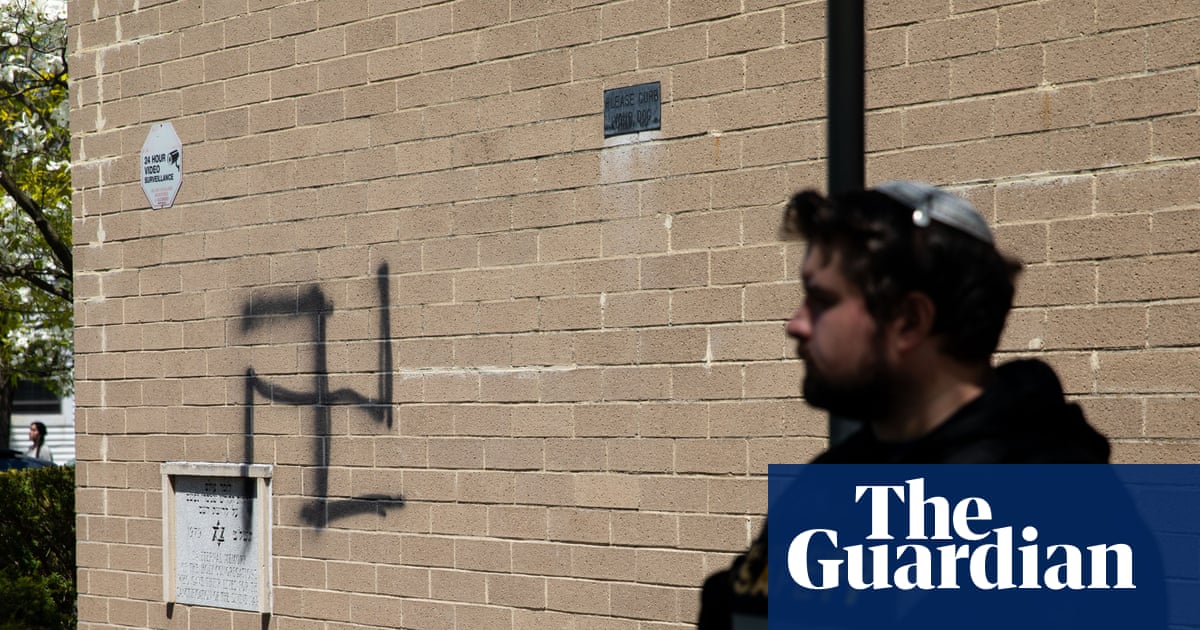
The dawn of Monday brought a chilling sight to several neighborhoods in Queens, New York City, as residents awoke to find their synagogues and homes desecrated with swastikas. This brazen act of antisemitic vandalism, described by city council speaker Julie Menin as 'terrifying signals of hatred and threats of violence,' has sent shockwaves through the community and ignited urgent calls for action against a disturbing resurgence of bigotry. Police are currently searching for at least four individuals believed to be responsible for these hateful acts, which serve as a stark reminder of the persistent threat of antisemitism.
A Community Under Attack: Details of the Vandalism
The incidents, which occurred overnight on Monday, targeted multiple locations across Queens. While specific addresses have not been fully disclosed to protect victims' privacy, reports confirm that several Jewish houses of worship and private residences were defaced with the hateful symbol of the swastika. City Council members, including Lynn Schulman and Phil W., quickly condemned the acts, emphasizing the profound impact on the affected communities. The swift and unified response from local leadership underscores the gravity of the situation, highlighting that such acts are not merely property damage but direct assaults on the identity and safety of Jewish residents. The NYPD's Hate Crimes Task Force has launched a full investigation, utilizing surveillance footage and community tips to identify and apprehend the perpetrators. The psychological toll on those who woke up to find their sacred spaces and homes marked with such a symbol of genocide is immeasurable, fostering fear and a sense of vulnerability that permeates beyond the immediate victims.
The Echoes of History: Understanding the Swastika's Weight
The swastika, a symbol once associated with good fortune in various ancient cultures, was irrevocably perverted by Nazi Germany, becoming the emblem of one of history's most horrific genocides. Its appearance today, particularly in Jewish communities, is not merely an act of vandalism; it is a direct invocation of historical trauma, a threat, and a declaration of hate. For survivors of the Holocaust and their descendants, seeing this symbol is a painful reminder of unimaginable suffering and loss. For younger generations, it represents a tangible manifestation of the antisemitism they have learned about in history books, now appearing on their doorsteps. The choice of the swastika is deliberate, designed to inflict maximum psychological distress and to intimidate. It taps into a deep well of collective memory, signaling a desire to erase or harm a community that has endured centuries of persecution. Understanding this historical context is crucial to grasping the profound impact of these acts and why they elicit such a strong, visceral reaction from Jewish communities and their allies.
Rising Tides of Antisemitism: A Global and Local Concern
These incidents in Queens are not isolated. They occur within a broader context of a documented rise in antisemitic incidents both globally and within the United States. Data from organizations like the Anti-Defamation League (ADL) consistently show an alarming increase in antisemitic acts, ranging from verbal harassment and online hate speech to physical assaults and synagogue desecrations. In 2023, the ADL reported a record high in antisemitic incidents across the U.S., a trend exacerbated by geopolitical events and the spread of misinformation. New York City, with its large and diverse Jewish population, has unfortunately been a frequent target. The rise of extremist ideologies, fueled by social media and political polarization, has created an environment where such hateful acts feel emboldened. This current wave of vandalism serves as a stark local manifestation of a global problem, demanding a comprehensive and multi-faceted response that addresses both the immediate perpetrators and the underlying currents of hate.
Expert Analysis and Implications for Society
Sociologists and experts on hate crimes emphasize that acts of vandalism, while sometimes dismissed as minor, are often precursors to more severe forms of violence. They serve to normalize hate, test community resilience, and create an atmosphere of fear. The targeting of both synagogues and private homes suggests a deliberate attempt to terrorize individuals within their most sacred and private spaces. The implications extend beyond the Jewish community; such acts undermine the fabric of a diverse society, threatening the safety and sense of belonging for all minority groups. When one community is targeted with such virulent hate, it sends a message that no community is truly safe. This incident also highlights the critical role of law enforcement in swiftly identifying and prosecuting perpetrators, not only to deliver justice but also to send a clear message that such behavior will not be tolerated. Furthermore, it underscores the importance of education in combating ignorance and prejudice, fostering empathy, and promoting interfaith dialogue as crucial tools in building resilient and inclusive communities.
Community Response and the Path Forward
The response from the Queens community and New York City at large has been one of unequivocal condemnation and solidarity. Interfaith leaders, elected officials, and community activists have rallied together, organizing vigils and expressing support for the affected Jewish residents. This collective outpouring of support is vital, serving as a powerful counter-narrative to the perpetrators' message of hate. However, condemnation alone is not enough. The path forward requires a multi-pronged approach: robust law enforcement efforts to bring offenders to justice; enhanced security measures for vulnerable institutions; comprehensive educational programs in schools and communities to combat antisemitism and all forms of bigotry; and ongoing interfaith dialogue to build bridges of understanding and mutual respect. As New York City grapples with this latest act of hatred, the incident serves as a poignant reminder that vigilance, education, and unwavering solidarity are essential in the ongoing fight against antisemitism and for the preservation of a truly inclusive society. The resilience of the human spirit, coupled with determined collective action, remains the strongest defense against the forces of division and hate.
These incidents are a test of our collective values. The response must be firm, unified, and sustained, ensuring that New York City remains a beacon of diversity and tolerance, where no community lives in fear. The search for the perpetrators continues, but the larger work of confronting and dismantling the roots of hate is a continuous endeavor for all of us.
Stay Informed
Get the world's most important stories delivered to your inbox.
No spam, unsubscribe anytime.
Comments
No comments yet. Be the first to share your thoughts!