Trump's 'Call Us' Stance: The High-Stakes Chess Game Between Washington and Tehran
US President Donald Trump has drawn a firm line in the sand regarding potential talks with Iran, stating American officials will not travel for negotiations. This 'call us' approach signals a tough stance, pushing Iran to initiate contact on Washington's terms. The move comes amid heightened tensions and complex diplomatic maneuvers, raising questions about the future of US-Iran relations and regional stability.
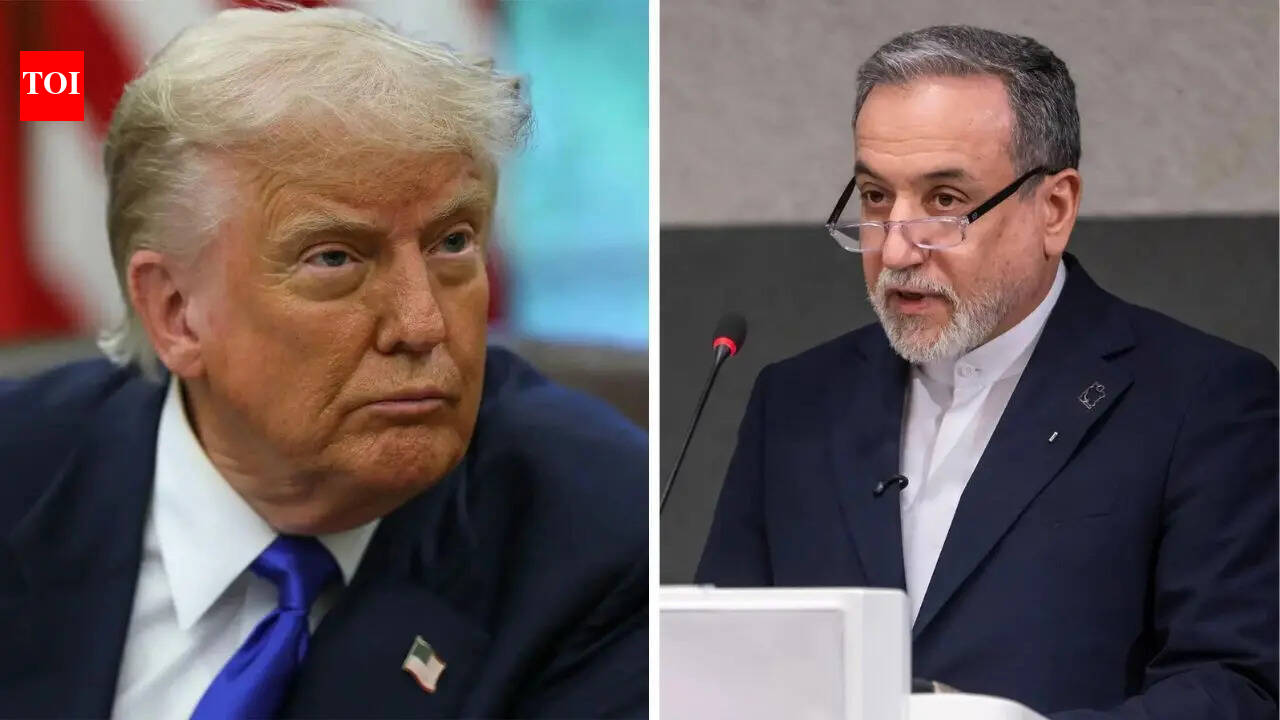
The diplomatic chessboard between Washington and Tehran has seen countless intricate moves over the decades, but rarely has a piece been placed with such blunt force as US President Donald Trump's recent declaration. On Sunday, Trump unequivocally stated that American officials would not travel for truce talks with Iran, insisting that any discussions would either occur remotely or require Iranian representatives to come to the United States. “If they wanna talk, they can come to us or they can call,” Trump declared, effectively placing the onus for dialogue squarely on Iran’s shoulders. This hardline stance is not merely a procedural preference; it is a significant strategic gambit, designed to project strength and dictate the terms of engagement in a relationship fraught with historical animosity and contemporary flashpoints.
This pronouncement arrived as Iranian Deputy Foreign Minister Abbas Araghchi was reportedly returning to Pakistan, a nation often seen as a potential intermediary in regional disputes. The timing underscores the complexity of the current geopolitical landscape, where back-channel communications and public posturing often coexist. Trump's position signals a deliberate shift from previous administrations' more accommodating approaches, reflecting a 'maximum pressure' campaign that extends beyond economic sanctions to the very modalities of diplomatic interaction. The implications of this posture are far-reaching, affecting not only the immediate prospects for de-escalation but also the long-term trajectory of Middle Eastern stability.
The Roots of Distrust: A Brief History of US-Iran Relations
To understand the current impasse, one must delve into the deep well of distrust that characterizes US-Iran relations. The narrative is often traced back to the 1979 Islamic Revolution, which overthrew the US-backed Shah and installed an anti-Western clerical regime. The subsequent hostage crisis at the US embassy in Tehran cemented a legacy of animosity. Decades of proxy conflicts, sanctions, and accusations of state-sponsored terrorism have further entrenched this mutual suspicion. The 2015 Joint Comprehensive Plan of Action (JCPOA), or Iran nuclear deal, offered a brief respite, but even that was short-lived. Trump's unilateral withdrawal from the JCPOA in 2018, labeling it the "worst deal ever," reignited tensions and set the stage for the current 'maximum pressure' policy. This historical baggage means that any call for dialogue, no matter how framed, is viewed through a lens of profound skepticism on both sides. Iran views US demands as an attempt to undermine its sovereignty and regional influence, while the US sees Iran as a destabilizing force.
'Maximum Pressure' and its Diplomatic Dimensions
President Trump's 'maximum pressure' campaign against Iran has been multifaceted, primarily focusing on crippling economic sanctions aimed at forcing Tehran to renegotiate a more comprehensive deal. This economic squeeze has severely impacted Iran's oil exports and financial system, leading to significant domestic unrest and economic hardship. However, the campaign also has a crucial diplomatic dimension, as evidenced by Trump's latest remarks. By refusing to travel for talks, the US is essentially demanding a concession from Iran even before negotiations begin. This strategy aims to portray Iran as the supplicant, eager for relief from sanctions, and thus willing to compromise on Washington's terms. The underlying assumption is that Iran's economic woes will eventually compel it to seek dialogue, and when it does, it will have to do so on American soil or via American-dictated channels.
This approach, while assertive, carries inherent risks. Critics argue that it could be counterproductive, hardening Iran's resolve and pushing it further towards non-compliance with international norms, or even towards escalating regional provocations. There's a fine line between applying pressure and cornering an adversary, potentially leading to unintended consequences. The 'maximum pressure' strategy has been accompanied by a significant military buildup in the Persian Gulf, including the deployment of additional troops and naval assets, further increasing the risk of miscalculation. The question remains: will this strategy ultimately bring Iran to the negotiating table on US terms, or will it simply deepen the chasm between the two nations?
Regional Repercussions and the Role of Intermediaries
The US-Iran standoff has profound implications for the entire Middle East. Regional allies of the US, such as Saudi Arabia and Israel, largely support a tough stance against Iran, viewing it as their primary adversary. Conversely, Iran's allies and proxies, from Hezbollah in Lebanon to Houthi rebels in Yemen, are deeply intertwined in regional conflicts, making any escalation between Washington and Tehran a potential trigger for wider instability. The Strait of Hormuz, a critical chokepoint for global oil supplies, remains a volatile flashpoint, with past incidents involving tanker attacks and drone shoot-downs underscoring the fragility of the status quo.
In this highly charged environment, the role of intermediaries becomes crucial. Nations like Pakistan, Oman, Switzerland, and even Japan have historically attempted to bridge the communication gap between the US and Iran. Araghchi's reported return to Pakistan suggests that such back-channel efforts are ongoing, even as public rhetoric remains confrontational. These intermediaries often serve as vital conduits for conveying messages, testing diplomatic waters, and exploring potential de-escalation pathways without either side losing face. However, Trump's public dismissal of traveling for talks complicates these efforts, as it sets a very high bar for any third-party-facilitated meeting, effectively demanding that any such meeting be on US terms or at least initiated by Iran.
The Path Forward: Diplomacy on Whose Terms?
President Trump's 'call us' declaration is a clear signal that the US is not currently willing to make the first overt diplomatic move. It places the onus squarely on Iran to demonstrate its willingness to engage on Washington's terms. This strategy is rooted in the belief that Iran, facing severe economic pressure, will eventually buckle and seek dialogue. However, Iran's leadership, particularly the Supreme Leader Ali Khamenei, has consistently rejected direct talks under duress, viewing it as a sign of weakness and a betrayal of revolutionary principles. They have often demanded that the US first return to the JCPOA and lift sanctions as a precondition for any meaningful negotiations.
This creates a classic diplomatic stalemate: two powerful nations, each demanding the other make the first significant concession. The danger lies in the potential for this stalemate to escalate into conflict, either through miscalculation or deliberate provocation. While the immediate prospect of high-level, face-to-face talks appears dim, the possibility of indirect or back-channel communications remains. The ultimate resolution will likely require a creative diplomatic solution that allows both sides to save face, perhaps involving a phased approach to de-escalation and a gradual easing of sanctions in exchange for verifiable commitments from Iran. Until then, the world watches with bated breath as this high-stakes chess game continues, with regional stability hanging precariously in the balance. The question isn't just if they will talk, but how, and more importantly, on whose terms will that conversation finally take place.
Stay Informed
Get the world's most important stories delivered to your inbox.
No spam, unsubscribe anytime.
Comments
No comments yet. Be the first to share your thoughts!