US Escalates Economic Warfare: Sanctions Target China's 'Teapot' Refinery and Global Shipping in Iran Oil Crackdown
The United States has significantly intensified its pressure on Iran's oil trade, imposing sweeping new sanctions on a major China-based oil refinery and approximately 40 shipping companies and tankers. This aggressive move aims to choke Tehran's primary revenue stream, marking a critical escalation in Washington's economic campaign. The sanctions highlight the complex geopolitical dynamics involving the US, China, and Iran, raising questions about global energy markets and international relations. Experts warn of potential ripple effects across the shipping industry and diplomatic ties.
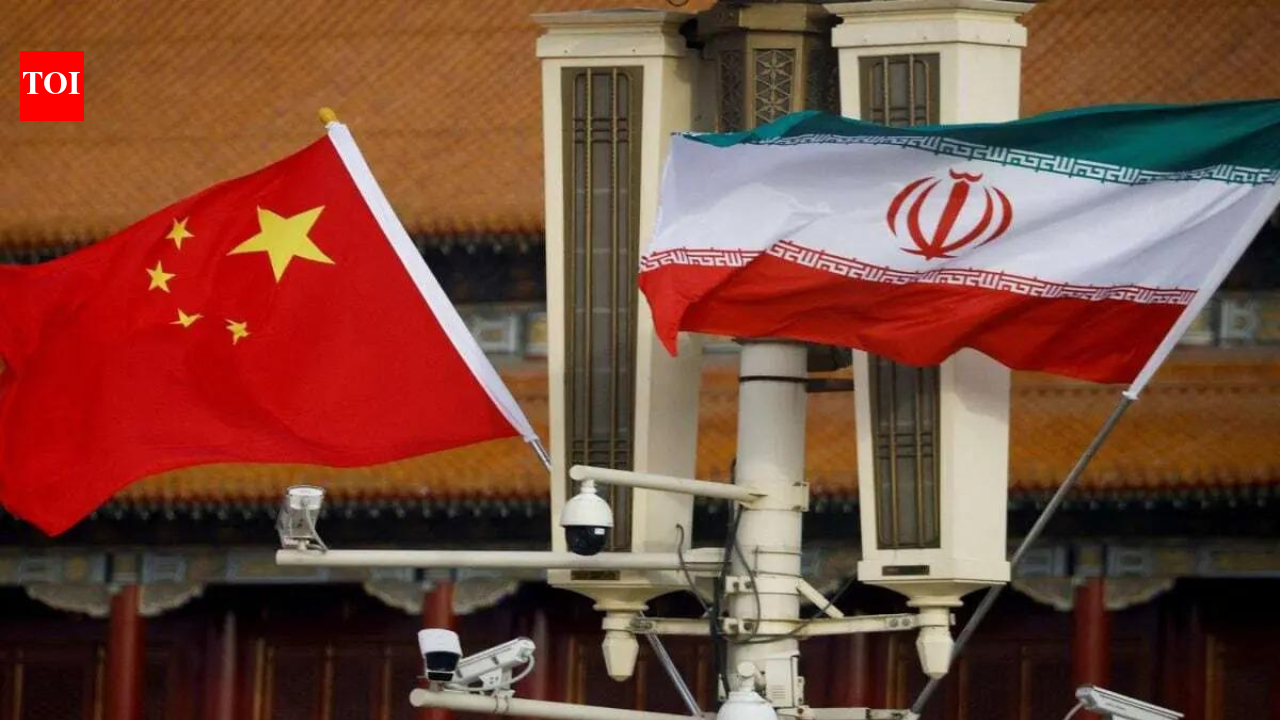
In a dramatic escalation of its long-standing campaign to cripple Iran's oil revenue, the United States has unveiled a fresh wave of sanctions targeting a prominent China-based oil refinery and an extensive network of around 40 shipping companies and tankers. This assertive maneuver, announced by the Treasury Department, underscores Washington's unwavering commitment to tightening the economic noose around Tehran, even as it risks further straining already delicate relations with Beijing and disrupting global energy flows. The 'economic fury,' as some analysts have termed it, is designed to sever Iran's access to international markets for its crude, a lifeline for the Islamic Republic's economy.
This latest action is not merely a continuation of existing policy; it represents a significant broadening of scope, directly implicating entities in a major economic power like China. The targeted refinery, often referred to as a 'teapot' refinery due to its independent status and smaller scale compared to state-owned giants, plays a crucial role in processing Iranian crude. By sanctioning such a facility, the US is sending an unequivocal message that it will pursue any entity, regardless of its location, found to be facilitating Iran's illicit oil trade. The sheer number of shipping entities – including vessels, owners, and operators – caught in this dragnet illustrates the comprehensive nature of the US strategy, aiming to make the transport of Iranian oil virtually impossible without severe financial repercussions.
The Anatomy of Sanctions: A Deep Dive into US Strategy
The US Treasury Department's Office of Foreign Assets Control (OFAC) is the primary architect and enforcer of these sanctions. Their strategy is multifaceted, employing a combination of primary and secondary sanctions. Primary sanctions directly target US persons and entities, prohibiting them from engaging in transactions with designated individuals or organizations. Secondary sanctions, however, are far more potent and controversial, as they target non-US persons and entities for engaging in certain activities with sanctioned countries or individuals, even if those activities do not involve the US financial system directly. This extraterritorial reach is what gives US sanctions their formidable power, forcing international actors to choose between doing business with Iran or doing business with the US and its allies.
The current round of sanctions leverages this secondary sanctions framework to its fullest extent. By designating a Chinese refinery and numerous international shipping companies, the US is effectively threatening to cut them off from the global financial system, including access to dollar-denominated transactions, if they continue to facilitate Iranian oil exports. This creates an immense compliance burden and financial risk for businesses worldwide, often leading them to self-sanction and cease dealings with Iran entirely. The Iran Freedom and Counter-Proliferation Act of 2012 and subsequent executive orders provide the legal basis for many of these measures, specifically targeting sectors like energy, shipping, and financial services that support Iran's nuclear and ballistic missile programs or its support for terrorism.
Historical Context: A Decades-Long Economic Battle
The US-Iran economic standoff is not a recent phenomenon; it is a saga stretching back decades, intensifying significantly after the 1979 Islamic Revolution. Sanctions have been a cornerstone of US foreign policy towards Iran, evolving through various administrations with different objectives: from pressuring Iran on human rights to preventing nuclear proliferation and curbing regional destabilization. The Joint Comprehensive Plan of Action (JCPOA), or the Iran nuclear deal, signed in 2015, offered a temporary reprieve, lifting many international sanctions in exchange for limitations on Iran's nuclear program. However, the US withdrawal from the JCPOA in 2018 under the Trump administration marked a return to a 'maximum pressure' campaign, reinstating and expanding sanctions to unprecedented levels.
This historical trajectory demonstrates a consistent US reliance on economic tools to achieve geopolitical aims with Iran. The current administration, while initially signaling a willingness to return to negotiations, has maintained and even intensified the pressure, indicating a belief that sanctions remain the most effective lever. The designation of a Chinese entity, however, adds a new layer of complexity, reminiscent of past tensions over Chinese companies violating US sanctions against North Korea or Russia. It signals a willingness to confront even major economic partners if their actions are perceived as undermining US foreign policy objectives.
Geopolitical Ripples: China, Iran, and Global Energy Markets
The implications of these sanctions extend far beyond the immediate targets. For China, a major consumer of Iranian oil, these measures present a significant dilemma. While China has historically been a key buyer of Iranian crude, often at discounted prices, the risk of secondary sanctions on its state-owned enterprises or financial institutions could force a re-evaluation. Beijing has consistently opposed unilateral sanctions, viewing them as an infringement on national sovereignty and international law. This latest move could exacerbate trade tensions and diplomatic friction between the US and China, adding another contentious issue to an already crowded agenda that includes Taiwan, trade imbalances, and human rights.
For Iran, the sanctions represent a severe blow to its already struggling economy. Oil exports are the lifeblood of the Iranian state, financing everything from public services to military endeavors. While Iran has developed sophisticated methods to circumvent sanctions – including ship-to-ship transfers, falsifying documents, and using opaque financial networks – the sheer scale and specificity of these new designations will make evasion significantly harder and more costly. The economic pressure could trigger further domestic unrest or, conversely, harden the regime's resolve, leading to a more confrontational stance in the region. The global energy market, already volatile due to geopolitical tensions and supply chain disruptions, could also see minor tremors, though Iran's share of the global oil market has diminished under sanctions.
The Path Forward: Diplomacy or Further Confrontation?
The latest sanctions raise critical questions about the future trajectory of US-Iran relations and the broader geopolitical landscape. Is this a prelude to renewed diplomatic efforts, with the US aiming to strengthen its bargaining position, or does it signal a deepening commitment to a strategy of economic attrition? The effectiveness of sanctions as a standalone tool is often debated; while they undoubtedly inflict economic pain, their ability to fundamentally alter a regime's behavior is less clear-cut. History shows that deeply entrenched regimes often prioritize ideological goals over economic well-being, or find alternative means of survival.
Moving forward, the international community will be closely watching for reactions from Beijing, Tehran, and other major players. Will China defy the sanctions, risking further US retaliation, or will it scale back its Iranian oil imports? How will Iran respond to this intensified pressure – through further regional provocations, or a renewed willingness to engage in dialogue? The answers to these questions will shape not only the future of the Iranian nuclear program but also the delicate balance of power in the Middle East and the intricate web of global trade and diplomacy. The 'economic fury' unleashed by Washington is a high-stakes gamble, the ultimate outcome of which remains uncertain, but its immediate impact is a stark reminder of the enduring power of economic statecraft in the 21st century.
Stay Informed
Get the world's most important stories delivered to your inbox.
No spam, unsubscribe anytime.
Comments
No comments yet. Be the first to share your thoughts!